Most prisoners never receive visitors, and this puts them at a higher risk of reoffending
- Written by: Nicole Ryan, Associate Lecturer of Criminology, La Trobe University
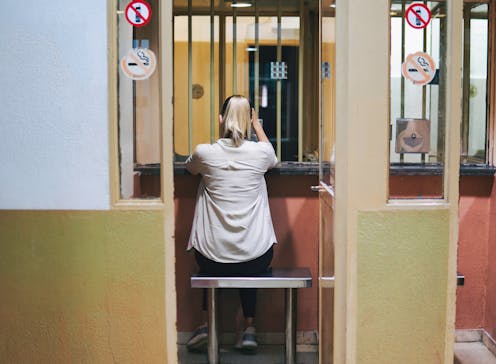
It was like walking through the gates of hell.
That’s what one visitor to a prison told us about their experience. It can be a traumatic and stressful event. Family members of first-time prisoners are most often left in a state of uncertainty about what happens next. This is coupled with the feelings of loss, devastation, and disbelief, as explained by one participant in our research[1]:
It was a smack in the face. I was not expecting it at all […] I was pretty devastated and felt pretty alone and vulnerable. I had no idea what went wrong.
We found misinformation and limited information of visitation rules and processes help create such negative experiences for visitors. Some stopped going altogether.
This is important to address because visitation is a crucial factor in helping prevent reoffending, but also to maintaining good mental health for those behind bars.
Visits crucial for prisoners
In 2021 and 2022, our research team conducted in-depth interviews with 21 participants from across Australia about the barriers to prison visitation and what their visiting experiences were like.
We wanted to investigate this because of the high rates of recidivism among Australian prisoners. Visitation has been shown to help with this.
42.7% of prisoners[2] in Australia are reincarcerated within two years.
We also know that prison visitation has been found to reduce prisoners’ risk[3] of reincarceration by 26%. Despite this, most prisoners[4] never get any visitors.
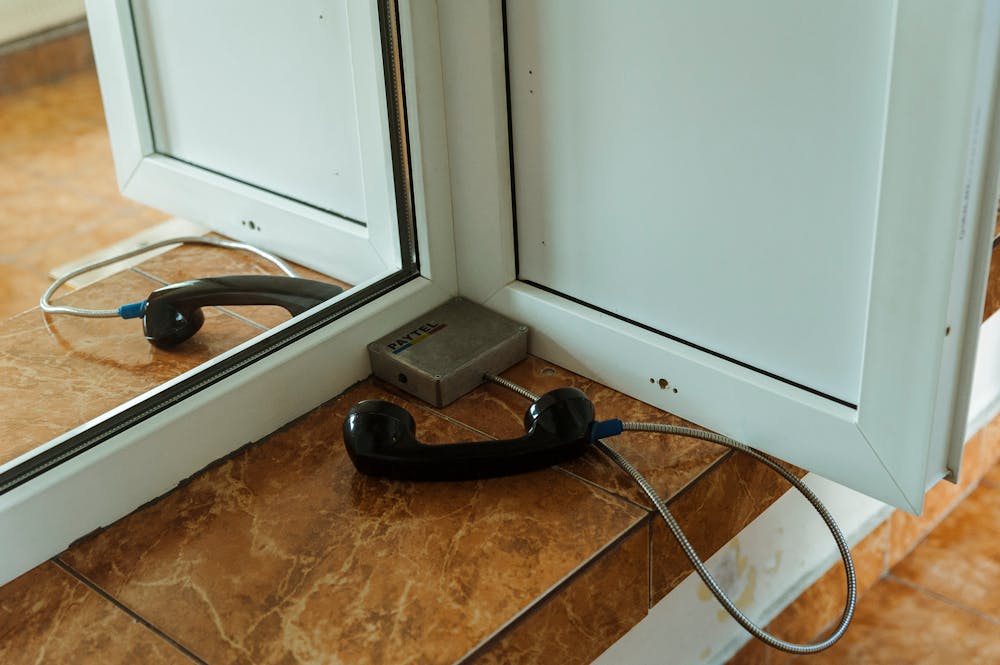
Having visitors while in jail has other benefits too. For one, it helps prisoners to conform to prison life[6].
It also reduces prison violence[7], mental health problems[8], suicidal tendencies[9] and misbehaviour[10].
Additionally, visitation helps prisoners maintain prosocial roles[11] (like being a parent) and build optimism[12] for life once they’re released.
We wanted to understand why prison visits might be prevented or delayed. As such, we looked at how people new to prison visitation learn to navigate the system.
Read more: New report reveals shocking state of prisoner health. Here's what needs to be done[13]
Information confusing and hard to find
We found[14] visitation rules and procedures can differ between jurisdictions and within jurisdictions. They can also be different between low, medium, and maximum prisons, and even between public and private prisons.
Furthermore, prisoners are transferred between prisons an average of three times during their sentence. Therefore, visitors may need to learn new rules each transfer.
Being new to the visitation process, most participants expressed feeling lost, overwhelmed, mentally fatigued, helpless and alone, desperate for any information. One participant told us:
I’ve never had anything to do with any of this before [he] went to prison. I knew nothing about police, courts, prisons or anything. When [he] went in I was a mess because no one told me anything […] I think it was maybe day three or four of him being in there and I had the worst nightmare I’ve ever had about stuff, you know, happening to him in there and him being killed. Yeah, after that it was a downward spiral for me pretty fast […]
Even before visitors needed to learn the rules and procedures, participants suffered stress from social isolation, financial hardship, the loss of their loved one and media coverage due to the court case.
Read more: ‘They weren’t there when I needed them’: we asked former prisoners what happens when support services fail[15]
Chronic stress can lead to structural changes in the part of the brain responsible for memory and decision making. Additionally, chronic stress can impair a person’s cognitive flexibility, hindering their ability to adapt to change and find information. This is a normal response when people find themselves in uncertain situations.
Furthermore, chronic stress can precipitate or exacerbate mental health problems[16], as well as increase feelings of helplessness and/or hopelessness. This can negatively impact a person’s ability to concentrate and learn new information.
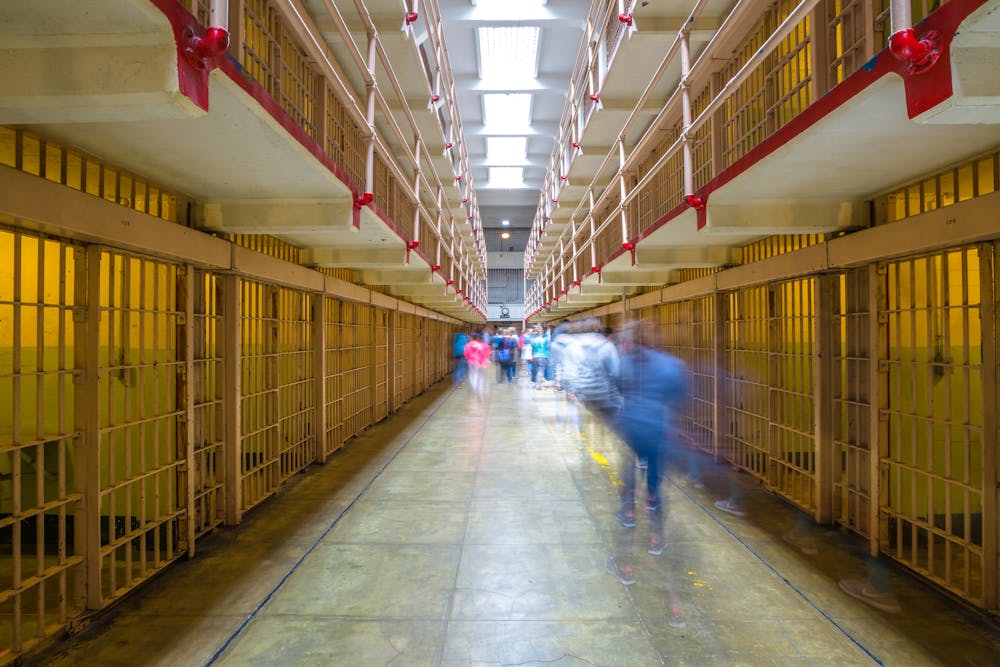 A large portion of prisoners in Australia reoffend after being released.
Shutterstock[17]
A large portion of prisoners in Australia reoffend after being released.
Shutterstock[17]
Most participants described their efforts to get the right information as confusing. Important details that had a direct impact on whether their visit was approved, cancellations, or traumatic visitation experience were omitted from the website or the phone conversations they had with corrections officers. A participant said:
There was no information about him needing to put me on the approved visitor list and that I would not be approved until he did this.
Another was deterred from visiting altogether:
I quickly learned not to bother […] you get in trouble when you go visit because you don’t have something you need, or you have worn inappropriate clothing because you got wrong information from them.
Almost all participants expressed distrust in the available information from prisons due to their negative experiences. Instead, they rely on advice provided by strangers on social media support groups specifically set-up for families of prisoners.
Small changes for a big difference
To improve prison visitors’ access to reliable and correct information, and ensure they are adequately supported during this stressful period, our participants made these recommendations:
a visitation liaison person in the court to provide advice and support after sentencing
a visitation information support pack that can be provided to family members immediately after sentencing (if in court) or by post
a short demonstration video of the visitation procedure online
corrections/prisons to share information with the online support groups to allow them to quickly communicate changes to visitation rules and procedures, as well as any unplanned changes to visitation hours.
These recommendations have merit and could help to increase the number and frequency of prisoners being visited, as well as help to reduce stress among visitors.
Read more: Giving ex-prisoners public housing cuts crime and re-incarceration – and saves money[18]
References
- ^ our research (dx.doi.org)
- ^ 42.7% of prisoners (www.sentencingcouncil.vic.gov.au)
- ^ reduce prisoners’ risk (doi.org)
- ^ most prisoners (dx.doi.org)
- ^ Shutterstock (www.shutterstock.com)
- ^ conform to prison life (doi.org)
- ^ prison violence (doi.org)
- ^ mental health problems (doi.org)
- ^ suicidal tendencies (doi.org)
- ^ misbehaviour (doi.org)
- ^ maintain prosocial roles (doi.org)
- ^ build optimism (doi.org)
- ^ New report reveals shocking state of prisoner health. Here's what needs to be done (theconversation.com)
- ^ We found (dx.doi.org)
- ^ ‘They weren’t there when I needed them’: we asked former prisoners what happens when support services fail (theconversation.com)
- ^ mental health problems (dx.doi.org)
- ^ Shutterstock (www.shutterstock.com)
- ^ Giving ex-prisoners public housing cuts crime and re-incarceration – and saves money (theconversation.com)