Can Iran avoid a political crisis after its president’s death?
- Written by: Ali Mamouri, Research fellow, Middle East studies, Deakin University
The death of President Ebrahim Raisi[1] in a helicopter crash this week occurred during one of the Islamic Republic of Iran’s most challenging periods.
Raisi, a prominent figure in the political elite, held substantial sway over Iran’s domestic policies. He was also central to Iran’s recent moves to improve relations with its rivals in the region.
Given his sizeable influence, what will his absence mean for the country’s domestic affairs? And how will it impact the country’s relations in the region?
Maintaining stability at a perilous time
Raisi’s government was very conservative and had a close relationship to the Supreme Leader, Ayatollah Ali Khamenei. There were almost no conflicts or disagreements between the two sides, which contrasts with previous governments, most of which had some distance or tension with the leader.
Raisi was also considered one of the leading candidates to succeed[2] the 85-year-old Khamenei, who has held the office of Supreme Leader for 35 years. His broad influence within the country’s conservative circles made him a significant figure in shaping the future of Iran’s leadership.
However, his death, which occurred a year before the conclusion of his second term, came amid a backdrop of domestic, regional and international challenges.
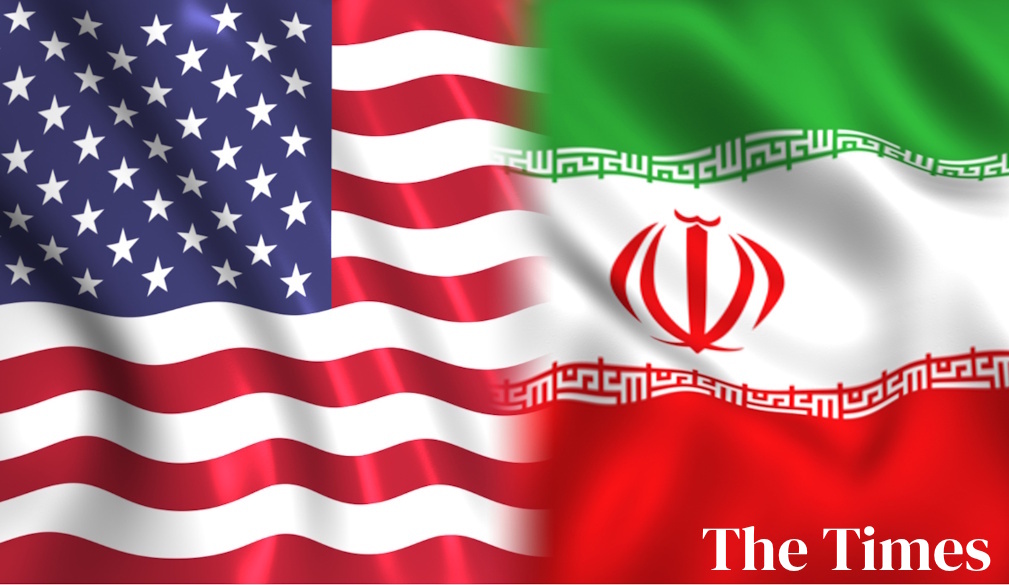
Iran remains under severe sanctions[3] imposed by the United States for its nuclear program, which have caused significant damage to the economy and had a profound impact on people’s lives.
The country also witnessed one of the most significant protest movements[4] in its history over the death of 22-year-old Mahsa Amini in September 2022, following her arrest by the morality police.
There have been local protests in different parts of the country as well, mostly over the economic crisis and some of the government’s domestic policies.
Moreover, parliamentary elections in March of this year saw one of the lowest voter turnout rates[5] in the country’s history. As a result, the holding of new elections, which is mandated within 50 days of Raisi’s death, poses a significant challenge for the regime at a time when its public legitimacy is at its lowest.
In addition, the recent escalation in the ongoing shadow war with Israel has presented serious security concerns and given rise to a host of conspiracy theories. Rumours have gained traction[6] with the public suggesting the president’s helicopter crash was the result of electronic warfare, a drone attack or even a ground assault by Israel. (The IRNA state news agency said the crash was due to a “technical failure”.)
Despite these challenges, however, the transfer of power is unlikely to significantly impact the country’s stability due to the nature of power dynamics in Iran. The Iranian political system consists of multiple interconnected circles under the guidance of the Supreme Leader. Losing one main player would not cause a major disruption when there are several others ready to fill the void.
Vice President Mohammad Mokhber has stepped in as acting president until new elections are held. It is expected the conservative inner circle close to the Supreme Leader will select its preferred candidate for the poll, aiming for a smooth transition with minimal challenges. As Khamenei posted[7] on X:
The nation doesn’t need to be worried or anxious, as the administration of the country will not be disrupted.
However, a historical analysis of leadership in the Islamic Republic suggests a recurring pattern of power shifting between conservatives and reformists, which creates a sense of balance in Iranian politics and boosts the regime’s public legitimacy.
Hence, even though Raisi’s successor will be nominated and supported by a conservative inner circle, he may embody somewhat of a moderate stance. Figures like the current parliament speaker, Mohammad Bagher Ghalibaf, or former speaker Ali Larijani, who are both moderate conservatives, fit this description.
What will it mean for Iran’s neighbours?
During his tenure, Raisi shifted the country’s foreign policy more towards the Middle East, making it the top priority. This marked a departure from his predecessor, Hassan Rouhani, who had prioritised strengthening relationships with European countries and normalising ties with other Western nations.
During Raisi’s presidency, for instance, Iraq hosted five rounds of negotiations between Iran and Saudi Arabia, culminating in the historic normalisation of relations between the two in early 2023[8].
As a former advisor of strategic communication to the then-Iraqi prime minister, it became evident to me that Iran was earnest about forging a strategic, long-term, robust relationship with its neighbours.
The outcome of these negotiations marked the end of a lengthy civil war in Yemen, facilitated the normalisation[9] of Arab countries’ relations with Syria, and contributed to enhanced stability in Iraq.
Additionally, Iran has recently engaged in substantial negotiations[10] with Jordan and Egypt, facilitated again by Iraq. These initiatives offered a chance to move past the sectarian conflicts that have long dominated the region and lay the groundwork for greater cooperation.
Iran also grew closer with both China and Russia also during Raisi’s presidency, reflecting a strategic, long-term pivot[11] towards the East endorsed by the Supreme Leader. However, Iran also continued negotiations with Western powers over its nuclear program, employing different tactics compared to Rouhani’s tenure.
Read more: Why the potential for another Donald Trump presidency is making Iran very nervous[12]
Iran’s foreign policy looks likely to remain the same under a new president. The appointment of Ali Bagheri Kani[13] as acting foreign minister following the helicopter crash (which also claimed the life of the current foreign minister) reinforces this continuity. Kani, who played a key role in leading the nuclear negotiations under Raisi, aligns with the country’s established foreign policy direction.
In addition, Iran’s closer relations with its neighbours signals a more permanent shift away from isolation. This will likely continue to improve in the short term.
References
- ^ death of President Ebrahim Raisi (theconversation.com)
- ^ leading candidates to succeed (www.wsj.com)
- ^ severe sanctions (www.state.gov)
- ^ most significant protest movements (www.hrw.org)
- ^ lowest voter turnout rates (www.bbc.com)
- ^ Rumours have gained traction (www.tabnak.ir)
- ^ posted (www.wsj.com)
- ^ normalisation of relations between the two in early 2023 (www.al-monitor.com)
- ^ normalisation (arabcenterdc.org)
- ^ substantial negotiations (arabcenterdc.org)
- ^ pivot (www.mei.edu)
- ^ Why the potential for another Donald Trump presidency is making Iran very nervous (theconversation.com)
- ^ Ali Bagheri Kani (www.reuters.com)
Read more https://theconversation.com/can-iran-avoid-a-political-crisis-after-its-presidents-death-230406