A wildlife park has scrapped koala cuddles. Is it time for a blanket ban?
- Written by: Edward Narayan, Senior Lecturer in Animal Science, The University of Queensland
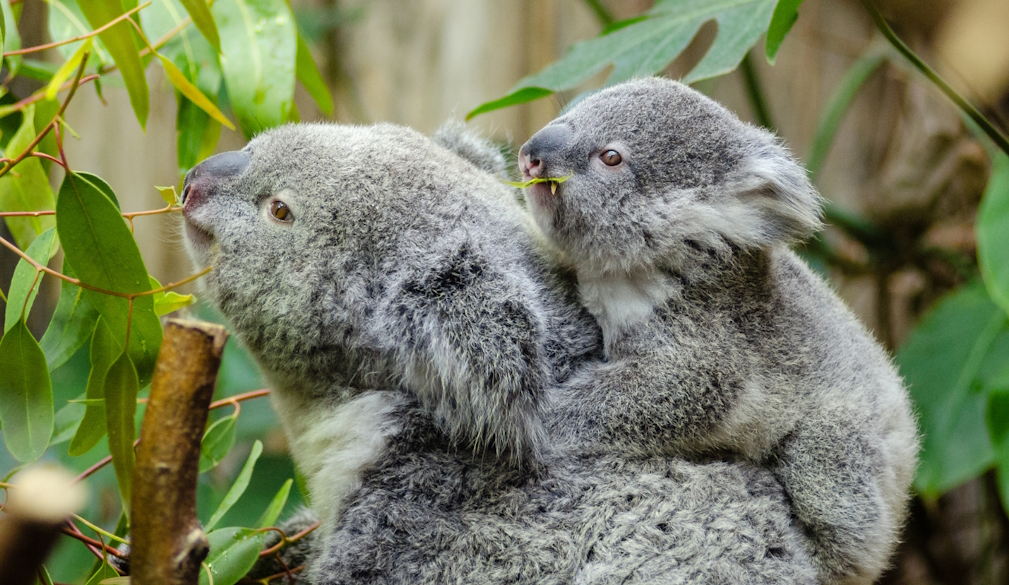
A popular wildlife park in Brisbane has announced it will no longer offer “koala holds”[1], prompting questions[2] about whether other captive animal facilities should follow.
Koala handling has long been criticised[3] by animal welfare advocates. They say koalas are naturally solitary, nocturnal animals that become stressed when placed in close proximity to humans – so hugging them is “completely unacceptable”.
I study stress in animals[4], particularly marsupials – and I can confirm koala cuddles are detrimental to these animals.
There’s a compelling evidenced-based argument for other zoos and wildlife parks to reassess their policies on koala handling. I would also argue this review should be extended to other human-animal interactions more broadly. The zoological industry should go further and call for the practice to be banned nationwide.
Cuddling koalas to be banned at iconic sanctuary | 9 News Australia.Research into koala handling and stress
The Lone Pine Koala Sanctuary ended koala cuddles on July 1. It denies[5] animal welfare concerns prompted its decision.
Instead, the sanctuary says the move[6] was triggered by “strong visitor feedback[7]” from people wishing to spend more time with koalas, without necessarily holding them. Management says both local and international guests still want to get “up close”, just not so personal.
Regardless of the motivation, public attitudes to animal welfare[8] are shifting around how animals should be treated, and whether endangered species such as koalas should be kept in captivity at all.
Research shows chronic stress in captivity[9] can cause physiological problems such as weight loss, changes to the immune system, and decreased reproductive capacity[10].
Koalas naturally avoid humans in the wild[11]. They see people and other animals as a threat[12].
The simple presence of tourists walking through their habitat can elevate a koala’s heart rate[13].
Levels of the stress hormone cortisol can increase both during and after handling sessions[14] in adult koalas, although this stress response varies depending on gender and reproductive status.
Male koalas are more stressed[15] to begin with. This may be because they are highly territorial. Interacting with people could disturb their sex drive[16], with unfortunate consequences for koala breeding programs.
Koalas are nocturnal[17] in the wild, but in zoos they are displayed during daytime. This may disturb their sleep[18] when they are on a break.
Humans also wear fragrances that could be irritating, given koalas have highly sensitive noses[19].
All these sources of stress add up over time. We know chronic stress[20] has long-term effects on health and wellbeing in humans and animals[21]. Some animals are particularly prone to stress in captivity[22].

Broader implications for wildlife in zoos
Australia’s Zoo & Aquarium Association says it strongly supports the Lone Pine Koala Sanctuary’s new position for koala experiences. In a statement, it said the decision
will address the desires of visitors to see koalas in their natural state while still providing the immersive, unforgettable, and educational experiences that drive conservation engagement in ZAA-accredited institutions.
Caring for animals goes beyond providing food, water and a place to live. It taps into the deeper cognitive and emotional dimensions[24] of how wildlife relate to their environment, especially the presence of humans.
Accredited zoos employ well-trained and skilled professionals to take care of animals. But not all animals are suited to interactions with visitors[25].
For example, a study on cheetahs in captivity[26] found stress from handling and other human interactions was linked to lower reproductive rates and higher instances of illness.
All animals can experience some form of discomfort when handled. However, zoo animals are handled by trained professionals and provided appropriate rest breaks.
Extra care should be taken when handling birds such as parrots and raptors[27], as they also suffer from stress and behavioural disruptions due to handling.
Reptiles, including snakes and lizards, are more resilient[28] but stress can disrupt thermoregulation and feeding. Amphibians such as frogs and salamanders are particularly sensitive due to their permeable skin[29], making handling more risky. Large carnivores and primates can experience psychological stress and behavioural issues[30] from human interactions.
Alternative approaches
Zoos balance animal welfare against the need to engage the public. People want to interact with wildlife and there are many ways to achieve this, aside from visitors handling the animals. They include:
Observation-based experiences: zoos can offer guided tours and observation experiences where visitors can learn about animals in a more natural setting. This can include watching feeding sessions, enrichment activities and natural behaviours from a safe distance.
Interactive technology: augmented reality[31] and virtual reality can provide immersive experiences[32] that allow visitors to feel close to the animals without physical interaction. These technologies can simulate close encounters and provide educational content in a captivating manner.
Educational programs: zoos can enhance educational programs by incorporating more talks, demonstrations and interactive exhibits[33] that focus on animal behaviour, conservation and the importance of respecting wildlife.
Volunteer opportunities: For those keen on a more hands-on experience, zoos can offer volunteer programs where participants can assist with habitat maintenance, animal enrichment and other behind-the-scenes activities[34] that do not involve direct handling.
A look back on koala’s role in Queensland’s tourism boom | 7NEWS.A big act to follow
One wildlife park’s decision to cease offering koala cuddles is a huge step in the right direction. It reflects a growing recognition of the need to prioritise animal welfare in a zoo setting.
Research consistently shows handling can cause significant stress to koalas and other wildlife, leading to adverse health effects. As stewards of conservation and education, zoos must balance visitor engagement with the ethical treatment of animals.
By adopting alternative approaches that minimise stress and promote natural behaviours, zoos can continue to educate the public and foster a deeper appreciation for wildlife – without compromising the wellbeing of the animals in their care.
Balancing tourism and animal welfare involves species-specific handling policies, proper training, and alternative engagement methods. Educating visitors about the importance of animal welfare can help reduce the demand for direct handling. While outright bans may not be necessary, minimising handling and employing ethical practices are crucial for ensuring animal welfare in captivity.
References
- ^ no longer offer “koala holds” (www.lonepinekoalasanctuary.com)
- ^ questions (www.bbc.com)
- ^ criticised (www.worldanimalprotection.org.au)
- ^ study stress in animals (www.edwardstresslab.org)
- ^ denies (www.abc.net.au)
- ^ the move (www.lonepinekoalasanctuary.com)
- ^ strong visitor feedback (www.lonepinekoalasanctuary.com)
- ^ public attitudes to animal welfare (www.openaccessgovernment.org)
- ^ chronic stress in captivity (www.ncbi.nlm.nih.gov)
- ^ decreased reproductive capacity (www.leibniz-gemeinschaft.de)
- ^ avoid humans in the wild (www.dw.com)
- ^ threat (www.savethekoala.com)
- ^ elevate a koala’s heart rate (journals.plos.org)
- ^ during and after handling sessions (www.sciencedirect.com)
- ^ Male koalas are more stressed (www.sciencedirect.com)
- ^ disturb their sex drive (www.couriermail.com.au)
- ^ nocturnal (friendsofthekoala.org)
- ^ disturb their sleep (www.publish.csiro.au)
- ^ highly sensitive noses (www.popsci.com)
- ^ chronic stress (www.mayoclinic.org)
- ^ and animals (www.ncbi.nlm.nih.gov)
- ^ prone to stress in captivity (www.ncbi.nlm.nih.gov)
- ^ AP Photo/G20 Australia, Andrew Taylor (photos.aap.com.au)
- ^ cognitive and emotional dimensions (www.cell.com)
- ^ suited to interactions with visitors (wildwelfare.org)
- ^ cheetahs in captivity (cheetah.org)
- ^ birds such as parrots and raptors (conservancy.umn.edu)
- ^ more resilient (www.sciencedirect.com)
- ^ particularly sensitive due to their permeable skin (www.frontiersin.org)
- ^ psychological stress and behavioural issues (www.nature.com)
- ^ augmented reality (ar-locations.com)
- ^ immersive experiences (www.brusselstimes.com)
- ^ talks, demonstrations and interactive exhibits (sydneyzoo.com)
- ^ habitat maintenance, animal enrichment and other behind-the-scenes activities (www.adelaidezoo.com.au)