Work or play? The rise of online ‘kidfluencers’ is raising complex legal and ethical questions
- Written by: Irmine Keta Rotimi, Doctoral Candidate, Marketing and International Business department, Auckland University of Technology
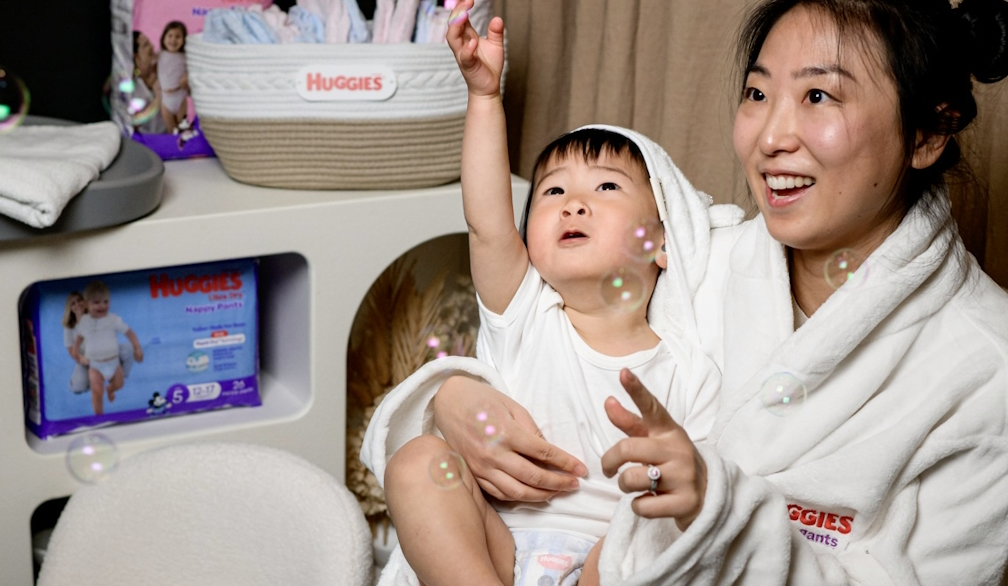
Videos of children opening boxes of toys and playing with them have become a feature of online marketing – making stars out of children as young as two.
Twelve-year-old influencer Ryan Kaji[1], for example, earns US$30 million a year on YouTube leading one of the most popular children’s channels. His empire was built on toy unboxing.
An influencer (child or adult) with more than one million followers[2] can earn upwards of $20,000 for one sponsored post, while a person with under 100,000 followers on a social media platform may still earn as much as $4,000 for each sponsored post.
But the rise of kidfluencers around the globe raises questions about the blurred lines between play and labour, independence and control, privacy, profit and online success.
Our research[3] examines these questions. By analysing existing research to clearly identify the challenges faced by child toy unboxers[4], we can guide future researchers and governments to best support children who are living parts of their lives online.
YouTube as a career goal
A 2023 global survey[5] of children aged between eight and 12 found they were three times more likely to aspire to be a YouTuber (29%) than an astronaut (11%).
Advertisers have taken note. Social media platforms Facebook, Instagram, Snapchat, TikTok, X (formerly Twitter) and YouTube collectively earned nearly $11 billion[6] in advertising revenue in 2022 from United States-based users younger than 18.
Toy unboxing has emerged as particularly popular, generating massive revenue[7] and global audiences. These types of videos involved children who unbox, play and review toys.
Unboxing videos became popular in the 2010s[8], with content creators unpacking products such as tech gadgets and fashion items. Toy unboxing[9] is now one of the highest-earning genres on YouTube.
Unboxing videos have become popular on video platforms such as YouTube.Work, play or somewhere in between
At first glance, unboxing videos seem to follow a simple entertainer-audience relationship. The kidfluencers emotionally engage with young viewers, who are then inspired to create their own toy wish lists.
But behind the fun is a world of complexity often not obvious for young viewers (and sometimes older viewers too).
These children are hired by companies – and managed by their parents – to promote toys and other products in an job-like arrangement. This has raised concerns about child exploitation, privacy risks and unethical work practices.
But current child labour laws in New Zealand and elsewhere do not see child influencers as a type of “child worker”. And it is difficult to do so.
While kidfluencers seem to be genuinely playing with the sponsored toy, their content is managed by contracts with advertisers, and expectations set by their parents. Therefore it can’t fully be labelled as “play”.
At the same time, calling these practices purely “labour” ignores the real excitement children feel when creating sponsored content.
In 2020, the French government[10] labelled kidfluencers a “grey zone” – where the child is not officially working, but nevertheless spends a significant amount of time making videos, or derives a significant level of income from them.
Protecting children
Another complexity is that some social media platforms require users to be over 13, yet some kidfluencers are toddlers[11], with parents creating and managing their accounts, including producing and posting their children’s online content.
While parents play a big role in managing their child’s online presence, the child drives the toy sales, creating tension between parental control and a child’s independence.
And behind this all is the issue of money. A child’s involvement – and success – is driven by the wants and needs of advertisers. This raises questions about how much of a say the child really has in terms of creating content.
Privacy and online safety are two key issues facing the kidfluencer industry. The more content a child toy unboxer posts online, the more popular and profitable they can become. But at the same time, popularity brings very real risks.
Young female unboxers – and female kidfluencers in general – have been targeted by online predators[12]. To stay safe, some kidfluencers use fake names[13] and don’t share their location. But these strategies are not perfect[14].
Current (and proposed) policies rarely balance protecting child stars with supporting their success in sponsored content.
In recent years, however, France[15] and individual states in the US[16] have created laws to protect the kidfluencers’ earnings.
All governments should follow suit and create policies that recognise the challenges of the kidfluencer industry, and which support and protect the children involved.
References
- ^ Ryan Kaji (www.theregreview.org)
- ^ more than one million followers (abcnews.go.com)
- ^ research (www.tandfonline.com)
- ^ toy unboxers (journals.sagepub.com)
- ^ 2023 global survey (theharrispoll.com)
- ^ collectively earned nearly $11 billion (journals.plos.org)
- ^ generating massive revenue (www.forbes.com)
- ^ became popular in the 2010s (thespinoff.co.nz)
- ^ Toy unboxing (eprints.qut.edu.au)
- ^ French government (www.loc.gov)
- ^ some kidfluencers are toddlers (www.instagram.com)
- ^ targeted by online predators (www.nytimes.com)
- ^ use fake names (journals.sagepub.com)
- ^ strategies are not perfect (journal.media-culture.org.au)
- ^ France (www.bbc.com)
- ^ individual states in the US (abcnews.go.com)