What should I eat (and avoid) while breastfeeding? How does my diet affect baby’s milk?
- Written by: Therese O'Sullivan, Associate Professor in Nutrition and Dietetics, Edith Cowan University
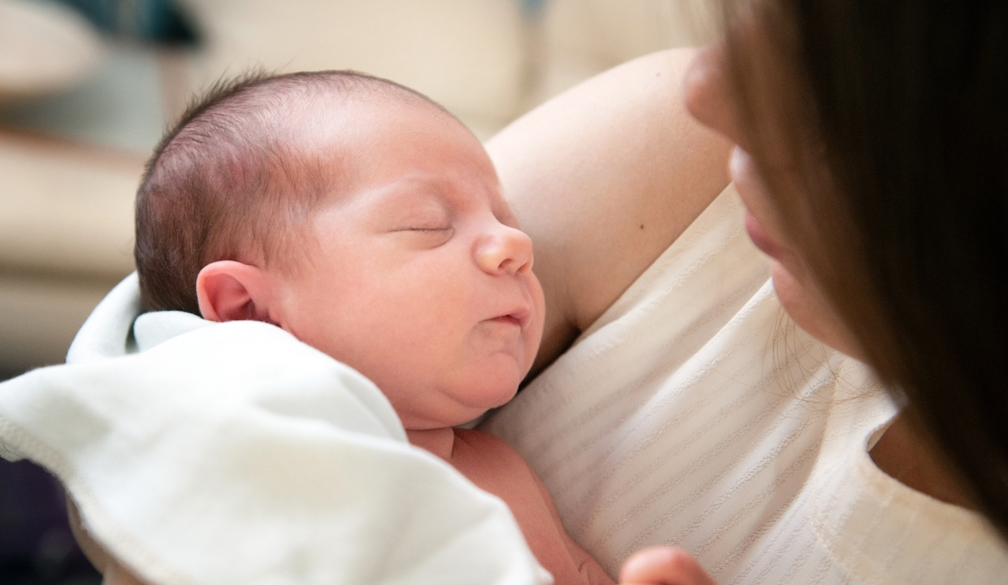
Many people are familiar with the saying that a woman is “eating for two” during pregnancy. Although this is an exaggeration, nutritional needs do certainly increase during pregnancy to support the growing baby.
But what’s perhaps less known is that energy needs are actually even slightly higher[1] during breastfeeding than during pregnancy.
Human breastmilk is a dynamic liquid[2] and its composition (including carbohydrates, fats, proteins, vitamins and minerals) varies over the entire breastfeeding period, and even between feeds.
It can change depending on what mum is eating, environmental factors, and what the baby needs, through a biofeedback system (sometimes called “baby backwash”). For example, if a baby is starting to get sick, breastmilk will adjust[3] to include more leukocytes, immune cells that fight infection.
So what should breastfeeding women be eating? And how does a mother’s diet influence the nutritional makeup of her milk?
Nutritional needs increase during breastfeeding
Fully breastfeeding mums can produce around 800 millilitres of milk a day in the first six months after birth, which has an energy content of roughly 3 kilojoules per gram[4].
Even factoring in using up excess fat stored during pregnancy, mums still need on average an extra 2,000 kilojoules[5] to support milk production. This is roughly equivalent to adding a cheese sandwich, a handful of nuts and a banana on top of normal dietary intake.
Interestingly, requirements don’t drop off after the baby starts solids. In the second six months, milk production is thought to drop to an average of 600ml per day[6], as babies start to eat solid foods. But because maternal fat stores deplete by this stage, additional energy requirements remain similar[7].
Some nutrients are particularly important during breastfeeding, including protein, calcium, iron, iodine and vitamins.
For example, compared with a non-pregnant, non-breastfeeding woman, protein requirements increase by almost half when breastfeeding (from 0.75 grams to 1.1 grams[8] per kg of body weight per day).
Meanwhile, iodine requirements almost double (from 150 micrograms per day to 270 micrograms[9] per day). Iodine is important for thyroid function, and can impact baby’s growth and brain development.
It’s important women who are breastfeeding eat a variety of foods[10], including:
- high-protein foods (meat, fish, eggs, nuts, seeds, soy-based protein such as tofu and tempeh, legumes such as chickpeas, baked beans and lentils)
- dairy foods or alternatives (for dairy alternatives, check calcium is included)
- whole grains
- fruits and vegetables.
While making all that milk, drinking more water also becomes extremely important. Thirst is a good guide, but around 2.5 litres per day[11] is generally recommended, or more if it’s hot or with exercise.
Is there anything I shouldn’t be eating?
What a mum consumes can pass into her breastmilk. For example, in one study, babies whose mothers drank small amounts of carrot juice while breastfeeding were more accepting of cereal flavoured with carrot juice[12] compared with a control group of babies whose mothers drank water.
It’s therefore important to limit alcohol and caffeine, which can also pass though to the baby. No alcohol is the safest choice, but if you’re planning to have a drink, tools such as the Feed Safe app[13] can be used to estimate when your breastmilk should be free of alcohol.
Up to 200mg of caffeine per day[14] (equivalent to roughly a cup of brewed coffee, an energy or cola drink, or four cups of tea) is considered safe for breastfeeding.
Breastfeeding mums don’t need to take any particular foods out of their diet to prevent allergies[15] in their baby. In fact, experts believe babies exposed to common allergens via breast milk could be less likely to develop allergies to these foods, however we need more research into this question.
Although relatively uncommon, babies can be allergic or intolerant[16] to certain aspects of their mothers’ diet when breastfeeding. They may react in the form of colic or wind, reflux, mucus or blood in their poo, eczema or rash, or appear to be in pain.
In these cases, mum’s diet may need adjustment. The most common culprits include cows’ milk[17] (the protein, not the lactose component), soy and egg.
It’s recommended to remove suspected foods from the diet for a minimum of three weeks[18]. This should ideally be done with supervision from an Accredited Practising Dietitian[19] who specialises in allergy, to ensure the mother’s nutritional needs continue to be met.
4 tips for breastfeeding mums
-
it’s a good idea to get a blood test to check your vitamin D and iron levels[20] – these can be depleted over pregnancy and are important for breastfeeding. If your levels are low, you can discuss options with your doctor
-
iodine requirements are so much higher in breastfeeding that an iodine supplement[21] of 150 micrograms a day is recommended to support infant growth and neurodevelopment
-
have a variety of nutritious snacks that can be eaten with one hand for those late-night feeds, such as peeled boiled eggs, a peanut butter sandwich on wholegrain bread, or avocado and cheese on a rice cake. My personal favourite is homemade rocky road with dark chocolate, nuts, seeds and dried fruit
-
keep a drink bottle with water nearby when breastfeeding.
If you’re considering a gift for a family with a new baby, remember new parents’ personal needs often take a back seat when bub arrives, including eating well. Consider a hearty frozen meal, muffins with oats and nuts, a nice stainless steel water bottle, gourmet trail mix or even some homemade rocky road.
References
- ^ slightly higher (www.eatforhealth.gov.au)
- ^ dynamic liquid (www.breastfeeding.asn.au)
- ^ breastmilk will adjust (doi.org)
- ^ 3 kilojoules per gram (doi.org)
- ^ 2,000 kilojoules (www.eatforhealth.gov.au)
- ^ 600ml per day (doi.org)
- ^ remain similar (www.eatforhealth.gov.au)
- ^ 1.1 grams (www.eatforhealth.gov.au)
- ^ 270 micrograms (www.eatforhealth.gov.au)
- ^ eat a variety of foods (raisingchildren.net.au)
- ^ 2.5 litres per day (raisingchildren.net.au)
- ^ more accepting of cereal flavoured with carrot juice (doi.org)
- ^ Feed Safe app (www.feedsafe.net)
- ^ 200mg of caffeine per day (raisingchildren.net.au)
- ^ to prevent allergies (theconversation.com)
- ^ allergic or intolerant (www.breastfeeding.asn.au)
- ^ cows’ milk (www.breastfeedingnetwork.org.uk)
- ^ three weeks (www.breastfeedingnetwork.org.uk)
- ^ Accredited Practising Dietitian (member.dietitiansaustralia.org.au)
- ^ vitamin D and iron levels (doi.org)
- ^ iodine supplement (www.health.nsw.gov.au)
%20while%20breastfeeding?%20How%20does%20my%20diet%20affect%20baby’s%20milk? "Pin It")