Trump Blockades Strait of Hormuz — What’s That About?
- Written by: the Times
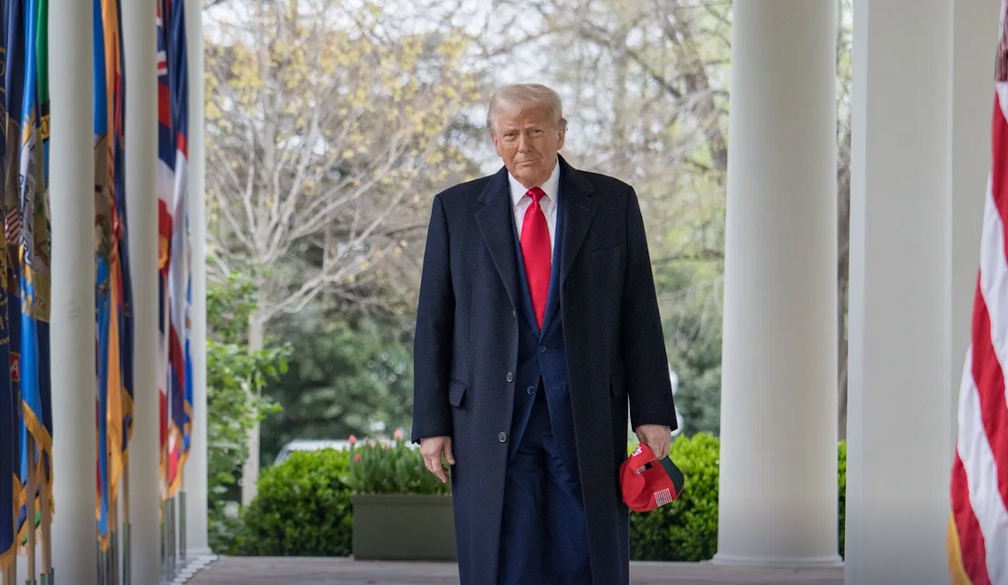
In a dramatic escalation that has sent shockwaves through global markets and diplomatic circles, former U.S. President Donald Trump has reportedly ordered or supported a blockade of the Strait of Hormuz — one of the most critical shipping lanes on the planet.
For Australians watching from afar, the immediate question is simple: what does this mean, and why does it matter? The answer is complex — and potentially costly.
The Strait of Hormuz: The World’s Energy Artery
The Strait of Hormuz sits between Iran and Oman, connecting the Persian Gulf to global shipping routes. Roughly 20% of the world’s oil supply passes through this narrow stretch of water every day.
Oil from major producers such as Saudi Arabia, United Arab Emirates, Kuwait and Iraq must transit this corridor to reach global markets.
Block it — even partially — and the consequences ripple instantly across the global economy.
What Does “Blockade” Actually Mean?
A blockade does not necessarily mean ships are being physically stopped at gunpoint — although that is one possibility. It can include:
-
Deployment of naval forces to control or restrict passage
-
Inspections or delays that effectively choke supply
-
Threats of force that deter commercial shipping
-
Sanctions and military positioning that escalate risk
If tied to tensions with Iran, the move signals a high-stakes confrontation. Iran has long warned it could itself close the strait if threatened — meaning a blockade risks triggering retaliation.
Why Would Trump Support This?
While specifics depend on the evolving geopolitical context, a blockade of the strait would likely be framed around:
-
Pressure on Iran over nuclear ambitions or regional influence
-
Control of global energy flows to exert economic leverage
-
Demonstration of military strength to allies and adversaries
-
Domestic political positioning ahead of elections or global negotiations
The Strait of Hormuz has historically been a flashpoint in U.S.–Iran tensions, and any move to restrict access is seen as a major escalation.
Immediate Global Consequences
1. Oil Prices Spike
Even the threat of disruption can send oil prices soaring. A real blockade could push prices sharply higher within hours.
For context, past tensions in the region have triggered price jumps of 10–30% in days. A sustained disruption could be far worse.
2. Shipping Chaos
Global shipping insurers would likely increase premiums dramatically — or withdraw coverage altogether.
Tankers may refuse to enter the region, creating a de facto shutdown even without direct military confrontation.
3. Risk of Military Conflict
Any confrontation involving the United States and Iran risks rapid escalation.
Iran has capabilities including:
-
Naval mines
-
Fast attack boats
-
Missile systems targeting ships and infrastructure
A miscalculation could quickly spiral into a broader regional conflict.
What It Means for Australia
Australia may be geographically distant, but economically it is deeply exposed.
Fuel Prices Surge
Australia imports a large portion of its refined fuel. Higher global oil prices flow directly into:
-
Petrol and diesel costs
-
Freight and logistics expenses
-
Aviation fuel and airfares
Consumers would feel it within weeks — sometimes days.
Cost of Living Pressure
Rising fuel costs cascade through the economy:
-
Food prices increase due to transport costs
-
Retail goods become more expensive
-
Energy bills may rise
For households already under mortgage stress, this adds another layer of financial pressure.
Tourism and Travel Hit
Airlines adjust pricing rapidly based on fuel costs. Expect:
-
Higher international airfares
-
Increased domestic travel costs
-
Reduced discretionary spending on holidays
Tourism operators — already operating on thin margins — could be hit hard.
Business Margins Squeezed
Industries most exposed include:
-
Transport and freight
-
Agriculture
-
Construction
-
Retail
Many smaller operators simply do not have the margins to absorb sustained cost increases.
Strategic Implications
A blockade of the Strait of Hormuz would not just be a regional issue — it would signal a shift in global power dynamics.
It raises serious questions:
-
How secure are global energy supply chains?
-
Can alternative routes or reserves compensate?
-
Will major economies intervene to keep trade flowing?
Countries like China and India — both heavily dependent on Gulf oil — would face enormous pressure to respond.
Could It Actually Happen?
Historically, a full blockade has been avoided because:
-
It risks global economic collapse
-
It invites immediate military confrontation
-
It harms allies as much as adversaries
However, partial disruptions, heightened military presence, and brinkmanship are far more common — and still highly disruptive.
The Bottom Line
A move by Donald Trump to blockade the Strait of Hormuz would be one of the most consequential geopolitical actions in recent history.
For Australians, the impact would be felt not in headlines — but at the petrol pump, the supermarket checkout, and the cost of everyday life.
In a globalised economy, a narrow stretch of water thousands of kilometres away can still hit home — hard.