Australia’s Blind Spot: While Fuel Dominates the Headlines, These Structural Crises Are Being Ignored
- Written by: The Times
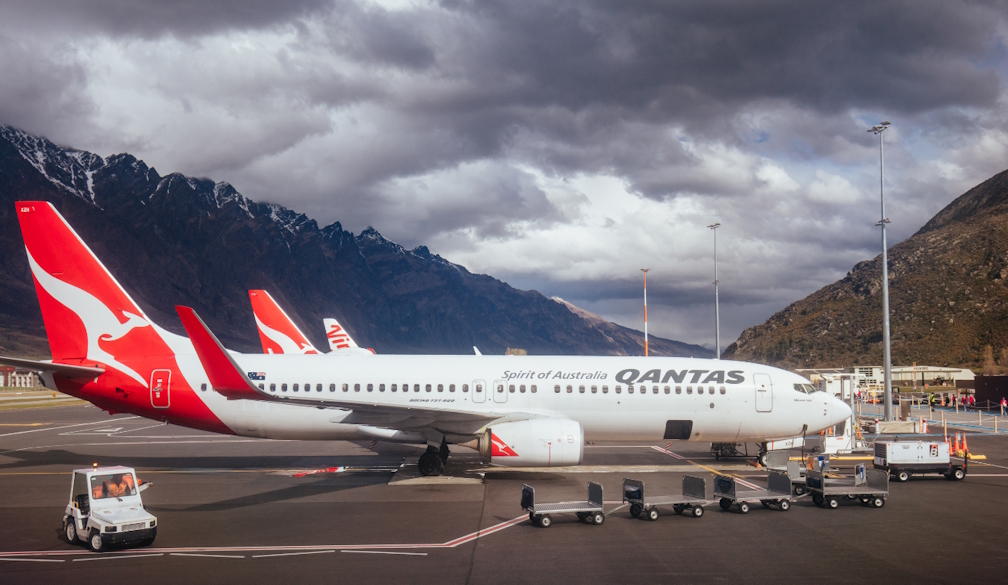
As Australians grapple with fuel shortages and rising petrol prices, it’s easy to understand why the issue dominates public attention. Fuel affects everything—transport, logistics, food distribution, and the daily commute. But beneath the surface, and arguably far more consequential over the long term, a series of systemic challenges are quietly reshaping the nation’s economic and social fabric.
These are not new problems. They are entrenched, structural, and in many cases worsening. Yet they receive only intermittent attention, often overshadowed by more immediate crises. If Australia is to avoid long-term decline in living standards, these issues demand sustained focus.
Housing: A System That No Longer Works
Housing affordability has moved beyond being a policy challenge—it is now a defining national issue. For many Australians, the dream of home ownership is slipping out of reach, not because of lack of aspiration, but because the system itself is structurally misaligned.
High land costs, excessive planning restrictions, developer charges, and construction costs have created a market where new supply struggles to meet demand. At the same time, population growth continues to accelerate, intensifying pressure.
Renters are equally affected. Vacancy rates remain tight, rents are climbing, and competition for available properties is fierce. The result is a generation facing housing insecurity despite working full-time.
Health: Access Is Becoming a Privilege
Australia’s healthcare system has long been a point of national pride. However, access to timely and affordable care is becoming increasingly uneven.
Public hospitals are under strain, with waiting times stretching into months or even years for non-urgent procedures. General practitioners are reducing bulk billing, shifting costs directly onto patients. In regional areas, access can be even more limited, forcing residents to travel significant distances for basic care.
The system is not collapsing—but it is clearly under pressure, and the trajectory suggests further deterioration unless structural reforms are implemented.
NDIS: A Lifeline Under Threat
The National Disability Insurance Scheme (NDIS) was designed as a transformative social policy. It has delivered meaningful support to many Australians. However, concerns around fraud, over-servicing, and administrative inefficiencies are growing.
Costs have escalated rapidly, raising questions about long-term sustainability. Reports of misuse and inflated service pricing have undermined confidence, while genuine participants risk being caught in the backlash as governments attempt to rein in spending.
Without tighter oversight and accountability, the scheme risks losing public trust—an outcome that would ultimately harm those it was designed to support.
Domestic Travel: Pricing Australians Out of Their Own Country
Travel within Australia has become prohibitively expensive for many households. Airfares between major cities often rival or exceed international flights, while accommodation costs have surged due to consolidation within the sector and dynamic pricing models.
Caravan parks, once an affordable option for families, are increasingly operated by large corporate entities, pushing prices higher. Regional tourism operators face rising costs themselves, passing these onto consumers.
The result is a paradox: Australians are encouraged to “holiday at home,” yet many find it financially unviable to do so.
Education: Opportunity Divides Are Widening
Education has historically been a pathway to upward mobility. That pathway is becoming less accessible.
School systems are under pressure from overcrowding, teacher shortages, and funding disparities. Private education costs continue to rise, placing additional strain on families seeking alternatives.
At the tertiary level, universities are undergoing a profound shift. Increasingly reliant on international student revenue, many institutions are operating more like commercial enterprises than centres of learning. Course offerings are often shaped by profitability rather than national need, raising concerns about long-term workforce alignment.
The debate over ideological influence—often framed as “woke culture”—has further polarised public perception of universities, distracting from the core issue: are they delivering value and preparing students effectively?
The True Cost of Car Ownership
Owning a car in Australia has become significantly more expensive. Beyond fuel, Australians face rising costs in insurance, registration, maintenance, and financing.
Vehicle prices have increased, partly due to supply chain disruptions and regulatory requirements. Insurance premiums are climbing, driven by higher repair costs and increased risk exposure.
For many households, particularly in outer suburbs and regional areas where public transport is limited, car ownership is not optional—it is essential. This makes the rising cost even more burdensome.
Food Security: A Growing Concern
Australia is a major food producer, yet food affordability is becoming a serious issue domestically.
Supply chain disruptions, extreme weather events, and rising input costs have driven up prices across essential categories. Supermarket concentration limits competition, reducing downward pressure on pricing.
The concept of food insecurity—once associated primarily with developing nations—is increasingly relevant in Australia, particularly among lower-income households.
Privatisation and Profit: Essential Services Under Scrutiny
Electricity, water, and other essential services were once predominantly government-owned. Today, many are operated by private or semi-private entities.
While privatisation was intended to improve efficiency, it has also introduced profit motives into essential services. Consumers are facing higher bills, often with limited transparency around pricing structures.
Energy costs, in particular, have become a major household expense, influenced by policy decisions, infrastructure limitations, and market dynamics. Water, though less volatile, is also trending upward in cost.
The question is no longer theoretical: should essential services operate as profit-generating businesses, or as public utilities prioritising affordability and access?
Wages vs Inflation: The Silent Squeeze
Perhaps the most pervasive issue is the gap between wage growth and inflation. While costs across housing, food, energy, and transport continue to rise, wage increases have not kept pace.
This creates a sustained decline in real purchasing power. Households are forced to cut discretionary spending, reduce savings, or take on additional debt.
Unlike fuel shortages, which are visible and immediate, this economic pressure is gradual—but no less significant. Over time, it erodes living standards and increases financial stress across the population.
The Bigger Picture
Fuel shortages may be the headline issue of the moment, but they are ultimately a symptom of broader systemic vulnerabilities. The deeper challenges—housing affordability, healthcare access, education quality, cost of living pressures, and structural inefficiencies—require long-term, coordinated policy responses.
These are not issues that can be solved with short-term interventions or political messaging. They demand strategic thinking, investment, and a willingness to confront difficult trade-offs.
Until then, Australians will continue to feel the pressure—not just at the petrol pump, but across every aspect of daily life.