Starship Roars Into The Future As SpaceX Launch Captivates The World
- Written by: The Times
The world once again stopped to watch SpaceX attempt something that only a handful of nations have ever seriously pursued — building a fully reusable mega rocket capable of carrying humanity beyond Earth.
Today’s much anticipated Starship launch from Starbase, Texas, marked another dramatic chapter in the company’s ambitious push toward the Moon, Mars and a future where space travel becomes vastly cheaper and more frequent.
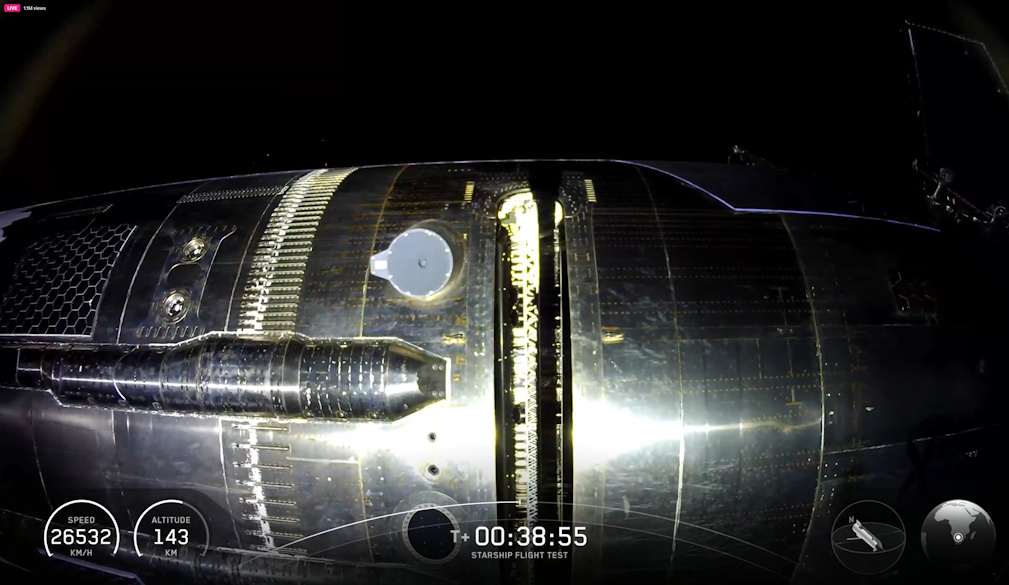
The latest mission featured the debut of the upgraded “Starship V3” system, the largest and most powerful rocket ever built. Towering more than 120 metres high, the massive launch vehicle lifted off after days of delays, technical reviews and intense global interest.
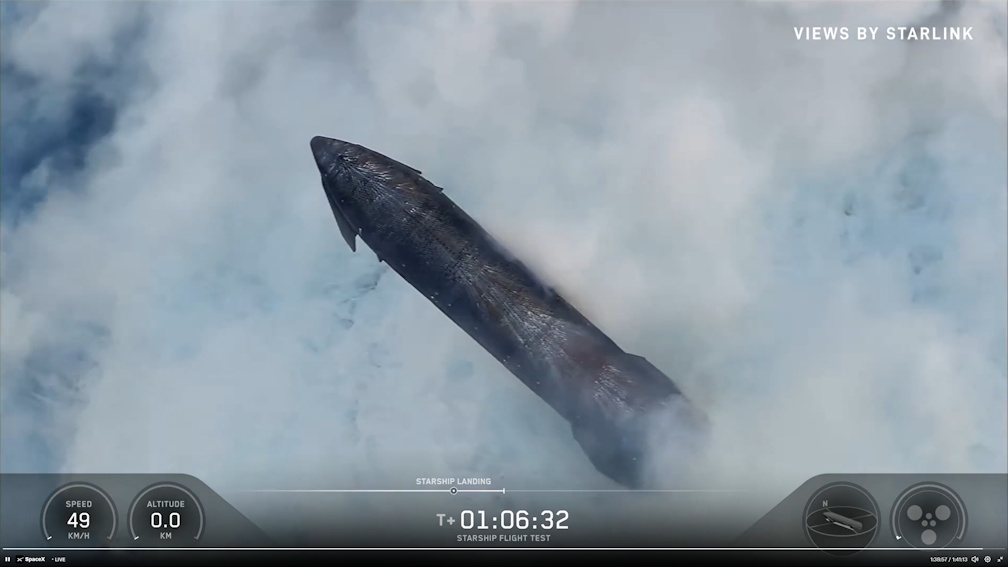
Millions watched livestreams and social media coverage as the stainless-steel rocket thundered skyward from South Texas, powered by dozens of methane-fuelled Raptor engines generating extraordinary levels of thrust.
The launch was not merely another test flight.
For SpaceX founder Elon Musk, Starship represents the centrepiece of a vision that stretches from satellite deployment and lunar missions to eventual colonisation of Mars.
Today’s flight also carried enormous commercial and political significance.
Reports suggest SpaceX has now spent well in excess of US$15 billion developing Starship, while speculation continues about a future SpaceX public listing that could become one of the largest IPOs in history.
The upgraded Version 3 Starship includes major design improvements intended to make the rocket more reliable, more reusable and more commercially practical.
Among the enhancements are:
• More advanced Raptor 3 engines
• Improved heat shielding
• Faster fueling systems
• Better payload capability
• Refinements aimed at orbital refuelling missions
These upgrades are considered essential if SpaceX hopes to achieve its long-term objective of rapidly reusable spacecraft operating almost like commercial airliners.
Today’s mission also tested payload capabilities linked to the company’s ever-expanding Starlink satellite network, which has already transformed global internet infrastructure and become a major source of SpaceX revenue.
Importantly, Starship is not simply a commercial project.
NASA is heavily invested in the program through its Artemis Moon mission strategy, with Starship expected to play a key role in returning astronauts to the lunar surface later this decade.
That gives the rocket enormous geopolitical significance.
The United States sees advanced space capability as strategically critical as China rapidly expands its own lunar and military space ambitions.
While previous Starship tests have produced spectacular explosions and failures, SpaceX has adopted an aggressive “test, fail, improve” development philosophy rarely seen in traditional aerospace programs.
Rather than building a handful of ultra-expensive rockets slowly over decades, SpaceX manufactures Starships continuously, learning from each launch and rapidly modifying designs.
The approach has frustrated critics at times but also accelerated development at remarkable speed.
Today’s launch again demonstrated the breathtaking scale of modern private-sector space engineering.
The sheer size of Starship — combined with its intended reusability — could radically lower the cost of putting cargo, satellites and eventually humans into orbit.
If successful long term, the implications extend far beyond space enthusiasts.
Lower launch costs could affect:
• Global communications
• Defence systems
• Climate monitoring
• Internet infrastructure
• Scientific research
• Mining and resource industries
• International military capability
For Australia, the Starship era may also create opportunities.
Australian mining, rare earth processing, aerospace engineering, satellite services and remote communications industries could all benefit from lower-cost access to orbit and expanding commercial space infrastructure.
Whether Starship ultimately succeeds in reaching Mars remains uncertain.
But after today’s launch, one thing is increasingly difficult to deny:
Humanity’s next great industrial frontier may already be underway above the skies of Texas.