“No Way Out”: Why Australians Fear The Financial Pain Is Only Beginning
- Written by: The Times
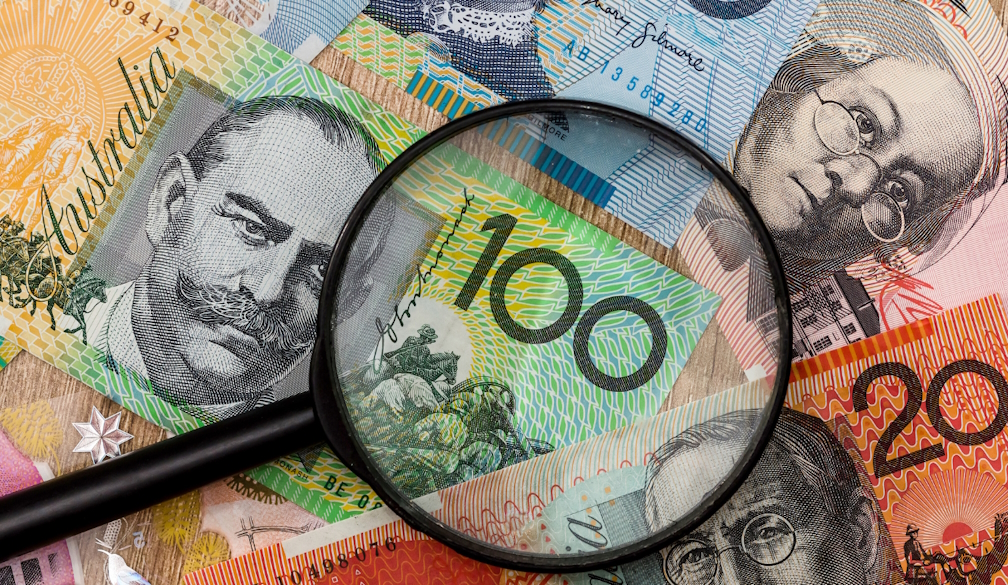
Australians are working, earning, budgeting and sacrificing — yet for many households the numbers still no longer seem to add up.
Across the country a growing mood is taking hold. It is not panic, at least not yet. But it is anxiety. Persistent, exhausting financial anxiety.
Fuel remains expensive. Grocery bills continue to shock shoppers at supermarket checkouts. Insurance costs have climbed sharply. Renters are under pressure. Mortgage holders remain nervous. Businesses face rising operating expenses while consumers increasingly hesitate before spending.
The great Australian economic squeeze is no longer a theory discussed only by economists and Reserve Bank officials. It is now part of daily life.
The concern for many Australians is not simply inflation itself. Inflation is normal in modern economies. The deeper fear is inflation with no obvious end point.
The Reserve Bank continues warning that inflationary pressures remain stubborn. Interest rates, while already painful for borrowers, may not yet have fully done their job in slowing spending and reducing price growth.
That uncertainty alone affects confidence.
Families are delaying major purchases. Home buyers are hesitating before entering the market. Businesses are slowing expansion plans. Investors are becoming cautious. Even consumers with stable incomes are increasingly behaving defensively.
The Australian dream has always relied heavily on confidence — confidence in employment, housing, business growth and future prosperity. That confidence appears increasingly fragile.
"Property markets illustrate the divide perfectly."
In some suburbs prices continue climbing because demand still exceeds supply. Population growth and migration continue placing enormous pressure on housing availability. Yet many younger Australians feel completely disconnected from the property market.
For many first-home buyers the challenge no longer feels temporary. It feels permanent.
A generation raised believing hard work would eventually lead to home ownership is increasingly questioning whether that promise still exists.
At the same time, investors are carefully assessing the Federal Government’s proposed taxation and housing reforms. Changes involving capital gains tax treatment and property investment settings have sparked debate throughout the property industry.
Some argue reform is necessary to improve affordability. Others warn it could discourage investment at precisely the time Australia desperately needs more housing supply.
The result is hesitation.
And hesitation can itself become economically dangerous.
Businesses are also watching closely. Small business owners across Australia continue facing rising wages, energy costs, insurance premiums, freight expenses and weaker discretionary spending. Access to finance is becoming harder as lenders adopt increasingly cautious positions.
Meanwhile consumers continue adjusting their lifestyles.
Restaurant visits become less frequent. Holiday plans are postponed. Home renovations are delayed. Subscription services are reviewed. Families quietly scale back spending in dozens of small ways.
None of these decisions alone trigger an economic crisis.
But together they signal something important: Australians are becoming more defensive about the future.
There are also broader international concerns feeding into the national mood. Global instability, shipping disruptions, fuel market uncertainty and slowing economic growth in major economies all influence Australia’s outlook.
The uncomfortable reality is that Australia does not operate in isolation.
The nation remains wealthy by global standards. Employment levels remain comparatively strong. Many sectors of the economy continue performing well. Yet optimism itself appears weaker than it once was.
Perhaps the greatest challenge facing political leaders and economic policymakers is psychological rather than purely financial.
Australians need to believe that sacrifice today leads to improvement tomorrow.
If that belief weakens too far, confidence weakens with it.
And confidence has always been one of Australia’s most valuable economic assets.
For now Australians continue adapting, budgeting and enduring. But around dinner tables, workplaces and shopping centres the same question increasingly emerges:
How much harder can ordinary Australians realistically work simply to stand still?