Pauline Hanson, preferences and the shifting mood of Australia
- Written by: Times Media
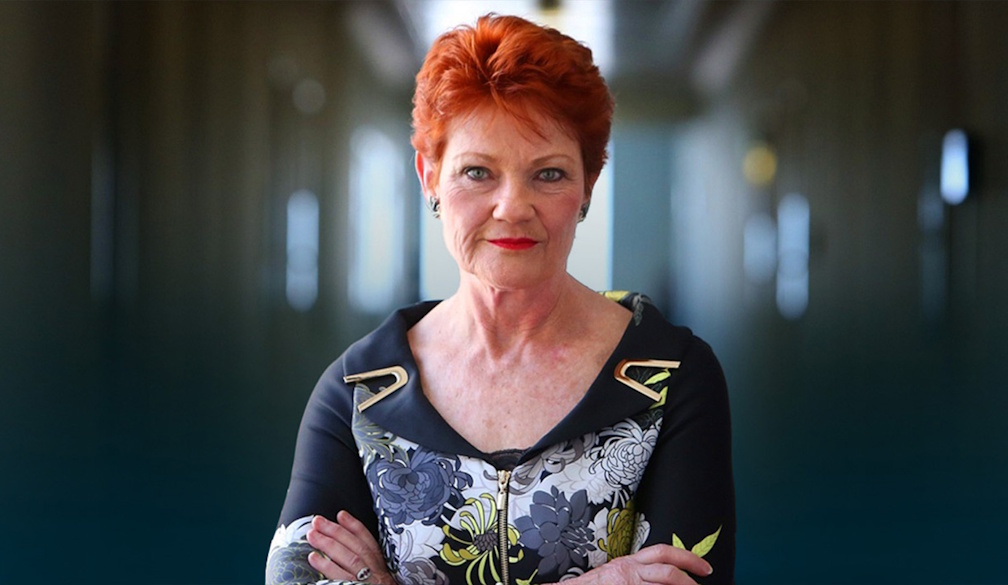
Pauline Hanson has spent decades dividing opinion in Australian politics, but even her critics acknowledge one reality — she continues to influence national debate far beyond the number of seats One Nation actually holds.
At a time when both major parties are struggling to maintain stable voter loyalty, Hanson again finds herself positioned as a significant player in the national political equation.
Not necessarily because Australians are preparing to hand One Nation government, but because preference flows, protest votes and dissatisfaction with the major parties continue to reshape federal politics.
One Nation’s real power may be preferences
Modern Australian elections are rarely decided purely by first-preference votes.
Preferences increasingly determine outcomes in marginal electorates, Senate contests and tight national races. That gives smaller parties influence disproportionate to their size.
For the Coalition, One Nation preferences remain strategically important in regional Australia and outer suburban electorates where frustration over migration, energy prices, cost-of-living pressures and housing affordability continues to build.
At the same time, Labor increasingly benefits from Greens preferences in inner-city electorates and progressive urban areas.
The result is a political landscape where preferences effectively create informal alliances, even where parties publicly distance themselves from one another.
Critics of the Greens argue that Labor’s dependence on progressive preference flows has gradually pulled the government further left on climate, industrial relations and social policy.
Conservative voters make the same argument in reverse about Coalition relationships with One Nation.
Either way, preferences matter more than ever.
Is Australia entering another protest vote cycle?
Periods of economic pressure often produce voter volatility.
Australia is now experiencing prolonged cost-of-living concerns, elevated housing costs, business uncertainty and growing frustration over energy prices and immigration pressures.
In that environment, protest voting tends to rise.
Pauline Hanson has historically performed best during periods when voters believe Canberra is disconnected from everyday concerns.
Recent polling suggests dissatisfaction remains elevated across both major party blocs, even among traditional Labor and Liberal supporters.
That does not necessarily mean Australians are preparing to dramatically change government. But it does suggest many voters remain uneasy about the country’s direction.
Do Australians want another election?
Public appetite for an early federal election appears limited.
Many Australians are fatigued by political campaigning, economic uncertainty and constant policy conflict. There is little indication voters are demanding another national vote in the immediate future.
Instead, the national mood appears more cautious than revolutionary.
Voters want relief from rising household costs, stability in interest rates, affordable housing and confidence about future economic conditions.
They also want governments to appear competent and focused.
That may explain why smaller parties continue gaining attention. Protest parties often thrive when voters are frustrated but not yet prepared to fully abandon the major party system.
Are Labor supporters comfortable with the current direction?
Within Labor’s support base there are signs of mixed sentiment.
Many traditional Labor voters continue supporting the Albanese Government’s focus on wages, healthcare, childcare and energy transition policies.
Others remain concerned about inflation, housing affordability and broader budget pressures.
Some Labor supporters also privately worry the government has struggled to fully restore national confidence after a difficult period dominated by cost-of-living concerns.
The challenge for Labor is that economic dissatisfaction often damages incumbent governments regardless of broader policy achievements.
For the Coalition, the challenge is different — presenting an alternative vision compelling enough to convert frustration into votes.
Pauline Hanson’s enduring role
Whether admired or criticised, Pauline Hanson continues to occupy a unique position in Australian politics.
She often says what sections of the electorate believe the major parties avoid discussing openly.
That alone guarantees media attention and political relevance.
Her greatest influence may not ultimately come from legislation or seat numbers.
It may come from shaping national conversations, influencing preference flows and acting as a political pressure point against both the Greens and the major parties themselves.
In a fragmented political environment, that influence can matter enormously.