Australia’s motoring transition: higher costs, new rules and the rise of Chinese vehicles
- Written by: The Times
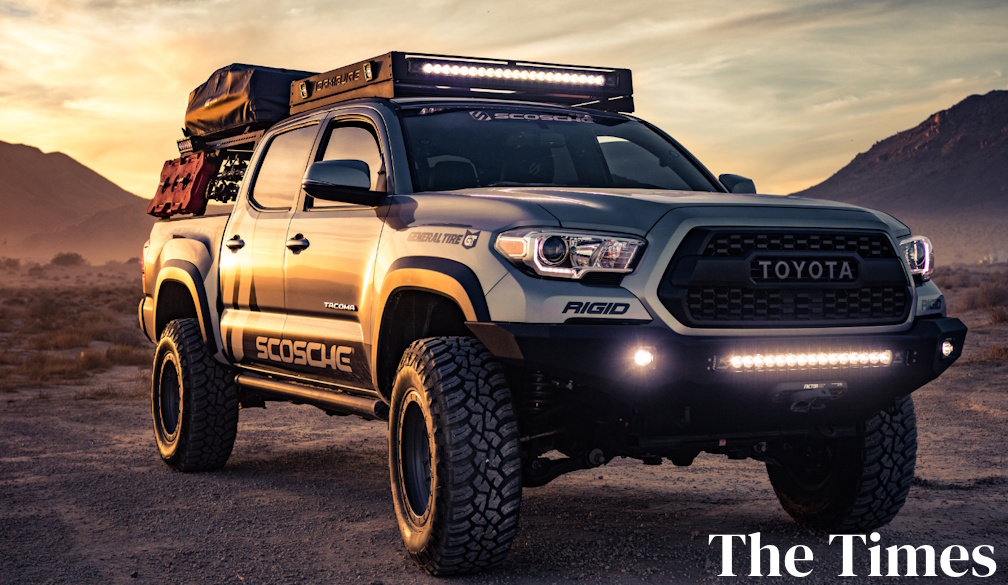
Australia’s relationship with the motor car is changing.
For generations, Australians viewed cars as symbols of freedom, practicality and lifestyle. Families packed station wagons for holidays. Tradies relied on utes. Regional Australians travelled vast distances. Enthusiasts admired V8s, touring vehicles and large American pickups.
The car industry reflected that culture.
Japanese reliability dominated Australian suburbs. European brands represented prestige. Korean manufacturers steadily improved quality and market share. American vehicles remained niche but highly desired among caravan owners, touring enthusiasts and performance fans.
Now another transition is underway.
Rising fuel prices, changing government emissions policies, electric vehicle growth and the rapid emergence of Chinese automotive brands are reshaping Australia’s roads.
The pressure of running a vehicle
Owning a vehicle in Australia has become increasingly expensive.
Fuel prices remain volatile. Insurance premiums continue rising. Registration costs place pressure on households. Vehicle servicing, tyres and repairs have all become more expensive in recent years.
For many Australians, particularly those in outer suburban or regional areas, driving is not optional.
They need vehicles to work, transport children, commute and manage everyday life.
As cost pressures increase, Australians are becoming more pragmatic in their vehicle choices.
The era of automatically upgrading to larger or more prestigious vehicles every few years appears to be slowing.
Emissions policies are changing the market
The federal government’s emissions policies and vehicle efficiency standards are accelerating change across the automotive sector.
Manufacturers selling vehicles with higher emissions increasingly face pressure to improve fleet efficiency through hybrids, smaller engines and electric vehicles.
Supporters argue these policies are necessary to reduce emissions and modernise Australia’s transport sector.
Critics argue they may increase vehicle costs and reduce choice for consumers who still prefer traditional petrol and diesel vehicles.
Regardless of political opinion, the direction appears increasingly clear.
Australia’s automotive market is moving toward lower-emission technology.
The debate now centres less on whether change is coming and more on how quickly Australians are prepared to adopt it.
Electric vehicles gain momentum
Electric vehicles continue gaining visibility on Australian roads.
Some buyers are attracted by lower running costs, quieter driving experiences and environmental considerations. Others see electric vehicles as practical responses to rising fuel prices.
For progressive urban consumers, electric vehicles increasingly represent both technology and social identity.
However, challenges remain.
Charging infrastructure continues expanding but remains inconsistent in some regional areas. Battery replacement costs concern some buyers. Long-distance touring still creates range anxiety for certain motorists.
Australia’s geography presents unique challenges compared with smaller European nations.
A commuter driving short urban distances may find an electric vehicle ideal. A regional traveller towing caravans across thousands of kilometres may reach a different conclusion.
Chinese brands arrive aggressively
Perhaps the most dramatic shift is the rapid rise of Chinese automotive manufacturers.
Brands once largely unknown to Australians are now competing aggressively on price, technology and vehicle features.
Chinese manufacturers have moved quickly into:
- Electric vehicles
- Hybrid systems
- Advanced cabin technology
- Large touchscreen interfaces
- Competitive warranty offerings
In many cases, Chinese vehicles are substantially cheaper than Japanese, Korean and European competitors while offering extensive equipment and modern styling.
Australian consumers who once dismissed Chinese cars are increasingly reconsidering them.
Cost matters.
And in a period of economic pressure, value matters even more.
Traditional brands face new competition
Japanese and Korean manufacturers still retain enormous trust among Australian consumers due to decades of reliability and dealership networks.
European manufacturers continue dominating prestige segments.
However, the competitive landscape is changing rapidly.
Chinese manufacturers appear willing to accept lower margins initially to establish long-term market presence. Their speed of development has surprised much of the global automotive industry.
Traditional manufacturers are now under pressure to:
- Accelerate electric vehicle development
- Reduce costs
- Improve technology integration
- Maintain loyalty among price-sensitive buyers
The Australian market may become one of the world’s most competitive automotive battlegrounds over the next decade.
The American vehicle niche remains strong
Despite the shift toward efficiency and electrification, demand for large American vehicles remains strong within specific segments.
Large pickups and touring vehicles continue attracting caravan owners, towing enthusiasts and rural buyers who value power, comfort and long-distance capability.
For some Australians, large American vehicles are lifestyle purchases as much as transport solutions.
That demand reflects an important reality about Australia:
there is no single Australian motoring experience.
Inner-city commuters, suburban families, rural workers and long-distance travellers often have very different vehicle priorities.
Australia’s car culture is evolving
Australians are unlikely to lose their attachment to cars any time soon.
The country’s size, suburban design and regional geography make personal transport deeply embedded in everyday life.
However, the economics and politics surrounding vehicle ownership are changing rapidly.
Running costs matter more.
Fuel efficiency matters more.
Technology matters more.
Price sensitivity matters more.
And increasingly, the origin of the vehicle matters less than the value it offers.
Australia’s roads in 2030 may look very different from those of 2010.
More electric vehicles.
More hybrids.
More Chinese brands.
Fewer assumptions about traditional market leaders.
Yet even as the technology evolves, one thing appears unlikely to change.
Australians will continue shaping their lifestyles around the freedom that motor vehicles provide.