Australia’s food safety system matters more than ever
- Written by: The Times
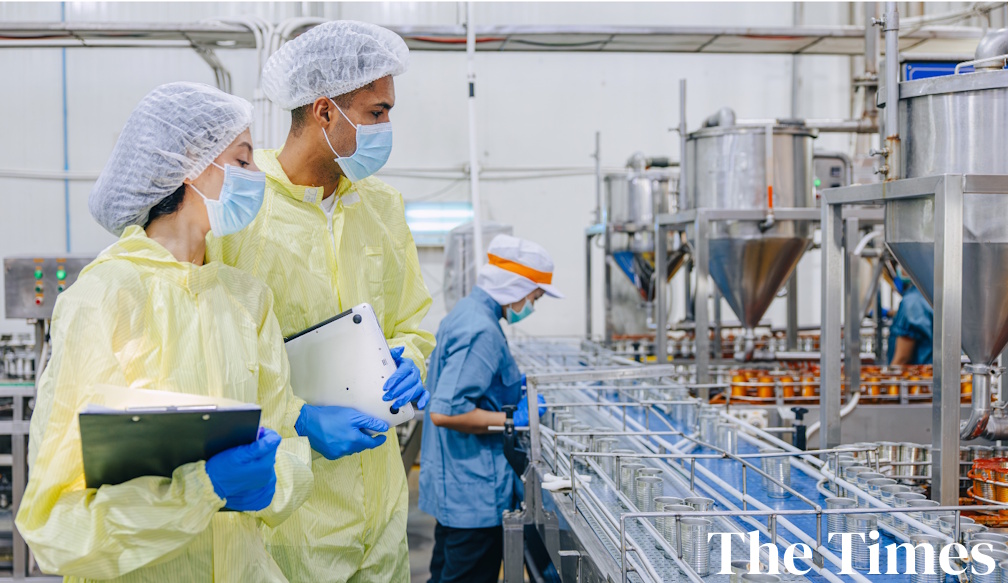
Australians place enormous trust in the food they buy every day. Meat from supermarket refrigerators, packaged meals, fresh fruit and vegetables, dairy products, seafood and takeaway meals are generally assumed to be safe for consumption.
Behind that confidence sits one of the most complex and heavily monitored systems in the country.
Recent food recalls across Australia have again highlighted how important that system has become and how quickly public attention turns to food safety when something goes wrong.
Modern food supply chains are vast operations involving farmers, processors, freight companies, warehouses, laboratories, wholesalers, retailers and regulators. A single packaged product may contain ingredients sourced from multiple regions or countries before reaching Australian supermarket shelves. Fresh produce may travel thousands of kilometres under refrigeration before sale.
The scale of Australia’s food distribution network means even minor failures can quickly become national issues.
When contamination concerns arise, products may be removed simultaneously from major supermarket chains, independent grocers, convenience stores and food service operators. What may begin as a problem in one processing facility or supply chain stage can rapidly affect consumers across multiple states.
For consumers, recalls can be alarming. For businesses, they can be devastating.
Food manufacturers spend years building public trust in their brands. A single contamination event or product recall can damage consumer confidence almost instantly. In the modern media environment, social media posts and online reporting can spread concerns nationally within hours, even before formal investigations are completed.
Premium food brands are especially exposed because they rely heavily on reputation, quality and trust. Consumers purchasing premium meat, dairy, organic produce or infant products expect exceptionally high standards and may quickly change purchasing habits following negative publicity.
Australia’s major supermarket chains are acutely aware of these risks and invest heavily in food safety systems.
Cold-chain logistics, supplier auditing, temperature monitoring, batch tracking and laboratory testing form part of everyday operations across the retail sector. Advanced tracing systems can often identify affected batches rapidly, allowing targeted recalls before larger public health incidents occur.
Importantly, many recalls are precautionary measures rather than evidence of widespread illness. In many cases, products are withdrawn because testing identifies a potential issue before consumers are harmed.
That precautionary approach is one reason Australia maintains a strong international reputation for food safety.
Australia’s agricultural and food industries are major export earners. Australian beef, seafood, wine, dairy products and infant formula are sold globally and marketed heavily on the country’s reputation for quality and cleanliness. Maintaining confidence in Australian food standards is therefore not simply a health issue but also an economic priority.
The growing complexity of food manufacturing has also increased public focus on product labelling and expiry dates.
Many Australians remain uncertain about the difference between “use by” and “best before” dates. A “use by” date relates to food safety and products should generally not be consumed after that date. A “best before” date relates more to quality, meaning products may still be safe to consume even if freshness or texture has declined.
Confusion between the two contributes both to food waste and potential health risks.
Australia’s food safety framework relies on multiple layers of protection including farm practices, manufacturing standards, refrigeration systems, transport procedures, laboratory testing and retailer oversight. While recalls may attract headlines and concern consumers, they also demonstrate that monitoring systems are functioning and that businesses are acting when risks are identified.
As Australia’s food supply chains continue to expand and consumer expectations rise, the importance of quality control at every stage of the food chain will only grow further.
Food safety is no longer simply a back-room operational issue for manufacturers and supermarkets. It has become central to consumer trust, public health and the reputation of Australian food itself.