One Nation and Pauline Hanson: When protest becomes prevention
- Written by: The Times
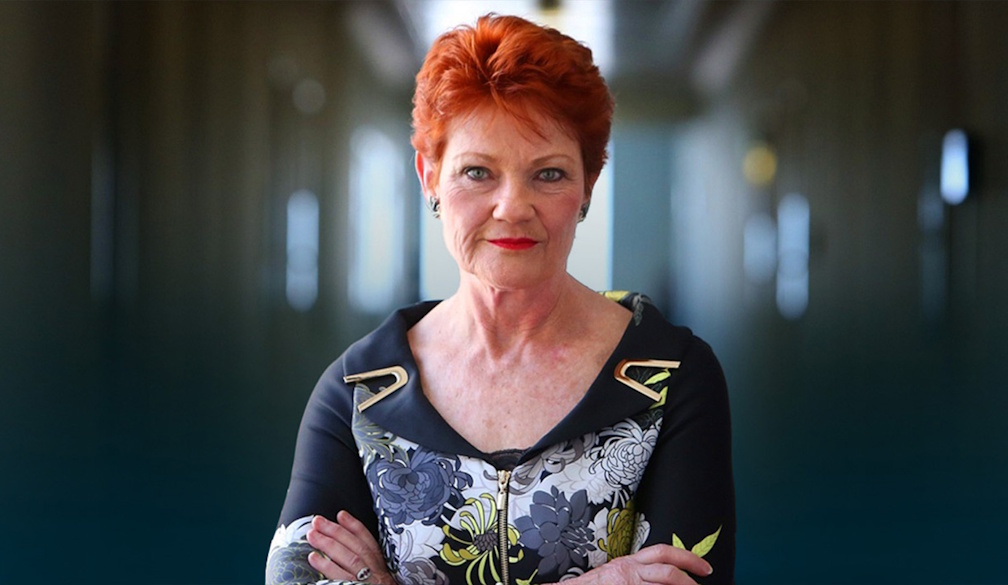
Australia has a long tradition of political disagreement. Elections are contested fiercely, opinions are expressed openly and public meetings have historically provided a place for people to hear ideas, ask questions and challenge those seeking support.
In recent years, however, a different trend has emerged. Increasingly, political events are facing organised campaigns designed not simply to oppose a speaker's views, but to prevent the event from taking place at all.
The latest controversy surrounding meetings involving Pauline Hanson has once again brought the issue into focus. Supporters argue she has every right to address an audience willing to hear her views. Opponents argue they have every right to protest against positions they consider harmful or unacceptable.
Both claims are valid within a democratic society.
The challenge arises when protest moves beyond disagreement and becomes an attempt to shut down discussion altogether.
Venue owners often find themselves caught in the middle. Faced with organised pressure campaigns, threats of disruption or concerns about safety, some decide it is easier to cancel a booking than become involved in a political controversy. While such decisions may be understandable from a business perspective, they raise broader questions about the health of public debate.
Democracy depends upon more than the right to vote. It also depends upon the ability of citizens to gather, listen, question and debate.
Many Australians may strongly disagree with Hanson's views. Others may support them. The principle at stake, however, extends well beyond any individual politician.
If a political meeting can be cancelled because opponents object to the speaker, what happens when the same tactics are directed at someone else? A Labor minister, a Coalition candidate, an environmental activist or a union representative could all find themselves facing the same pressure.
The test of a democratic society is not how it treats popular opinions. Popular opinions rarely need protection. The true test is whether unpopular opinions are permitted to be heard.
This does not mean criticism should be silenced. Quite the opposite. Protest is an important democratic right. Peaceful demonstrations, public criticism and vigorous debate are all legitimate ways for Australians to express disagreement.
The question is whether the goal should be to challenge ideas or prevent them from being expressed altogether.
History suggests that driving opinions underground rarely causes them to disappear. More often, it can strengthen the belief among supporters that their views are being unfairly suppressed. Open debate, by contrast, allows ideas to be examined, challenged and tested in public.
Australians have traditionally valued common sense and fairness. Part of that tradition has been a willingness to allow people to speak, even when many disagree with what is being said.
As political divisions become sharper and public debate increasingly moves online, preserving that principle may become more important than ever.
Democracy is not strengthened when meetings are cancelled. It is strengthened when citizens have the confidence to hear opposing views, challenge them openly and allow the public to decide which arguments are worthy of support.
The right to protest matters. The right to speak matters too. A healthy democracy requires both.