Community Sport: One of Australia's Best Investments
- Written by: The Times
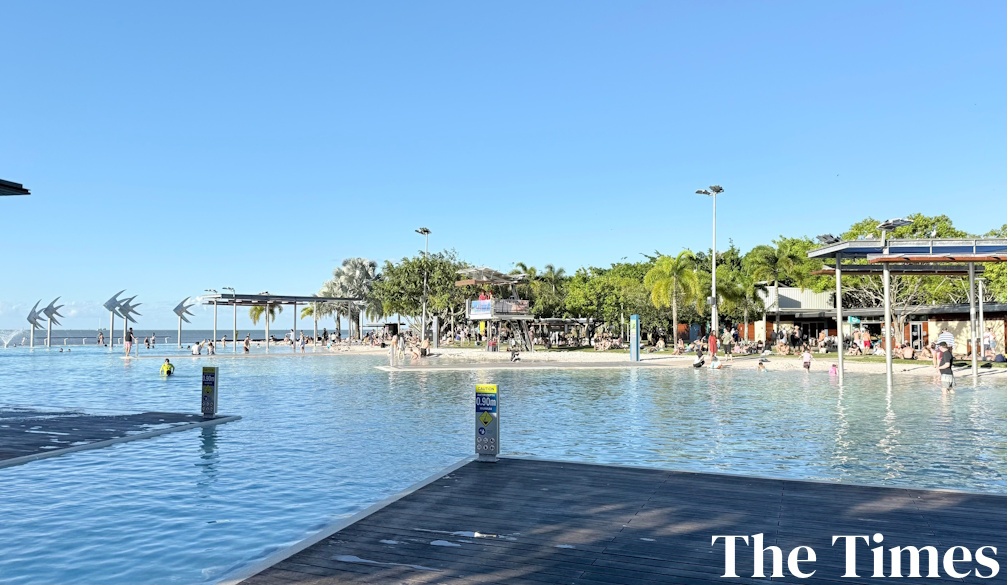
Every weekend, millions of Australians gather on sporting fields, courts and swimming pools. Behind every junior football match, netball game or athletics carnival is a network of volunteers, parents, coaches and governments working together to build something far more valuable than sporting success.
Community sport has long been supported by all three levels of government. The Commonwealth provides grants for national participation programs and major sporting initiatives. State governments help fund sporting organisations, regional facilities and school participation programs. Local councils maintain the grounds, playgrounds, lighting, clubhouses and parks where community sport comes to life.
The investment is substantial, but so too are the returns.
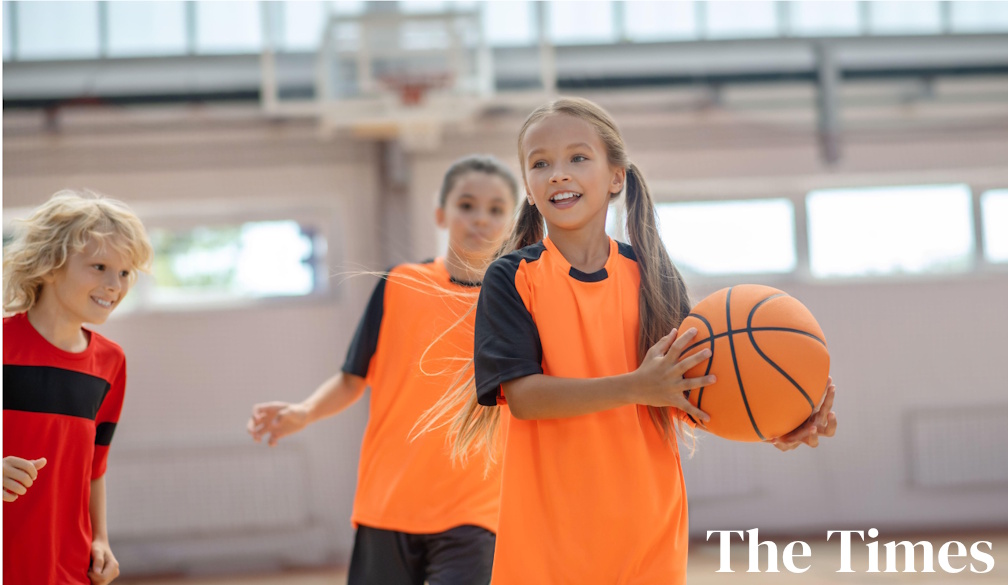
For children, organised sport offers far more than physical exercise. It introduces discipline, teamwork, resilience and the importance of commitment. Young players learn that improvement comes through practice, that victories should be celebrated with humility and that defeats are opportunities to improve.
These are lessons that extend well beyond the sporting field.
Parents also benefit. Weekends at local sporting clubs create friendships that often last for years. Families become connected to their communities through coaching, volunteering, fundraising and simply supporting one another from the sidelines.
In many suburbs and regional towns, the local sporting club is one of the few places where people from different occupations, backgrounds and generations regularly come together.
The health benefits are equally significant.
Encouraging children to participate in regular physical activity can establish habits that continue throughout adulthood. Parents who become involved frequently find themselves becoming more active as well, whether through coaching, walking around the grounds, joining social competitions or simply sharing an active lifestyle with their children.
This has implications beyond individual wellbeing. Greater physical activity can contribute to lower rates of chronic disease, improved mental health and reduced pressure on Australia's health system over the long term.
Community sport also produces economic benefits.
Sporting clubs employ coaches, administrators and maintenance staff. They purchase equipment, uniforms and catering while supporting local retailers and service businesses. Weekend competitions generate activity for cafés, sporting goods stores and local businesses across Australia.
Regional communities often experience these benefits most directly, with sporting carnivals attracting visitors who spend money on accommodation, restaurants and local attractions.
Perhaps the greatest value, however, cannot easily be measured.
Children discover confidence.
Teenagers develop leadership.
Adults build friendships.
Communities strengthen their sense of belonging.
At a time when concerns about loneliness, screen time and social isolation continue to grow, community sport remains one of Australia's most successful ways of bringing people together.
Funding sporting clubs is therefore about much more than maintaining football fields or upgrading clubrooms.
It is an investment in healthier Australians, stronger families and more connected communities.
The Times View
Government spending is often judged by immediate financial returns. Community sport reminds us that some of the most valuable investments deliver their greatest rewards over decades rather than years.
Every child who joins a local sporting club gains more than the chance to win a game. They become part of a community that teaches cooperation, responsibility and resilience—qualities that strengthen Australian society long after the final whistle.