Victorian election 2026: What’s on voters’ minds and when will we know who won?
- Written by: The Times
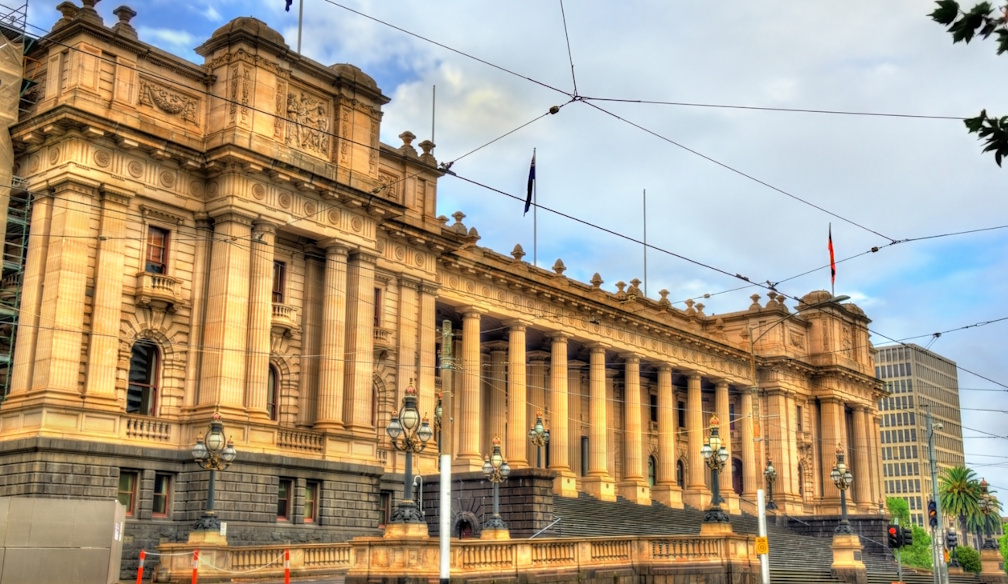
Victorians vote on Saturday, 28 November, with household costs and community safety dominating the campaign. There are 88 lower-house seats and 40 upper-house seats at stake, and a former Essendon premiership player is among the candidates.
A Victorian voter can be worried about the mortgage, the safety of the local shopping strip and the state’s debt at the same time. That combination explains much of this election. The immediate question for many households is whether life will get more affordable. The question for the next government is how much room it has in the budget to do something about it.
Premier Ben Carroll is seeking a fourth consecutive term for Labor after nearly 12 years of Labor government. Liberal leader Jess Wilson is leading the Liberal–National Coalition into the election, with late-campaign polling putting the Coalition ahead. Ellen Sandell’s Greens and Warren Pickering’s One Nation are also competing for votes that could shape individual contests and the balance of power in Parliament.
What are voters worried about?
The cost of living comes first. In a late October and early November DemosAU survey that asked Victorians to name the state’s biggest issue in their own words, 41 per cent mentioned household finances or the cost of living. Crime and community safety came next at 26 per cent, followed by state debt, the budget and spending at 11 per cent, and housing and homelessness at 8 per cent. Respondents could raise more than one concern.
Some of the biggest pressures on household budgets, including mortgage interest rates, sit outside the Victorian government’s control. State decisions still show up in everyday bills through public transport fares, road tolls, vehicle registration and taxes. Labor has highlighted its public transport and registration relief. The Coalition has promised to lift the stamp duty-free threshold to $1 million for first-home buyers.
Crime and community safety have put policing, bail and youth offending at the centre of the campaign. A family worried about an aggravated burglary and a retailer dealing with repeat theft may both put safety high on their list. Their experiences raise different questions about police response, court decisions and what happens after an offender is released.
State debt and spending connect many of the other issues. Voters are being asked to weigh tax cuts and household relief against the cost of hospitals, schools, roads and major projects such as the Suburban Rail Loop. In a growing outer suburb, the test might be whether a school or a bus service arrives when families need it. In a regional town, it might be the condition of the highway or the time it takes to get specialist care.
Housing cuts across those concerns. First-home buyers want to know whether they can afford to buy near work or family. Renters face a more immediate question about what they can afford when their lease comes up for renewal. Planning decisions, new housing supply and the location of transport and services will matter well beyond election day.
Which parties are standing?
The Victorian Electoral Commission announced 1,037 nominations at the close of nominations, with 734 for the Legislative Assembly and 303 for the Legislative Council.
Labor, the Liberals, the Nationals, the Greens and One Nation Victoria are all fielding candidates. Other parties appearing on ballots include Victorian Socialists, Family First, Legalise Cannabis Victoria, the Animal Justice Party, the Libertarian Party, Shooters, Fishers and Farmers Party Victoria, Labour DLP, Affordable Housing Now – Sustainable Australia Party, The Republican, The West Party, the Australian Democrats, Socialist Alliance and the Citizens Party.
Free Palestine, Climate Action Now, I’m Voting to Avoid the Fine, Christian Alliance Party – Reform AU and Safety Victoria – Violent Crime Prevention also have candidates. Independents are standing in both houses. The choice on each ballot depends on the voter’s district and region.
The familiar names on the ballot
The standout sporting name is John Barnes, who is running for One Nation in the lower-house seat of Essendon. Barnes played in Essendon’s 2000 AFL premiership team and serves on Moonee Valley City Council. He is contesting an open seat following the retirement of Labor MP Danny Pearson.
One of the better-known political names is Moira Deeming, the former Liberal MP standing for Family First in the Western Metropolitan Region. Her bid is for an upper-house seat, where a party can win representation by drawing support across several lower-house districts.
How many seats are in each house?
| House | Seats | What the vote decides |
|---|---|---|
| Legislative Assembly, or lower house | 88 | Each district elects one MP. A party or coalition needs 45 seats for an outright majority. |
| Legislative Council, or upper house | 40 | Eight regions elect five members each by proportional representation. The council reviews legislation and may amend or reject bills. |
The lower house determines who can form government. If no party or coalition wins 45 seats, support from independents or minor parties can become decisive. The upper house has its own contest. Even a government with a clear lower-house majority may need to negotiate to pass legislation.
How much is the Victorian Premier paid?
The Victorian Premier’s annual salary is $464,194. That consists of the $219,391 base salary paid to an MP and $244,803 in additional salary for holding the office of Premier.
The office also carries a separate annual expense allowance of $66,732, bringing the salary and that allowance to $530,926 under the rates that took effect on 1 July 2026.
When will the results be known?
Polling places close at 6 pm Victorian time on Saturday, 28 November, and counting begins soon afterwards. The commission plans to count ordinary lower-house votes, early votes cast within a voter’s district and some postal votes on election night. If enough seats show clear results, election analysts could call who is likely to form government on Saturday evening.
A close race for the 45th seat could take days to resolve. Eligible postal ballots can arrive until 6 pm on Friday, 4 December, and some contests will depend on a full distribution of preferences. The upper-house count takes longer because each region elects five members and the final seats can depend on how preferences flow.
| Milestone | Expected timing |
|---|---|
| Polls close and counting begins | 6 pm, Saturday 28 November |
| Deadline for eligible postal ballots to arrive | 6 pm, Friday 4 December |
| Formal lower-house declarations | 9–15 December |
| Formal upper-house declarations | 16–18 December |
| Election writs due to be returned | By Saturday 19 December |
The Times View
Two numbers will tell the story of election night. The first is 45, the number of seats needed to govern with a majority. The second is how many Legislative Council votes the new government can count on when it brings its first bills to Parliament. Saturday may tell Victorians who gets to govern. The upper-house count will help show how much of the election program that government can deliver.