

The New Geography of Trade: Why Distant Wars Affect Australian Prices
- Written by: The Times
For generations Australians thought of wars as tragic events taking place somewhere else. They were reported on the evening news, but rarely changed everyday life at home.
That assumption no longer holds true.
Today, a missile strike in Eastern Europe, an attack on a cargo vessel in the Red Sea or renewed tensions in the South China Sea can affect the price Australians pay for groceries, fuel, household goods and even home building materials.
The world has become deeply interconnected.
Modern supply chains span continents. A single manufactured product may contain raw materials from Australia, components from China, electronics from Taiwan, software from the United States and final assembly in Vietnam before being shipped to customers around the world.
When one link in that chain is disrupted, the effects are felt everywhere.
The war in Ukraine provides a clear example.
Ukraine is a major exporter of grain, while Russia is a significant supplier of fertilisers and energy. Military attacks on ports, railways and storage facilities have repeatedly interrupted exports. Even when supplies continue to flow, uncertainty increases shipping costs and insurance premiums.
The result is higher prices that eventually reach supermarket shelves around the world.
The same pattern can be seen in the Middle East.
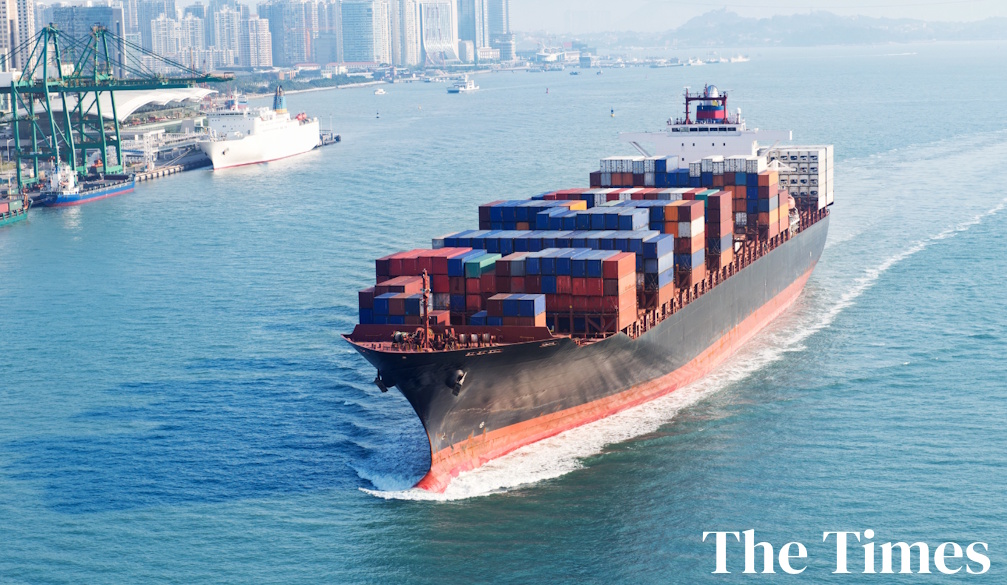
Attacks on commercial shipping through the Red Sea have forced many vessels to travel around southern Africa instead of using the Suez Canal. The longer voyage adds time, fuel costs and insurance expenses before goods eventually reach Australia.
Australian businesses cannot escape these realities.
Retailers must decide whether to absorb higher costs or pass them on to consumers. Manufacturers face increased prices for imported components. Farmers pay more for fertiliser, machinery and transport.
Even industries that appear unrelated can be affected.
Construction companies rely on globally traded steel, timber, machinery and electrical equipment. Car dealers depend on complex international supply chains. Technology companies source components from multiple countries before products reach Australian consumers.
The lesson extends beyond economics.
Governments increasingly view reliable supply chains as part of national security. Australia has invested in strengthening domestic manufacturing in selected industries while diversifying trading relationships to reduce dependence on any single supplier or transport route.
Businesses are adapting as well.
Many now carry larger inventories than they once did, diversify suppliers across several countries and develop contingency plans for unexpected disruptions.
Consumers are adjusting too.
The pandemic first demonstrated how quickly supply chains could fail. International conflicts have reinforced that lesson. Australians now understand that global events can influence the availability and price of everyday products far more quickly than in previous decades.
This is the new geography of trade.
Distance still matters, but it no longer provides protection from economic shocks.
For Australia, success will increasingly depend on resilience—maintaining diverse trading partners, investing in efficient infrastructure, encouraging domestic capability where practical and remaining an active participant in the global economy.
The world may be vast, but modern commerce has made it remarkably small. Events unfolding thousands of kilometres away increasingly shape the choices, prices and opportunities facing Australian households and businesses every day.