Immunisation in Australia: Are Communicable Diseases Getting the Upper Hand?
- Written by: The Times
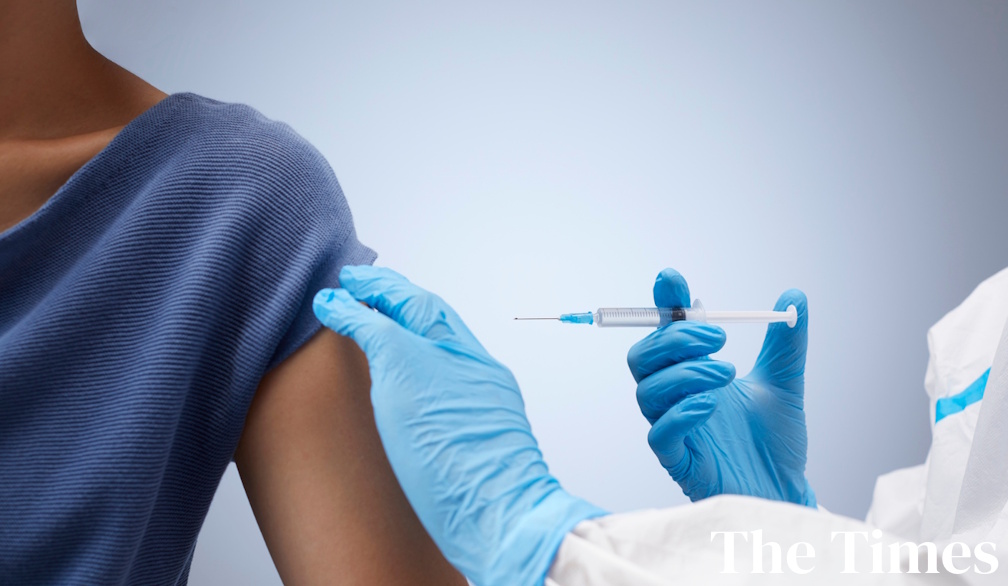
Australia has long been regarded as one of the safest countries in the world for public health, vaccination programs and disease control. Yet in recent years, health authorities have been issuing increasingly urgent warnings about the return of diseases once considered rare, controlled or nearly eradicated.
The question many Australians are now asking is simple: are communicable diseases beginning to regain the upper hand?
From measles outbreaks to concerns surrounding influenza, whooping cough and new COVID variants, the conversation around immunisation has returned to the forefront of Australian life.
Vaccination Has Been One of Australia’s Greatest Health Successes
Modern immunisation programs have saved countless Australian lives.
Vaccines have dramatically reduced or controlled diseases such as:
- Polio
- Measles
- Mumps
- Rubella
- Diphtheria
- Tetanus
- Hepatitis
- Meningococcal disease
- Whooping cough
For decades, Australians became accustomed to living in a country where many serious infectious diseases were rarely seen.
That success, however, may also have created complacency.
Health authorities warn that declining vaccination rates in some communities, combined with global travel and large migration movements, create conditions where infectious diseases can spread more easily.
What Vaccinations Are Required for Babies?
Australia maintains a structured National Immunisation Program designed to protect children from birth.
Babies are generally vaccinated at:
- Birth
- 6 weeks
- 4 months
- 6 months
- 12 months
- 18 months
These vaccinations commonly protect against:
- Hepatitis B
- Rotavirus
- Diphtheria
- Tetanus
- Whooping cough
- Polio
- Pneumococcal disease
- Meningococcal disease
- Measles
- Mumps
- Rubella
- Chickenpox
Vaccination records are closely linked to family payments and childcare eligibility through the Australian Immunisation Register.
The policy reflects the view that widespread vaccination protects not only individuals, but entire communities.
Preschool and School-Age Immunisation
Children entering preschool and primary school are expected to have up-to-date vaccination records.
Additional immunisations are often administered during school years, including protection against:
- Human papillomavirus (HPV)
- Meningococcal disease
- Booster shots for tetanus and whooping cough
Schools are considered environments where viruses can spread rapidly due to close contact among large numbers of children.
Health authorities therefore place heavy emphasis on maintaining strong vaccination coverage in younger age groups.
What About Adults?
Many adults wrongly assume childhood vaccinations provide lifetime protection.
In reality, immunity can weaken over time.
Australian health authorities strongly encourage adults to maintain boosters for:
- Tetanus
- Diphtheria
- Whooping cough
- Influenza
- COVID-19
Older Australians are also encouraged to receive vaccinations against:
- Shingles
- Pneumococcal disease
- Seasonal influenza
Pregnant women are commonly advised to receive vaccinations that protect both mother and baby.
Mass Immigration and Health Screening
Australia remains one of the world’s largest immigration nations on a per-capita basis.
Each year, hundreds of thousands of people arrive through:
- Skilled migration
- Student visas
- Humanitarian programs
- Tourism
- Temporary work visas
This inevitably raises questions regarding communicable disease management.
Migrants applying for permanent residency are generally required to undergo health examinations. Depending on their country of origin and visa category, applicants may be screened for conditions such as:
- Tuberculosis
- Hepatitis
- HIV
- Other infectious diseases
However, vaccination requirements vary depending on visa type and country circumstances.
Unlike some nations, Australia does not universally require every migrant to be fully vaccinated against all diseases before entry.
Public health experts note that international movement of people naturally increases the possibility of infectious disease transmission, particularly in densely populated cities and transport hubs.
Have Eradicated Diseases Returned?
One of the greatest concerns among health authorities is the reappearance of diseases once thought largely controlled.
Australia has seen periodic outbreaks of:
- Measles
- Whooping cough
- Influenza strains
- Tuberculosis clusters
Measles is particularly concerning because it is highly contagious.
While Australia previously achieved measles elimination status, imported cases from overseas travellers have occasionally triggered outbreaks.
Globally, falling vaccination rates in some countries have contributed to measles resurging internationally.
Health authorities fear that even small declines in immunisation coverage can create vulnerabilities.
COVID Changed Public Awareness Forever
The COVID-19 pandemic fundamentally altered how Australians think about viruses and disease transmission.
For many people, COVID provided a real-world demonstration of how quickly infectious diseases can spread across borders.
Australians witnessed:
- Border closures
- Lockdowns
- Mask mandates
- Vaccine campaigns
- Hospital system pressure
- Supply chain disruption
- Workforce shortages
COVID also highlighted how interconnected the modern world has become.
A virus emerging overseas can now reach Australian cities within hours through international air travel.
While the pandemic created political division around vaccines in some circles, it also reinforced the importance of public health preparedness.
Health Precautions Still Matter
Medical experts continue to encourage practical health precautions including:
- Staying up to date with vaccinations
- Hand hygiene
- Staying home when sick
- Protecting elderly and vulnerable people
- Seeking medical advice early
- Monitoring travel health alerts
For parents, immunisation remains one of the most effective ways to protect children from serious illness.
For governments, the challenge is balancing open borders and migration with public health safeguards.
A New Era of Global Disease Risk
Australia remains one of the healthiest and safest nations in the world, but experts warn the country cannot become complacent.
Global migration, international travel, urban density and vaccine hesitancy are reshaping the communicable disease landscape.
The diseases of the past have not entirely disappeared.
In some cases, they may simply have been waiting for an opportunity to return.