Can Angus Taylor get beyond slogans to craft a sound immigration policy?
- Written by: Michelle Grattan, Professorial Fellow, University of Canberra
This week we pressed the rewind button on the Pauline tape, back to Hanson maxing out with inflammatory statements about Muslims, attracting a blaze of publicity and widespread outrage.
Or, given One Nation’s surging polls, have we pushed the fast forward button, to when Hanson’s party joins the big league? The March 21 South Australian election, followed by the Farrer byelection for Sussan Ley’s seat, will provide clues.
Hanson told Sky on Monday, “I’ve got no time for the radical Islam. Their religion concerns me because of what it says in the Quran. They hate Westerners and that’s what it’s all about. You say, ‘Oh well, there’s good Muslims out there.’ I’m sorry, how can you tell me there are good Muslims?”
She subsequently only partially qualified her blanket condemnation of Muslims.
Her extreme comments left Barnaby Joyce, her new recruit, uncomfortable. They also brought notable pushback from prominent Nationals senator Matt Canavan. The Liberals and Nationals will be going head-to-head against One Nation in Farrer. They will need to take it on robustly.
Hanson is exploiting rifts in Australia’s social cohesion while tearing further a fabric in its poorest shape in recent memory. As the Muslim community this week entered Ramadan, with threats made to the Lakemba Mosque, Hanson’s outbursts will make the security agencies even more nervous.
The Middle East conflict took a big toll on our cohesion. The Jewish community suffered attacks amid soaring antisemitism, culminating in the horrific Bondi massacre. Incidents against Muslims increased. Demonstrations divided the public. Many Australians are on edge. Tensions have escalated, tolerance has plummeted.
We see this in the blow up over the so-called ISIS brides and their children, who want to come to Australia.
The debate isn’t new. It stretches back to the prime ministership of Scott Morrison, and the repatriation of a handful of children. Morrison condemned the parents for a “despicable” act in putting them in harm’s way, but said “the children can’t be held responsible for that”.
The Coalition, eyeing voters lost to One Nation, is demanding the brides and their families never get here. Asked about the children, Liberals admit their situation but say it is their parents’ fault.
For his part, Anthony Albanese has now toughened his rhetoric, declaring, “My mother would have said if you make your bed, you lie in it”.
“Shut the door!” says Taylor, offering to support fresh legislation if necessary. The keep-them-out chorus will play well with many people, especially in the present climate. The women joined terrorists fighting against Australia’s interests and values.
Moreover, there are increasing questions about how honest the government has been in what it said and did in reacting to lobbying to get them home. It still has much to answer.
But on the substantive issue, these are Australian citizens and as such are entitled to come to Australia. (Though there are legal provisions for exclusion orders on security advice and the government has taken that route with one person. There are also some other legal loopholes in relation to granting passports.)
Australia claims the right to demand that countries should take back their citizens when we deport them under our laws. Legislation was passed last year to potentially penalise those that refuse to do so.
In the same way, Australia should recognise its obligations to accept its own citizens, however much it mightn’t want to do so. This goes beyond legality – it is also a moral responsibility.
But, the critics shout, they pose a risk. To a degree perhaps, including because some of the older children may have been radicalised. But whatever risk there might be is one that could be managed. The cohort is fewer than three dozen. Women who have broken Australia’s law by their actions should be charged when they return; the others, including minors where necessary, should be monitored by police and ASIO. It’s not ideal but if you admit the moral argument, it’s the price we pay.
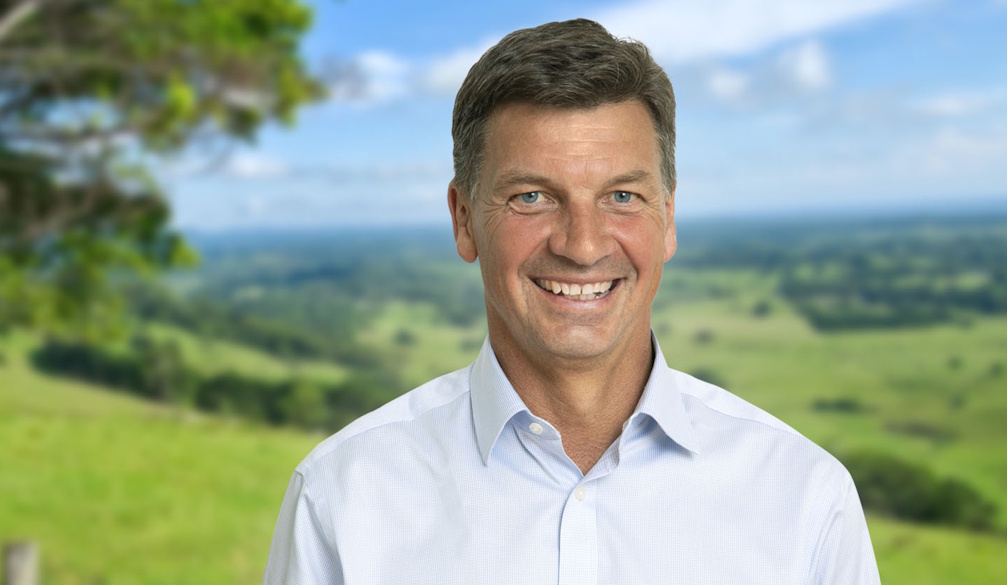
It’s against the background of today’s hyped-up community feeling that Angus Taylor will craft an immigration policy that, presumably, he will release ahead of the Farrer byelection. Devising the policy will be harder than his slick slogan condemning the government’s policy - “numbers too high, standards too low” - as he is pulled between good policy and populist politics.
The policy has two dimensions: the size and composition of the intake and the issue of ensuring people accept and fit with Australian “values”.
The government already has migration numbers coming down. Net overseas migration was 306,000 in 2024-25, compared to 429,000 a year before. The budget projected 260,000 in 2025-26. The opposition wants it lower.
But it is tricky when it comes to the details. Cutting the permanent skilled migration intake would be bad for business and the economy - although the points system seems totally out of whack, when people get points for characteristics that have nothing to do with their likely economic and social contribution to Australia.
Reducing those on temporary visas is also difficult. The care economy and many businesses rely heavily on these workers. Are there too many students? Perhaps – but universities need their fees: in 2024 they provided more than a quarter of their revenue. Education is also a huge export industry. What about backpackers? But how would many farmers cope without them? There are multiple stakeholders Taylor’s policy will have to consider in slicing numbers.
The “values” side of the policy will be even harder. A draft policy prepared in the Ley office proposed designating regions where terrorist organisations have sustained control, banning people coming from them for a period. Home affairs and immigration spokesman Jonno Duniam says this is not part of the policy now being worked on.
Whatever the scope for toughening the scrutiny for migrant entry, permanent residency and citizenship, ensuring people have the right values is an elusive quest. One of the Bondi shooters came from India and had been here for decades; his son, who faced court this week, was born an Australian. There are no guarantees, and sometimes it’s a matter of vigilance.
The values people arrive with are important, but values need constant reinforcement, in all parts of society, including through the education system and the political system.
As part of this, a lot more political attention should be paid to our multiculturalism which is at risk of a serious unravelling. Multiculturalism requires social licence and among some Australians that is diminishing before our eyes.