

Angus Taylor appoints Tim Wilson as part of a new-look Liberal economic team
- Written by: Michelle Grattan, Professorial Fellow, University of Canberra
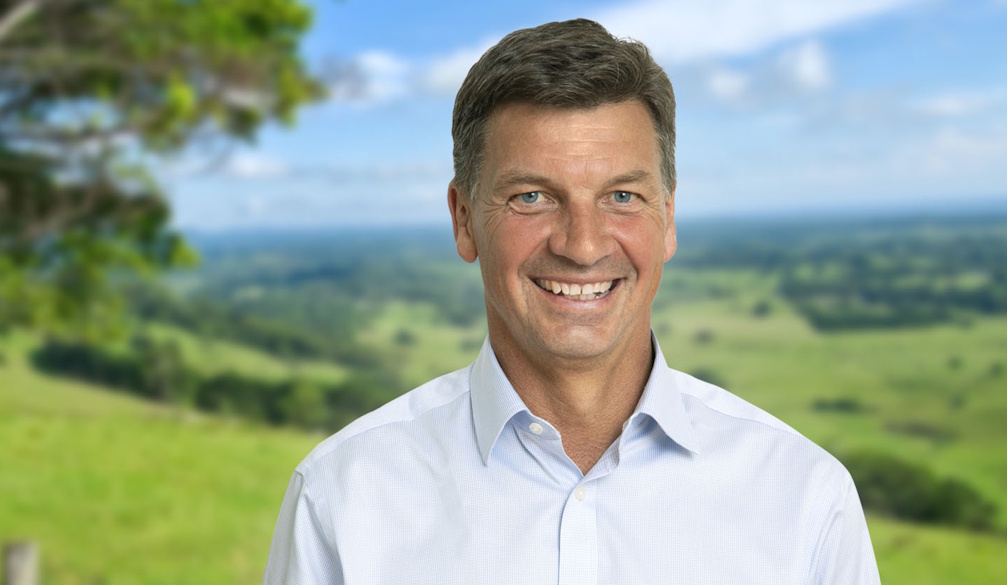
Opposition Leader Angus Taylor has appointed Tim Wilson, the only Liberal to win back a “teal” seat last year, to go head-to-head as shadow treasurer against the Treasurer, Jim Chalmers.
Deputy Liberal leader Jane Hume will take on a major economic role as shadow minister for employment, industrial relations, productivity and deregulation, in an extensive reshuffle of the opposition frontbench.
Taylor said the new shadow frontbench blended “proven experience with the next generation of Coalition talent”. It was designed to do two main things “one, prosecute Labor’s failures,” and “two, ensure the Coalition is ready to govern and change Australia for the better,” he said.
The changes promote key Taylor supporters and dump or demote key backers of former leader Sussan Ley. But notably Taylor also has moderates in significant positions, in a bid to foster some unity as a fractured party.
Andrew Hastie, who quit Ley’s shadow ministry, and Jacinta Nampijinpa Price, who was sacked, are both back in the frontbench lineup, in senior posts.
Hastie, who wanted to run for leader but stepped back under factional pressure, becomes shadow minister for industry and sovereign capability. He also will be deputy leader in the House of Representatives, a new position created to deal with the fact the party deputy is in the Senate.
Hastie will be a controversial choice with business, given his views on industry policy are more interventionist than those of Taylor, a classic economic “dry”. Hastie was anxious for an economic post after the election and annoyed with Ley when he did not get one.
Price will be spokeswoman for small business, skills and training, in shadow cabinet.
In another major move, conservative factional power broker James Paterson shifts from shadow finance minister to defence spokesman. While defence is a prestigious post, previously held by Taylor, it does not, in the normal course of events, give as much scope for a high public profile as finance does.
Paterson’s old job of finance, government services and the public service goes to Claire Chandler, 35, elevated into shadow cabinet as one of the biggest winners in the reshuffle.
Those off the frontbench include Ley’s numbers man Alex Hawke, Paul Scarr (formerly immigration spokesman), and Andrew Wallace (former shadow attorney-general), as well as Melissa Price and Scott Buchholz. Angie Bell and Kerryanne Liddle have been demoted.
Leader of the moderates Anne Ruston, one of Ley’s strongest supporters, retains health and aged care but has had some responsibilities moved elsewhere.
Strong Taylor backer Tony Pasin will be shadow minister for scrutiny of government waste and accountability, in the outer shadow ministry. Another backer, Phillip Thompson, has been put in shadow cabinet as shadow minister for defence industry and personnel.
Ted O'Brien, previously shadow treasurer, who lost his position as deputy leader to Hume, becomes shadow foreign minister, a plum post. He’s a Chinese speaker.
Wilson, 45, who defeated teal Zoe Daniel to regain the Victorian seat of Goldstein, and is one of the most indefatigable Liberal MPs, was previously spokesman on industrial relations under Ley.
He campaigned strongly before the 2025 election against Labor’s planned superannuation tax on unrealised gains – the government post-election dropped this part of its proposed changes. He is seen by the opposition as likely to get under Chalmers’ skin. One Liberal source describes him as unembarrassable.
Wilson told Tuesday’s news conference, which featured the new economic team, “hope is on the way.”
In an immediate attack, Chalmers said: “Tim Wilson strikes me as another typical Liberal. He’s long on ego, arrogance and entitlement and short on empathy or understanding.
"This is the same guy who floated the privatisation of Medicare, argued against penalty rates, and called for the dismantling of compulsory super for workers.”
Sarah Henderson, a Taylor ally excluded from the frontbench by Ley, becomes shadow minister for communications and digital safety, and is in the shadow cabinet. Henderson is a fervent critic of the ABC.
Jonno Duniam, a conservative faction leader, stays in home affairs – he also has immigration added to his shadow portfolio. Previously, immigration was a separate post, in the hands of a moderate, Scarr, who sought to temper the harder line push on the issue. One of Taylor’s immediate tasks is to shape an immigration policy, for early release.
Unsurprisingly, the Nationals rebels who broke shadow cabinet solidarity, which briefly split the Coalition, are immediately back in on the frontbench, in their old jobs, as are all the other frontbench Nationals who resigned in support of them. Under the deal Ley did with Nationals leader David Littleproud, there would have been a hiatus on getting together the frontbench until early March.
Dan Tehan retains the energy portfolio and becomes manager of opposition business in the House.
In other appointments:
-
Michaelia Cash moves from foreign affairs to become shadow attorney-general, a post she has held previously.
-
Matt O'Sullivan becomes shadow minister for “choice in child care and early learning”, a title that signals the Taylor opposition will diverge significantly in child care policy from the Albanese government.
-
Melissa McIntosh will be spokeswoman on women, social services and the NDIS.
-
Julian Lesser retains education and adds Indigenous Australians. His appointment to the latter post is significant, given his views. He supported the Voice referendum and was at odds with Price.
-
Andrew Bragg retains housing and also takes on environment. Bragg is one of the most prominent moderates and a notable choice for environment, a post previously held by Bell who struggled during the negotiations over the Environment Protection and Conservation Act last year.
-
James McGrath continues as shadow special minister of state but is out of the shadow cabinet.
-
Aaron Violi is promoted to the frontbench as spokesman on the digital economy.









