How are Australians adapting to climate change? Here are 729 ways
- Written by: Tia Brullo, Research Fellow in Climate Change Adaptation, The University of Melbourne
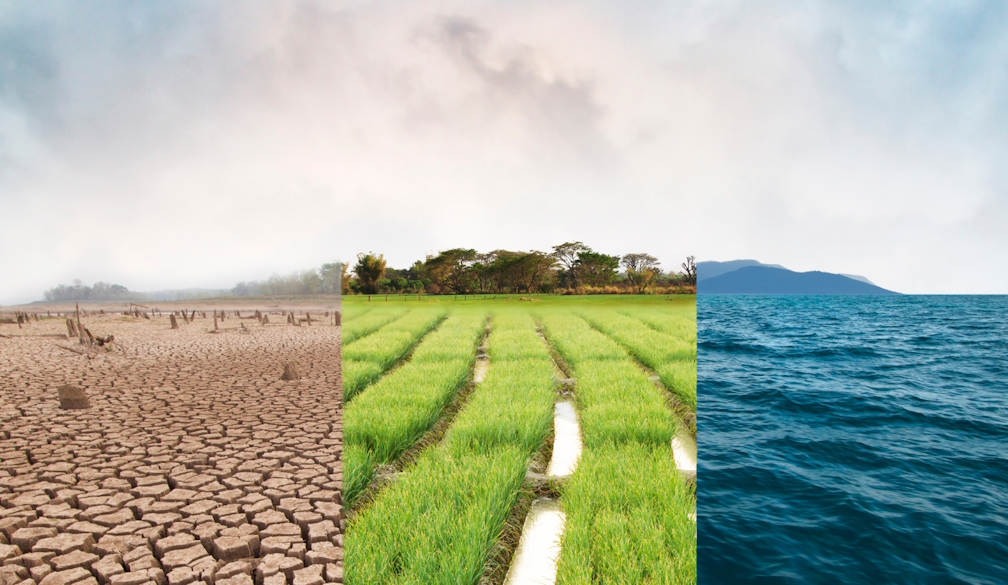
Australia’s climate is changing[1]. To avoid catastrophic disruptions from successive supercharged disasters, society must adapt. But change takes time and it’s not always clear how much progress we’re making.
We wanted to find out what Australia’s governments, industries and local groups are doing to adapt to climate change. Our work culminated in the Australian Adaptation Database[2], which captures more than 700 initiatives so far.
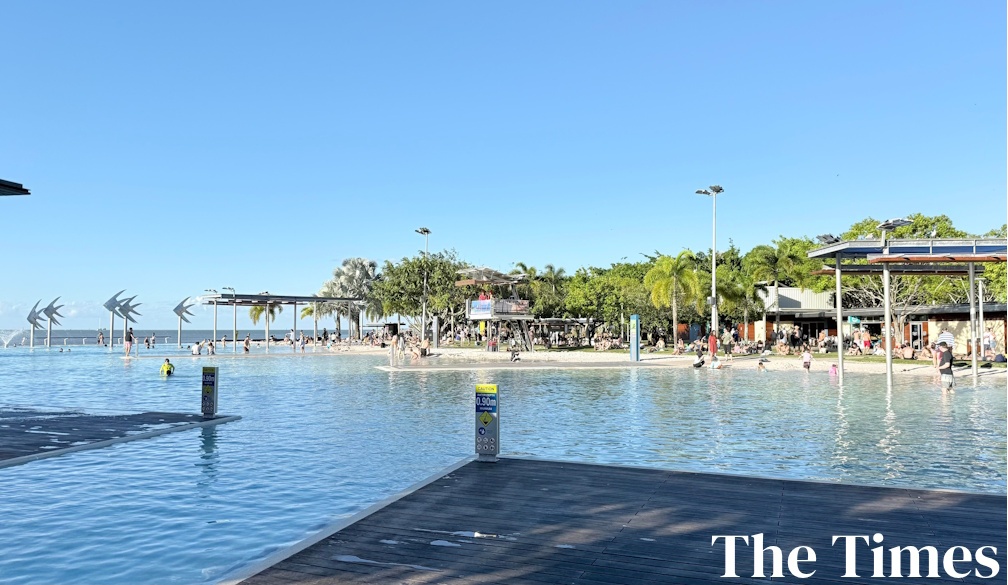
Standout examples from this first national stocktake include Ramblers Reef[3] in Victoria – an artificial reef of rocks and shells 500 metres offshore that has helped reduce coastal erosion. In Adelaide, urban cooling and greening[4] projects are transforming the city and suburbs across 17 councils[5] .
Our project shows climate adaptation is happening in Australia, but there’s plenty of room for improvement. The more society can do now to prepare for change, the better off we’ll be in the long run.

What does climate change adaptation in Australia look like?
Australia is lagging behind many other nations[7] when it comes to managing climate action. The federal government is yet to release its first national adaptation plan, while other countries[8] are up to their third or fourth versions[9].
Why track Australia’s progress in climate adaptation? First, it enables progress to be reported efficiently to governments and international bodies such as the United Nations.
The database also helps people share knowledge. Anyone striving to improve their resilience to climate change can look to the database for ideas and inspiration.
The data was mainly gathered from conversations[10] we had with people in state and territory government departments, local government associations, not-for-profit organisations and private companies across Australia.
On Wednesday, we will present the database at the opening of the national Climate Adaptation 2025[11] conference in Perth.
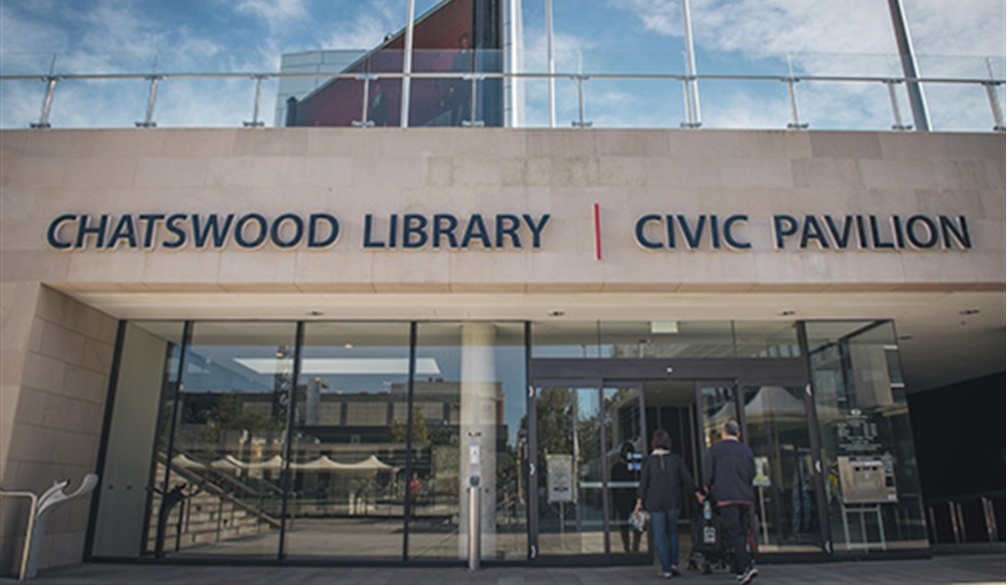
The project[12] shows the vast range of ways Australians are preparing for a warmer world. Examples include:
Anyone can explore and search[13] the database. It’s not an exhaustive record of all climate adaptation in Australia, but provides more detail than ever before. It’s constantly being updated as new examples are added.
But the database is only as good as the information we feed into it, so we need everyone to contribute. All you need to do is hit the “submit an entry” button on the homepage to get started.
Artificial reefs such as Ramblers Reef help slow erosion (ABC News)The role of government: local, state and federal
Much work to date in climate adaptation has involved laying the foundations for practical actions.
For example, South Australia’s Climate Ready Coasts[14] program aims to improve planning for coastal hazards. This joint effort between state and local governments make sense, given both have a role to play, and it helps ensure adaptation actions are efficient and coordinated.
At the federal level, the Australian government has focused on funding for national disasters such as the Future Drought Fund[15]. Another example, the Infrastructure Betterment Fund[16], involves making roads, rail, bridges and other infrastructure more resilient to climate change.
Australia is yet to release its first National Adaptation Plan[17]. This document is expected to clarify the federal role in climate adaptation.
The private sector
The private sector is beginning to adapt to climate change. Examples include:
Knowledge sharing and capacity building
We also found extensive efforts to communicate and share information about adapting to change.
Such activities include knowledge building for organisations and communities through workshops, training sessions and simulation games.
Examples include Western Australia’s “being waterwise in the home[18]” tips, and Hobart’s Sparking Conversations, Igniting Action Program[19] for bushfire preparedness. These activities help lay the groundwork for practical action.

What’s next?
Our research shows the policy and governance mechanisms to drive adaptation are largely in place. The knowledge and networks to support meaningful action are gradually being developed.
But the next “heavy lifting” phase – putting plans into action – is yet to begin in earnest.
There’s a clear need to channel funding to those best placed to deliver frontline projects and programs, especially local governments and community organisations.
The Australian Local Government Association is calling for a A$400 million climate adaptation fund[22] to support Australian councils to deliver place-based adaptation actions.
Last year, the Australian Council of Social Services called for a $2 billion investment in a national housing retrofit program[23] to make Australia’s 670,000 low-income houses cooler in summer to reduce illness and death from extreme temperatures[24]. Neither of these calls has been answered.
Let’s get moving
This research is part of a three-year project exploring how to encourage and promote best practice in adapting to climate change across Australia.
The next step is to measure progress around climate adaptation, which is difficult and rarely done[25] – even though it’s required under the Paris Agreement[26].
The good news is Australia has made a start, but there is much more to do to ensure the wellbeing of our country through a changing climate.
References
- ^ Australia’s climate is changing (theconversation.com)
- ^ Australian Adaptation Database (australianadaptationdatabase.unimelb.edu.au)
- ^ Ramblers Reef (nesp2climate.com.au)
- ^ cooling and greening (www.premier.sa.gov.au)
- ^ across 17 councils (www.greenadelaide.sa.gov.au)
- ^ Ozitraveler, Shutterstock (www.shutterstock.com)
- ^ lagging behind many other nations (theconversation.com)
- ^ other countries (unfccc.int)
- ^ third or fourth versions (napcentral.org)
- ^ conversations (australianadaptationdatabase.unimelb.edu.au)
- ^ Climate Adaptation 2025 (www.ivvy.com.au)
- ^ The project (australianadaptationdatabase.unimelb.edu.au)
- ^ search (australianadaptationdatabase.unimelb.edu.au)
- ^ Climate Ready Coasts (australianadaptationdatabase.unimelb.edu.au)
- ^ Future Drought Fund (australianadaptationdatabase.unimelb.edu.au)
- ^ Infrastructure Betterment Fund (australianadaptationdatabase.unimelb.edu.au)
- ^ National Adaptation Plan (www.dcceew.gov.au)
- ^ being waterwise in the home (australianadaptationdatabase.unimelb.edu.au)
- ^ Sparking Conversations, Igniting Action Program (www.sparkingconversations.com.au)
- ^ Markus Spiske, Unsplash. (unsplash.com)
- ^ CC BY (creativecommons.org)
- ^ A$400 million climate adaptation fund (alga.com.au)
- ^ national housing retrofit program (www.acoss.org.au)
- ^ illness and death from extreme temperatures (theconversation.com)
- ^ rarely done (www.nature.com)
- ^ Paris Agreement (unfccc.int)
Read more https://theconversation.com/how-are-australians-adapting-to-climate-change-here-are-729-ways-256446