New rules for cosmetic injectables aim to make the industry safer. Will they work?
- Written by: Christopher Rudge, Law lecturer, University of Sydney
New guidelines to regulate Australia’s booming cosmetic procedures industry have been called “tough[1]” and “a crackdown[2]” in media reports this week.
On Tuesday, the Australian Health Practitioner Regulation Agency (AHPRA) announced the new guidelines[3] – one for procedures, the other for advertising – and said it put the lucrative industry “on notice”.
The guidelines stem from AHPRA’s 2023 review of non-surgical cosmetic procedures – think injectables (such as Botox and dermal fillers), laser skin resurfacing, chemical peels, hair transplants and more.
That review was established only after AHPRA investigated widespread reports[4] about unsafe practices in cosmetic surgery in 2022, exposing[5] risks and deficiencies in both the surgical and non-surgical cosmetics sector.
These included the predatory targeting of under-18s, inadequate training for practitioners, and poor screening of patients. For example, 52-second telehealth consultations[6].
So, how tough are these guidelines? And can they be enforced?
What do the guidelines say?
The new rules aim to put safety before sales[7] and cover many more issues than any previous guidance.
They also fill a gap, as they apply to all health practitioners. Previously only doctors had clear guidelines[8], while nurses and midwives had been guided by a “position statement[9]” published by the Nursing and Midwifery Board of Australia[10].
These new rules ban financial incentives, discounts and other financial arrangements, such as “contra deals” – where Botox injections might be administered in exchange for restaurant meals, as occurred in one New South Wales case[11].
They also ban perks for social media influencers, who often[12] get free treatments[13].
The guidelines confirm influencers recruited by practitioners should not create unreasonable expectations of benefits for patients (which is already against the law if practitioners do it[14]). If influencers do, the recruiting practitioner will be responsible.
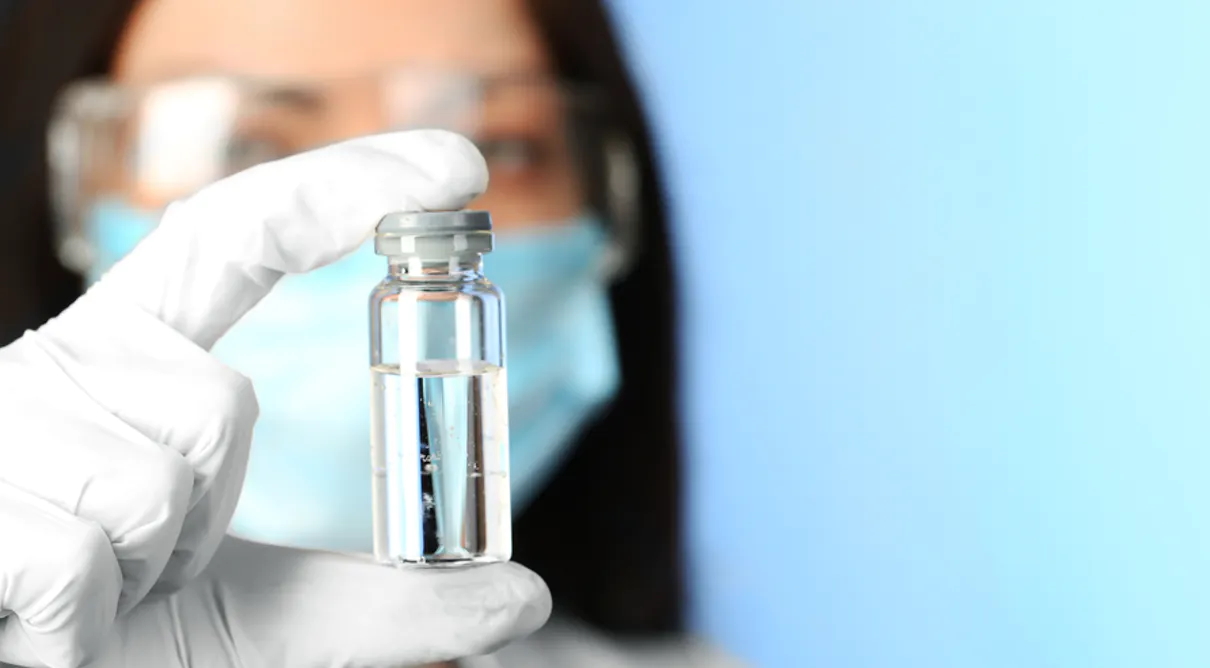
Botox is a prescription-only drug subject to strict controls.
But several practitioners have been disciplined for administering or procuring it inappropriately, such as in day spas[16] or by arranging “remote” prescriptions by email[17]. Recent cases of unregistered people injecting it at parties[18], resulting in botulism (a serious condition), also suggest gaps in oversight.
The new rules allow only suitably trained practitioners to prescribe these drugs following an in-person or video consultation. Batch prescribing – issuing prescriptions for multiple patients – is now clearly unacceptable.
The guidelines emphasise skills and training. Registered nurses will now need a year’s experience in other fields before giving cosmetic treatments. Enrolled nurses will be expected to first have a year of supervised, relevant experience.
There must also be robust protocols to manage any complications after a procedure. Practitioners must provide detailed aftercare instructions, and ensure patients are aware of their right to complain and to whom.
Screening for suitability
Short and impersonal cosmetic consultations[19] have often[20] not met the legal requirements for informed consent[21].
The guidelines address this by requiring registered nurses and nurse practitioners to thoroughly assess a patient’s suitability for a treatment.
They must confirm the patient’s expectations are realistic, discuss risks and alternatives (including no treatment), be transparent about their own skills and experience, and explain all costs.
The guidelines specify that screening assessments must check for underlying conditions, such as body dysmorphic disorder, which is known to be more common[22] in those seeking cosmetic treatments.
It is one of several mental health disorders diagnosed in people who experience anxiety and persistent thoughts about perceived flaws[23] in their physical appearance.
Patients experiencing this condition would likely be unsuitable[24]. That’s because people with body dysmorphic disorder are at higher[25] risk[26] of poor psychosocial outcomes[27] (such as poorer mental health or wellbeing).
If found unsuitable, patients must be refused treatment and referred to another appropriate practitioner, such as a psychologist, for appropriate support.
Overall, the new guidelines foster better informed consent processes. They prompt practitioners to screen for and discuss the psychosocial risks known to be associated with cosmetic procedures.
What about under 18s?
AHPRA says the new rules offer greater protection[29] for young people through new safeguards and special rules for under-18s.
The guidelines say prescribing dermal fillers to minors is inappropriate. For other procedures, they require parental or guardian consent where practicable, and a cooling-off period of seven days between obtaining informed consent and the procedure.
However, health practitioners will still be able to exercise their clinical judgement for under-18s within the limits of the law.
That’s because the general law[30] permits “mature minors” to lawfully consent to medical treatments if they have been assessed as having sufficient understanding and intelligence to appreciate fully what is being proposed[31].
So, how are these rules enforced?
These guidelines are not parliamentary laws.
Instead, they define the standards expected of all registered health practitioners who perform non-surgical cosmetic procedures – except doctors, who have their own guidelines[32].
If a health practitioner does not comply with the guidelines, the board responsible for their registration and accreditation – for example, the Nursing and Midwifery Board[33] – can take “immediate action[34]” to suspend them or launch disciplinary proceedings[35] for extended sanctions.
The guidelines will make it easier for national boards[36] and state complaints organisations[37] to support any allegations of professional[38] wrongdoing[39] against health professionals performing or promoting cosmetic procedures.
Before now, there were no specific rules about cosmetic procedures – just the general (but important) codes[40] of conduct[41] for each profession.
The guidelines give real teeth to the bodies that regulate the health profession and will likely enable them to weed out bad actors from the cosmetic workforce. Even so, they cannot compensate or redress patient harms.
For that, patients may sue practitioners in court[42], report unlawful drug advertising to the Therapeutic Goods Administration[43] (where fines can be issued[44]), or take action under Australian consumer law[45].
References
- ^ tough (www.abc.net.au)
- ^ crackdown (www.theage.com.au)
- ^ the new guidelines (www.ahpra.gov.au)
- ^ widespread reports (www.abc.net.au)
- ^ exposing (www.ahpra.gov.au)
- ^ 52-second telehealth consultations (www.theage.com.au)
- ^ safety before sales (www.emerald.com)
- ^ guidelines (www.medicalboard.gov.au)
- ^ position statement (www.nursingmidwiferyboard.gov.au)
- ^ Nursing and Midwifery Board of Australia (www.nursingmidwiferyboard.gov.au)
- ^ one New South Wales case (www.caselaw.nsw.gov.au)
- ^ often (www.tandfonline.com)
- ^ free treatments (derma.jmir.org)
- ^ law if practitioners do it (legislation.nsw.gov.au)
- ^ Tijana Simic/Shutterstock (www.shutterstock.com)
- ^ in day spas (www.caselaw.nsw.gov.au)
- ^ by email (www.caselaw.nsw.gov.au)
- ^ unregistered people injecting it at parties (www.health.nsw.gov.au)
- ^ Short and impersonal cosmetic consultations (www.caselaw.nsw.gov.au)
- ^ often (www.caselaw.nsw.gov.au)
- ^ legal requirements for informed consent (ses.library.usyd.edu.au)
- ^ more common (link.springer.com)
- ^ persistent thoughts about perceived flaws (www.sciencedirect.com)
- ^ unsuitable (psychology.org.au)
- ^ higher (doi.org)
- ^ risk (oce.ovid.com)
- ^ outcomes (www.tandfonline.com)
- ^ Chay_Tee/Shutterstock (www.shutterstock.com)
- ^ offer greater protection (www.ahpra.gov.au)
- ^ general law (www.health.nsw.gov.au)
- ^ sufficient understanding and intelligence to appreciate fully what is being proposed (pmc.ncbi.nlm.nih.gov)
- ^ their own guidelines (www.medicalboard.gov.au)
- ^ Nursing and Midwifery Board (www.nursingmidwiferyboard.gov.au)
- ^ immediate action (pubmed.ncbi.nlm.nih.gov)
- ^ disciplinary proceedings (www.publish.csiro.au)
- ^ national boards (www.ahpra.gov.au)
- ^ complaints organisations (www.ahpra.gov.au)
- ^ professional (www5.austlii.edu.au)
- ^ wrongdoing (www5.austlii.edu.au)
- ^ codes (www.nursingmidwiferyboard.gov.au)
- ^ conduct (www.psychologyboard.gov.au)
- ^ sue practitioners in court (billmaddens.wordpress.com)
- ^ Therapeutic Goods Administration (www.tga.gov.au)
- ^ where fines can be issued (www.tga.gov.au)
- ^ Australian consumer law (www.nsw.gov.au)