The Times Australia
Google AI
Business and Money

Australia's first wellbeing framework is about to measure what matters – but it's harder than counting GDP

  • Written by Robert Costanza, Professor of Ecological Economics, UCL
Australia's first wellbeing framework is about to measure what matters – but it's harder than counting GDP

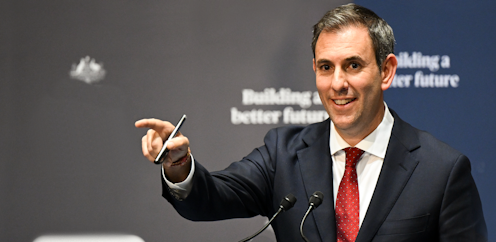
In an implicit admission that the Commonwealth budget may not measure what really matters, Treasurer Jim Chalmers is about to release what he is calling “Measuring What Matters[1]” – Australia’s first national wellbeing framework.

The statement was to have been released as part of this year’s May budget, and an earlier hurriedly-prepared[2] attempt was included in Chalmers’ 2022 budget.

Chalmers’ description of it as Australia’s “first[3]” national wellbeing framework is an acknowledgement that first wellbeing statement didn’t amount to a framework. Chalmers says he is “up for the necessary conversations” needed to improve the framework further.

The one he is about to release has benefited from more than 280[4] submissions and the time needed to distil everything that matters for wellbeing into five broad themes, made up of about 50 indicators the treasury will track through time.

Chalmers says the themes are the extent to which Australia is

  • healthy

  • secure

  • sustainable

  • cohesive

  • prosperous.

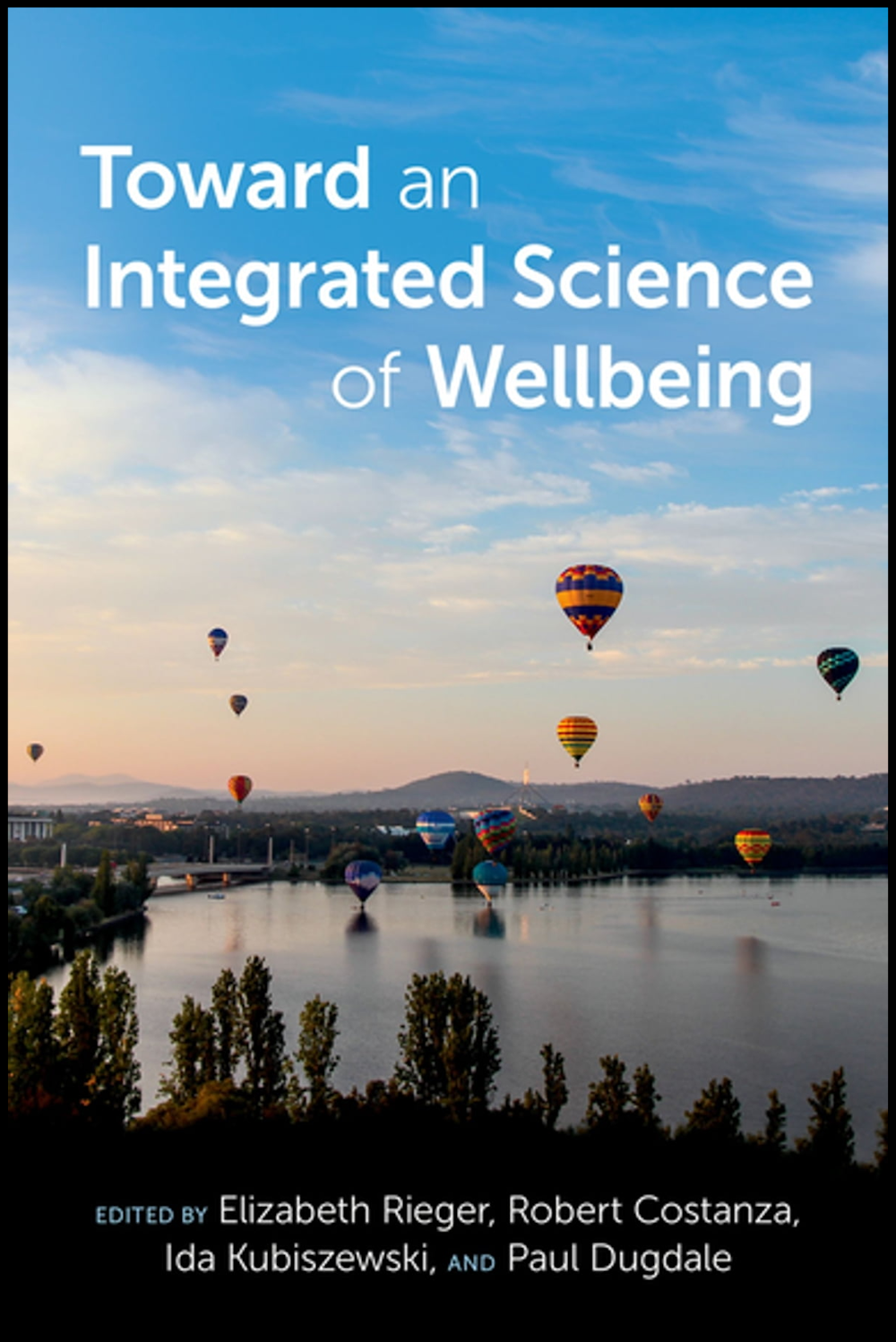
In what turned out to be a parallel process, we have been developing what we call an “integrated science of wellbeing[5]” and have just published a book with 21 contributions on the subject through Oxford University Press.

One of us has a background in psychology, one in medicine, and two in social sciences, ecology, and economics.

Among the 45 authors who have contributed chapters are specialists in a range of topics, including ageing, architecture, biodiversity, compassion, governance, Indigenous studies, population, psychology, sustainability, and trauma.

Everything is connected

All of the authors were asked to relate their work to other aspects of wellbeing, so that each chapter considered interconnections.

Behind this was an understanding that things depend on each other – meaning that giving a score to one element of wellbeing, without examining how it impacts on other elements of wellbeing, can give us the wrong idea about how to make things better.
Oxford University Press[6] As an example, anger is generally regarded as deleterious to wellbeing and worth minimising. But if minimising anger meant less action on climate change, minimising it might make us worse off. And some of the things that are incredibly important for wellbeing are hard to measure, including what happens within relationships or access to sunlight. Related to these are the design of cities and their integration with hospital and health services. These matter for the quality of dying, as well as living. Lying behind much of what matters is inequality – which can be worsened by a misplaced focus on GDP growth at all costs – and the natural environment, most of which is missing from standard measures of GDP. Global work on wellbeing At the government level, wellbeing is being espoused by the Wellbeing Economy Governments[7] (which so far includes Scotland, New Zealand, Iceland, Wales, Finland, and Canada). It’s also being coordinated across the hundreds of groups working on this issue by the Wellbeing Economy Alliance[8], funded by philanthropic foundations. While their objectives are still being refined, they (and Chalmers’ objectives) don’t differ much from the five goals identified more than 30 years ago by pioneers in the field of ecological economics[9]: to stay within planetary biophysical boundaries to meet all fundamental human needs to create and maintain a fair distribution of resources, income, and wealth to bring about an efficient allocation of resources that allows human development and flourishing to create governance systems that are transparent, fair, responsive, just and accountable. We are about to find out how well Chalmers and his department have integrated these objectives, and how well they think Australia is doing. Read more: Australia's wellbeing budget: what we can – and can't – learn from NZ[10] References^ Measuring What Matters (treasury.gov.au)^ hurriedly-prepared (cdn.theconversation.com)^ first (ministers.treasury.gov.au)^ 280 (ministers.treasury.gov.au)^ integrated science of wellbeing (academic.oup.com)^ Oxford University Press (academic.oup.com)^ Wellbeing Economy Governments (wellbeingeconomy.org)^ Wellbeing Economy Alliance (weall.org)^ ecological economics (www.google.com.au)^ Australia's wellbeing budget: what we can – and can't – learn from NZ (theconversation.com)Authors: Robert Costanza, Professor of Ecological Economics, UCL

Read more https://theconversation.com/australias-first-wellbeing-framework-is-about-to-measure-what-matters-but-its-harder-than-counting-gdp-209868

Business Times

The shout is fading as Aussies hit their spending limits

Half of Australians now pay only for their own order and one in three are ditching the shout A widening gap in what Austra...

Revealed: Office temps are a productivity risk for business owner…

Alliance Climate Control surveyed 1,000 Australian adults who work in an office at least one day a week. The results show t...

How Furniture Hire Revolutionises Hospitality Business Venues Ins…

First impressions can shape everything, especially in a hospitality business. In fact, guests may not remember the room but...

The Times Features

5 Cool Ways to Transform Your Interior in 2026

We are at the end of the great Australian summer, and this is the perfect time to start thinking a...

What First-Time Buyers Must Know About Mortgages and Home Ownership

The reality is, owning a home isn’t for everyone. It’s a personal lifestyle decision rather than a...

SHOP 2026’s HOTTEST HOME TRENDS AT LOW PRICES WITH KMART’S FEBRUARY LIVING COLLECTION

Kmart’s fresh new February Living range brings affordable style to every room, showcasing an  insp...

Holafly report finds top global destinations for remote and hybrid workers

Data collected by Holafly found that 8 in 10 professionals plan to travel internationally in 202...

Will Ozempic-style patches help me lose weight? Two experts explain

Could a simple patch, inspired by the weight-loss drug Ozempic[1], really help you shed excess k...

Parks Victoria launches major statewide recruitment drive

The search is on for Victoria's next generation of rangers, with outdoor enthusiasts encouraged ...

Labour crunch to deepen in 2026 as regional skills crisis escalates

A leading talent acquisition expert is warning Australian businesses are facing an unprecedented r...

Technical SEO Fundamentals Every Small Business Website Must Fix in 2026

Technical SEO Fundamentals often sound intimidating to small business owners. Many Melbourne busin...

Most Older Australians Want to Stay in Their Homes Despite Pressure to Downsize

Retirees need credible alternatives to downsizing that respect their preferences The national con...