Rethinking the Low-Cost Airline Model After Spirit Airlines and Bonza
- Written by: The Times
For decades, low-cost airlines promised something revolutionary: strip out the frills, pack the planes, and make air travel accessible to everyone. It worked—until it didn’t. The collapse of Spirit Airlines in the United States and the earlier failure of Bonza closer to home have forced the aviation industry to confront an uncomfortable question:
Is the ultra-low-cost airline model still viable in today’s economic environment?
The Original Promise of Low-Cost Flying
The low-cost carrier (LCC) model was built on a simple formula:
-
High aircraft utilisation
-
Single aircraft type to reduce maintenance costs
-
Point-to-point routes avoiding major hubs
-
Ancillary revenue (baggage, seat selection, food)
Airlines like Ryanair and Southwest Airlines refined this model into a highly efficient machine. For years, it delivered profits while reshaping consumer expectations. Cheap flights became not just common—but expected.
However, the model relied on a set of conditions that are now under pressure.
What Changed?
The failures of both Spirit Airlines and Bonza were not isolated events. They were symptoms of deeper structural shifts.
Fuel Costs
Jet fuel remains the single largest variable expense for airlines. In a volatile global energy market, low-cost carriers—whose margins are already thin—have little room to absorb price spikes. Unlike premium airlines, they cannot easily pass costs on to customers without undermining their core proposition.
Financing and Debt
Aircraft are expensive, and most airlines rely heavily on leasing. Rising interest rates have increased the cost of capital, making expansion—and even survival—more difficult for newer or weaker operators.
Competition Has Caught Up
Legacy carriers have adapted. Airlines such as Qantas and Virgin Australia now offer “basic economy” fares that directly compete with low-cost offerings, while still benefiting from stronger networks and premium cabins.
Consumer Expectations Have Shifted
Passengers have become more discerning. Ultra-low fares are attractive—but only up to a point. Hidden fees, cramped seating, and reliability issues have eroded goodwill. When price differences narrow, travellers often choose perceived quality over absolute cost.
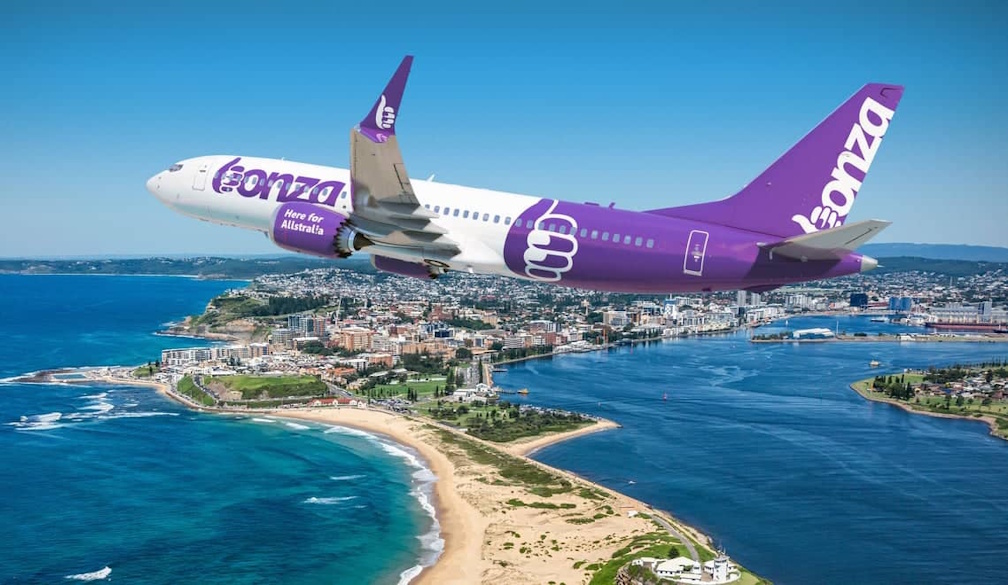
Bonza: The Australian Case Study
The collapse of Bonza offers a uniquely Australian lens on the problem.
Bonza’s strategy was bold:
-
Focus on underserved regional routes
-
Avoid direct competition with major carriers
-
Stimulate demand rather than steal it
On paper, it made sense. In practice, several challenges proved insurmountable:
-
Limited fleet flexibility due to reliance on leased aircraft
-
Operational disruptions and scheduling constraints
-
A market that may not have had sufficient volume to sustain consistent load factors
Australia’s geography compounds these issues. Long distances, relatively small population centres, and high operating costs create a difficult environment for any airline—let alone a low-cost entrant trying to build scale from scratch.
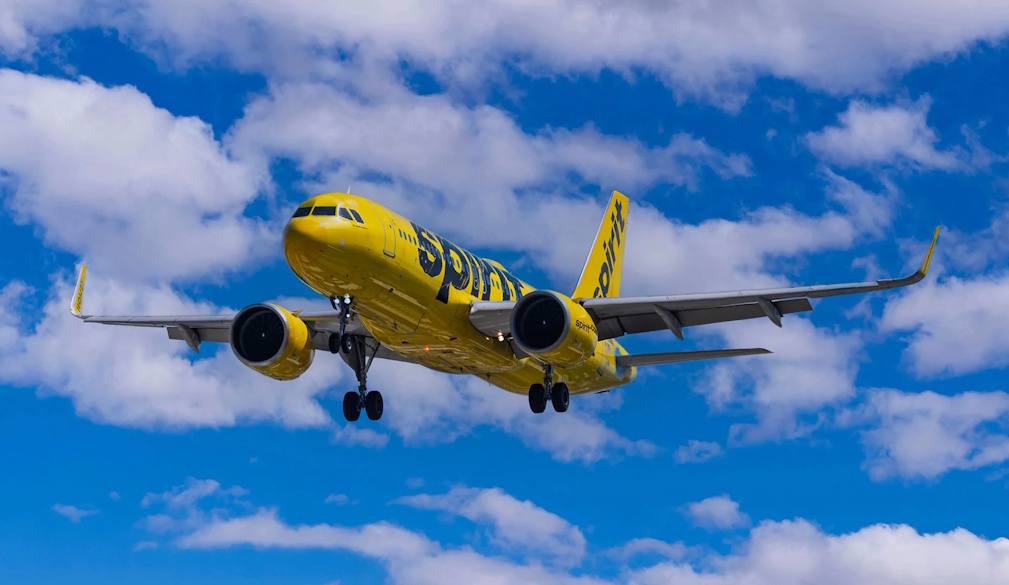
Spirit Airlines: When Scale Isn’t Enough
If Bonza’s failure could be attributed to scale, Spirit Airlines demonstrates that scale alone is no guarantee of survival.
Spirit was a pioneer of the “bare fare” model in the United States. It mastered ancillary revenue to the point where the base ticket price became almost symbolic. Yet even with a large network and brand recognition, it could not withstand:
-
Cost pressures
-
Competitive responses from larger airlines
-
A shifting regulatory and economic landscape
The conclusion is stark: even mature low-cost carriers are vulnerable if the underlying economics deteriorate.
Is There Still a Future for Low-Cost Airlines?
The answer is yes—but not in its original form.
The next generation of low-cost airlines will likely look different:
Hybrid Models
Airlines will blend low-cost efficiency with selective service improvements. Pure “no-frills” may give way to “right-frills”—offering just enough comfort to retain customers.
Dynamic Pricing Sophistication
Better use of data and AI-driven pricing will allow airlines to optimise revenue per seat rather than relying purely on volume.
Fleet and Fuel Efficiency
Newer aircraft with lower fuel burn will be critical. Operators that can secure and efficiently deploy modern fleets will have a structural advantage.
Route Discipline
Rather than aggressive expansion, successful carriers will focus on routes with proven demand and sustainable margins.
The Bigger Question: Are Cheap Flights Here to Stay?
Consumers may need to recalibrate expectations. The era of ultra-cheap, frequently loss-leading fares appears to be fading.
Air travel will remain competitive—but not necessarily cheap in the way it once was. The industry is moving toward a more balanced model where:
-
Prices better reflect true operating costs
-
Airlines prioritise sustainability over rapid expansion
-
Profitability, not market share, becomes the primary goal
Final Analysis
The collapses of Spirit Airlines and Bonza are not anomalies. They are signals.
The low-cost airline model is not dead—but it is evolving under pressure. The operators that survive will be those willing to adapt, refine, and, in some cases, abandon the very principles that once defined the sector.
For passengers, the message is simple: the cheapest seat in the sky may still exist—but it will no longer come at any cost to the airline providing it.