The World Cup Business Model: What Every Entrepreneur Can Learn
- Written by: The Times
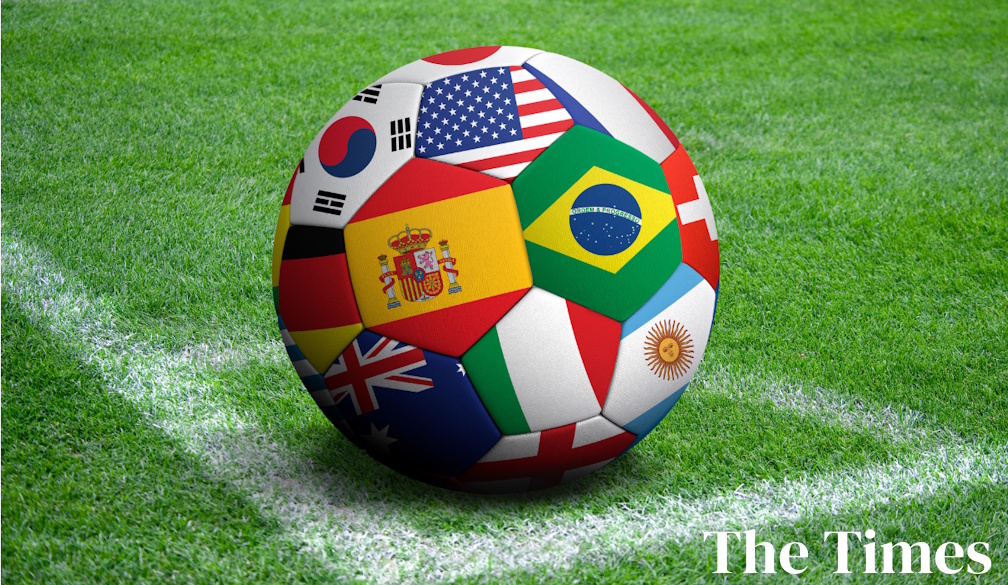
Every four years, the FIFA World Cup becomes one of the largest commercial events on Earth.
Billions of people watch matches. Millions travel internationally. Corporate sponsors compete for exposure, broadcasters pay enormous sums for television rights, and host cities welcome visitors from around the globe.
To football fans it is a sporting spectacle.
To business owners it is a masterclass in building a global brand.
The product is not football
Professional football is played every week somewhere in the world.
What makes the World Cup different is scarcity.
The tournament only occurs every four years, involves the world's best national teams and lasts for just a few weeks. That rarity creates anticipation and allows FIFA to command premium prices for almost everything associated with the event.
Entrepreneurs can learn an important lesson.
Products become more valuable when they are unique, difficult to replicate and limited in availability.
Multiple income streams
The World Cup is not dependent upon a single source of revenue.
Instead, it combines numerous income streams.
Broadcasting rights
Television and streaming rights generate the largest share of FIFA's tournament income.
Broadcasters compete for exclusive access because audiences reach into the billions.
The lesson for business owners is to create products that can be distributed repeatedly without producing them again.
Digital products, subscriptions, software and online education all share this characteristic.
Sponsorship
Global companies spend substantial amounts to associate their brands with the World Cup.
Sponsors are not simply buying advertising.
They are buying trust, prestige and worldwide visibility.
Businesses large and small can adopt the same principle.
Companies are often willing to partner with organisations that have loyal audiences, even if those audiences are relatively modest.
Credibility has commercial value.
Admission tickets
Ticket sales remain a significant revenue source.
Unlike many sporting competitions, World Cup matches routinely sell out because supply is fixed while demand is worldwide.
Premium seating, hospitality packages and VIP experiences generate even higher returns.
Businesses should consider whether they are selling only a product or whether premium experiences can be offered alongside it.
Licensing and merchandise
Official shirts, footballs, clothing and memorabilia generate substantial income.
The tournament has become a retail brand as much as a sporting event.
Successful businesses increasingly think beyond their core service.
A café may sell branded coffee beans.
A publisher may offer premium memberships.
A tourism operator may sell merchandise that extends the customer relationship long after the visit has ended.
Is government support essential?
Hosting the World Cup requires enormous public investment.
Governments typically contribute towards:
- Stadium construction and upgrades
- Airports
- Roads and transport
- Security
- Public services
- Urban renewal
Supporters argue these investments leave lasting infrastructure and tourism benefits.
Critics question whether taxpayers always receive an adequate financial return.
For entrepreneurs, however, government funding is not the central lesson.
The real lesson is that large projects succeed because many organisations cooperate.
Government, private enterprise, sponsors, broadcasters and local businesses each contribute to the overall ecosystem.
Very few billion-dollar enterprises operate entirely in isolation.
The value of a trusted brand
The FIFA World Cup logo is recognised almost everywhere in the world.
That recognition has taken decades to build.
Customers often pay a premium for brands they know and trust because uncertainty is reduced.
Small businesses sometimes focus exclusively on today's sales.
The World Cup demonstrates the long-term value of consistently building a brand that customers immediately recognise.
Global partnerships
The tournament succeeds because hundreds of organisations work together.
Airlines transport supporters.
Hotels accommodate visitors.
Restaurants benefit from increased tourism.
Technology companies manage ticketing and broadcasting.
Security firms, transport providers, insurers and financial institutions all participate.
Successful businesses increasingly view themselves as part of a wider commercial ecosystem rather than isolated enterprises.
What entrepreneurs can apply immediately
Few businesses will ever operate on the scale of the World Cup, but many of its principles are surprisingly accessible.
Business owners can:
- Build a recognisable brand.
- Develop multiple revenue streams.
- Create premium products alongside standard offerings.
- Form strategic partnerships.
- Invest consistently in reputation.
- Think globally while serving local customers.
- Create events or limited-time offers that generate anticipation rather than being permanently available.
The Times Business View
The World Cup demonstrates that the world's most successful enterprises rarely depend on one customer, one product or one income source. Broadcasting, sponsorship, ticket sales, licensing and partnerships combine to create a resilient commercial model.
The lesson for Australian entrepreneurs is straightforward. Build a trusted brand, diversify revenue, collaborate with complementary businesses and think beyond today's transaction. Whether operating a café, technology startup, regional tourism business or online publisher, the strongest businesses are those that create lasting value rather than simply selling a product.