Supermarket Prices Are Up — and So Is Dinner at a Modest Eatery. Why?
- Written by: The Times
For many Australians, the weekly grocery shop and a simple night out for dinner have quietly become two of the most noticeable pressure points in the household budget. What used to be routine—filling a trolley or grabbing fish and chips—now requires a second look at prices, portions, and value.
The shift has been gradual enough to avoid a single moment of shock, but persistent enough that the cumulative effect is impossible to ignore. Supermarket bills are higher, restaurant menus are pricier, and in many cases, what you receive for that money has diminished.
So what is driving this change? The answer lies in a layered mix of global supply dynamics, local cost structures, and structural changes in how food is produced, transported, and sold.
The Cost Base Has Moved Permanently Higher
At the heart of rising prices is a simple reality: the cost of getting food from producer to plate has increased across almost every step of the chain.
Farmers are dealing with higher input costs—fuel, fertiliser, feed, water, and labour. These are not marginal increases; in some categories, they have been substantial. When the cost of producing food rises, those increases inevitably flow downstream.
Transport is another major factor. Australia’s geographic spread means food often travels long distances. Higher diesel prices have pushed up freight costs, affecting everything from fresh produce to packaged goods. Cold chain logistics—keeping food refrigerated during transport—adds another layer of expense, particularly for seafood and meat.
By the time products reach supermarket shelves or restaurant kitchens, they already carry a heavier cost burden than they did just a few years ago.
Supermarkets: Price, Power, and Perception
Supermarkets sit at the centre of the pricing debate. Large chains have significant buying power, which can help contain some cost increases, but they are not immune to broader inflationary pressures.
Operating costs for supermarkets have risen as well. Energy bills for large stores, wages for staff, rent, and compliance costs all contribute to higher overheads. These are ultimately reflected in shelf prices.
There is also the question of margin management. Retailers must balance competitiveness with profitability. While they may absorb some increases to remain attractive to consumers, they cannot absorb all of them indefinitely.
For shoppers, the result is a noticeable increase in the total bill, even when buying the same items. Subtle changes—smaller packaging, fewer promotions, and reduced discounting—add to the perception that value is declining.
Restaurants and Takeaway: A Perfect Storm of Costs
If supermarkets are under pressure, restaurants and takeaway outlets are facing an even more acute version of the same problem.
Hospitality businesses operate on relatively thin margins at the best of times. In the current environment, they are dealing with:
-
Higher ingredient costs
-
Rising wages and staff shortages
-
Increased rent and insurance
-
Surging energy prices
-
Ongoing compliance and regulatory costs
Unlike supermarkets, restaurants cannot rely on scale to the same extent. Each menu item must be priced to cover costs while remaining attractive to customers who are themselves feeling financial strain.
This creates a difficult balancing act. Raise prices too much, and customers stop coming. Keep prices too low, and the business becomes unviable.
Many operators have responded by doing both: increasing prices and reducing portion sizes.
Fish and Chips: From Staple to Luxury
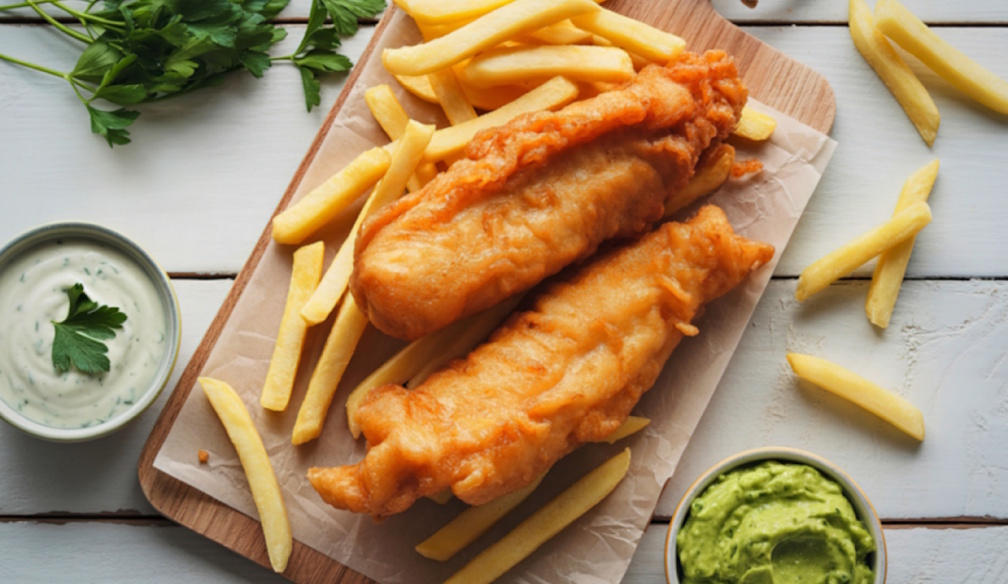
Nowhere is this more visible than in one of Australia’s most iconic meals: fish and chips.
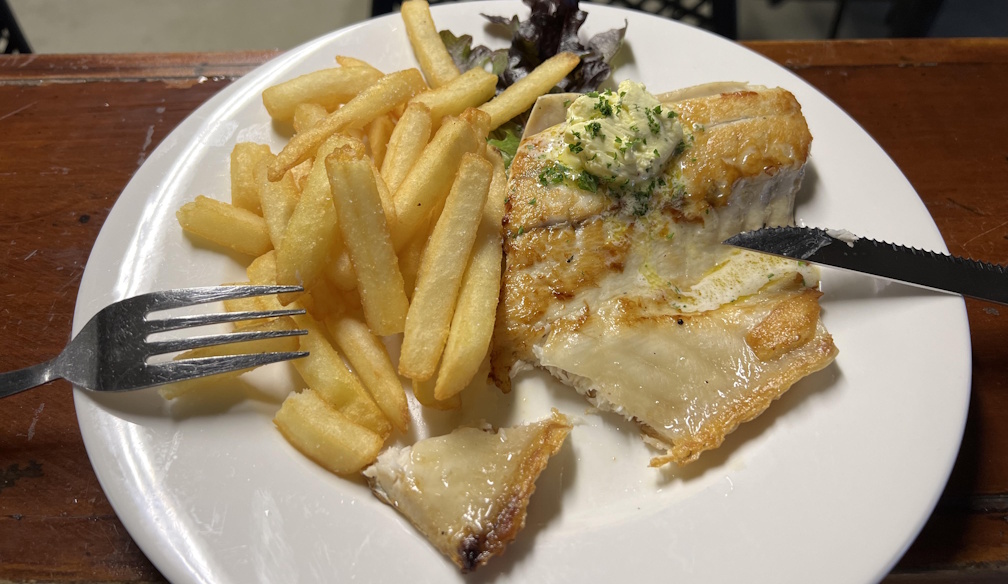
Once considered an affordable, no-frills takeaway, fish and chips has, in many areas, become a surprisingly expensive indulgence. Prices have climbed sharply, and portions are noticeably smaller.
There are several reasons for this shift.
Seafood costs have risen significantly. Factors include fuel prices for fishing vessels, tighter quotas in some fisheries, and strong export demand, which can drive up domestic prices. Popular species used in fish and chips are no longer as cheap or as readily available as they once were.
Potatoes, the humble foundation of the meal, have also seen price volatility due to weather events, supply disruptions, and higher farming costs. Cooking oil—another essential input—has experienced global price increases, further adding to the cost of each serve.
Then there is energy. Fryers are energy-intensive, and with electricity and gas prices rising, the cost of simply cooking the meal has increased.
The result is a product that costs more to produce at every stage. To remain viable, operators have little choice but to increase prices, reduce portion sizes, or both.
For consumers, the experience is jarring. A meal that once fed a family at a reasonable cost now feels closer to a discretionary treat.
Shrinkflation: Paying More for Less
One of the less obvious but widely felt trends is shrinkflation—the reduction in product size or portion while maintaining or increasing the price.
In supermarkets, this appears as smaller packages, fewer items per pack, or subtle changes in weight. In restaurants and takeaways, it shows up as smaller servings, fewer sides, or reduced extras.
From a business perspective, shrinkflation is a way to manage rising costs without triggering the full consumer backlash that can come with overt price increases. From a consumer perspective, it often feels like a loss of value.
The psychological impact is significant. Customers are not just paying more—they are receiving less in return.
Wages, Expectations, and the Cost of Labour
Labour is a major component of food pricing, particularly in hospitality. Wage increases, while important for workers, add to the cost base for businesses.
At the same time, customer expectations have evolved. Diners expect quality service, consistent food standards, and a pleasant environment. Meeting these expectations requires skilled staff, which are in short supply in many areas.
Labour shortages have pushed wages higher and increased competition for staff. Businesses must offer more to attract and retain employees, and those costs are reflected in menu prices.
Consumer Behaviour Is Changing
As prices rise, consumer behaviour is shifting. Households are becoming more selective about where and how they spend money on food.
Supermarket shoppers are trading down to cheaper brands, buying in bulk, or switching to discount retailers. Meal planning and cooking at home are seeing renewed focus, though even this is more expensive than it once was.
Dining out is becoming less frequent, and when people do go out, they are more conscious of value. This has led to increased demand for specials, set menus, and perceived bargains.
For businesses, this creates a more price-sensitive customer base, even as their own costs continue to rise.
Is This Temporary or Structural?
The key question is whether current price levels represent a temporary spike or a new baseline.
Some cost pressures may ease over time. Supply chains can stabilise, and input costs may moderate. However, many of the underlying drivers—energy costs, labour costs, regulatory requirements—are structural.
This suggests that while price growth may slow, a full return to previous price levels is unlikely.
Fish and chips, in particular, may remain a more expensive proposition than it was in the past. What was once a staple may continue to be treated as an occasional indulgence.
Conclusion
The rise in supermarket prices and the cost of dining out reflects a broader shift in the economics of food. From farm to fork, nearly every input has become more expensive, and those increases are now firmly embedded in the system.
For consumers, the impact is immediate and tangible: higher bills, smaller portions, and tougher choices. For businesses, it is a constant balancing act between viability and affordability.
The humble fish and chips meal tells the story in microcosm. Once a symbol of simple, affordable comfort, it now highlights the reality of a market where even the basics are no longer cheap.
Understanding why prices are rising does not make paying them easier—but it does make clear that this is not a passing phase. It is a recalibration of value in an economy where the cost of everything, including a modest meal, has moved higher.