Top Electrical Safety Tips Every Australian Homeowner Should Know
Ensuring electrical safety at home is key to protecting loved ones and property. Electrical systems, while often taken for granted, pose significant risks if not maintained properly. One might overlook these dangers until an unfortunate incident occurs. According to data, thousands of electrical accidents occur in Australian homes each year, some leading to severe injuries or fatalities. This article provides crucial tips to help Australian homeowners keep their homes safe from electrical hazards.
Regular Electrical Inspections
Routine electrical inspections serve as a preventative measure against potential hazards. Regular checks offer peace of mind and help detect issues before they develop into severe problems.
So, how frequently should these inspections occur? It is generally advisable to have a licensed electrician inspect your home every three to five years. However, older homes might require more frequent evaluations.
Certain signs indicate the need for an immediate inspection. For instance, frequent tripping of circuit breakers, flickering lights, or a burning smell near outlets could signal underlying issues. In such situations, hiring a certified electrician becomes imperative to ensure safety and compliance with local codes.
Safe Use of Electrical Appliances
The proper use and maintenance of electrical appliances are crucial for household safety. First, always follow the manufacturer’s instructions when handling appliances. Regularly maintaining these devices can prevent malfunctions and prolong their lifespan.
Overloading circuits and power strips is a common yet dangerous practice. It can lead to overheating and potentially start fires. Therefore, avoid plugging too many devices into a single outlet or power strip.
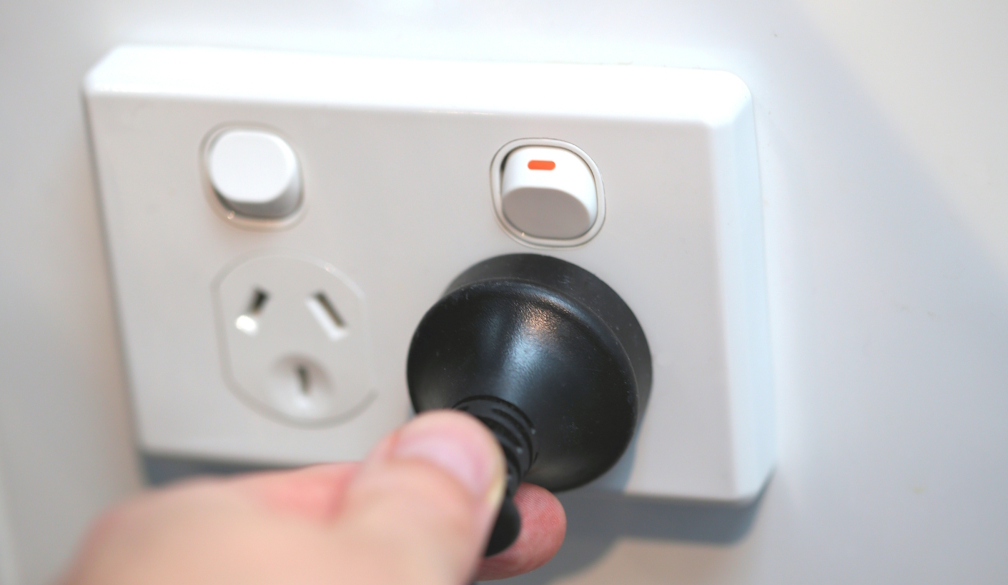
Unplugging appliances when they are not in use is another simple yet effective safety measure. It not only conserves energy but also reduces the risk of electrical fires.
Regularly check for product recalls and safety certifications on appliances. These steps ensure that your devices meet safety standards and have not been identified as potential hazards.
Childproofing Your Home
Homes occupied by children demand extra precautions. Installing outlet covers is a straightforward measure that can prevent toddlers from inserting objects into sockets. Such covers are inexpensive yet very effective.
Keeping cords and plugs out of reach is another critical measure. Children are naturally curious, and electrical cords can seem like toys to them. Secure cords and place them out of sight to mitigate this danger.
Educating children about electrical dangers is vital. Teach them not to touch outlets, play with cords, or use electrical appliances unsupervised.
For added security, consider using tamper-resistant receptacles. These are specifically designed to prevent foreign objects from entering the slots, hence providing an extra layer of protection.
Emergency Preparedness
Despite the best precautions, emergencies can still occur. Knowing how to turn off the main power quickly is crucial. Make sure all household members are aware of where the main switch is located and how to use it.
Keeping a fire extinguisher accessible in areas prone to electrical activities, such as kitchens or garages, is also essential. Ensure it is suitable for electrical fires and that you know how to employ it.
Understanding basic first aid for electrical injuries can make a significant difference. Burns and shocks require immediate attention. Knowing how to react appropriately, including calling emergency services, can save lives.
Establish a family emergency plan. Discuss and practice what to do if an electrical fire or another emergency occurs. A well-rehearsed plan reduces panic and ensures that everyone knows their role during a crisis.
Proper Use of Extension Cords and Power Strips
Extension cords and power strips, though convenient, need careful usage to avoid accidents. When selecting an extension cord, ensure it is appropriate for the intended use. Cords come with maximum load ratings, and using one beyond its capacity can be hazardous.
Daisy-chaining power strips – connecting multiple strips together – is a risky practice. It can overload circuits and increase the chance of a fire. Stick to one power strip per outlet configuration.
Extension cords and power strips can show signs of wear and tear. If cords are frayed, cracked, or visibly damaged, they should be replaced immediately. Using damaged cords poses a significant risk of shock or fire.
Proper storage of cords extends their lifespan and maintains safety. Never coil them tightly or keep them in hot areas, as this can degrade the insulation.
Conclusion
To summarise, maintaining electrical safety in the home requires regular inspections, proper use of appliances, childproofing electrical outlets and homes, emergency preparedness, and careful handling of extension cords and power strips. Continual vigilance and maintenance are essential to sustain a safe living environment.
Seeking professional help when needed is crucial. Licensed electricians possess the expertise to handle potential risks expertly, ensuring the household's electrical system remains in safe working order.
By implementing these tips and staying attentive, homeowners can significantly reduce the risk of electrical accidents, fostering a secure home for every family member.