


How Melbourne's Weather Affects Roof Lifespan and When to Consider Repairs
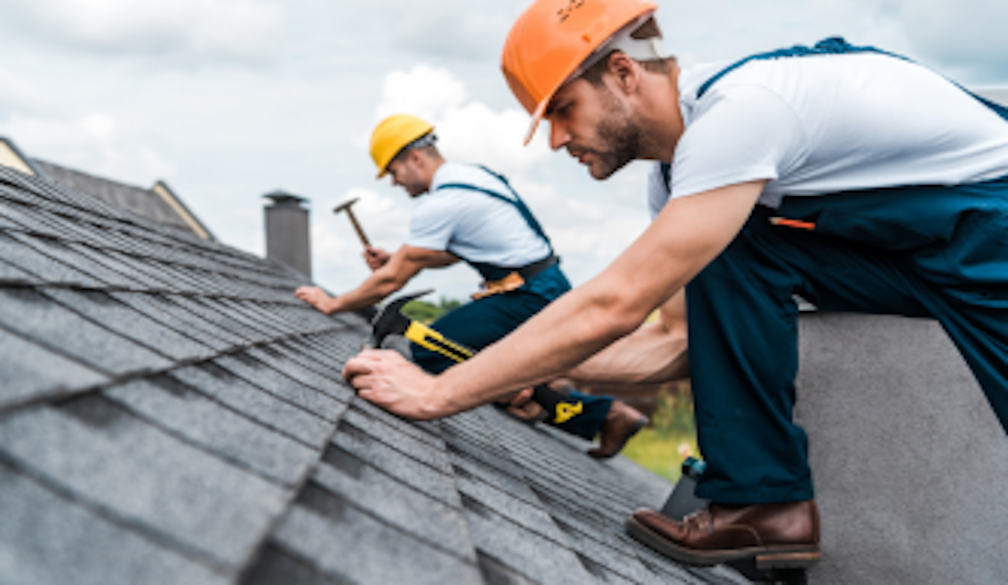
Melbourne's weather is often erratic, shifting from sunny to pouring rain within moments. This continual volatility can impact various aspects of your home, particularly your roof. Understanding how Melbourne's climate affects roof lifespan is crucial for timely maintenance and repairs.
Impact of Melbourne's Weather on Roofs
- Summertime Heat and UV Rays
Melbourne’s intense summer heat, frequently exceeding 30°C, poses significant risks to roofing materials. Prolonged UV exposure and extreme temperatures can cause asphalt shingles to curl, crack, or lose granules, and metal roofs may suffer from temperature-induced gaps or loose fasteners.
- Winter Rain and Cold
During Melbourne’s cold, rainy winters, roofs are susceptible to damage from water infiltration, which can lead to leaks, mold, and decay. Cold temperatures can also make roofing materials brittle, increasing the risk of cracks, especially after hailstorms.
- Spring and Autumn Weather Variations
The erratic weather in Melbourne’s spring and fall, with sudden temperature changes and strong winds, can cause roofing materials to expand and contract, leading to wear and tear. Strong winds can lift tiles or shingles, especially if they are already damaged.
Indicators That Your Roof Needs Repairs
- Water Stains or Leaks
Visible water stains on walls or ceilings often indicate roof leaks, which can lead to serious issues like mold and structural damage.
- Damaged or Missing Shingles
Missing, broken, or curled shingles compromise your roof’s protection. Inspect your roof regularly, especially after storms or high winds, to address any issues promptly.
- Drooping Roofline
A drooping roofline can signal structural problems, such as water damage or issues with the roof’s design. Immediate professional inspection is recommended.
- Loss of Granules
Granules from asphalt shingles protect against UV rays and weather damage. Accumulation of granules in gutters may indicate that shingles are worn out and need replacement.
- Rising Energy Costs
Increased energy costs could be a sign of roof damage or inadequate insulation, leading to inefficiencies in your heating and cooling systems.
When to Consider Roof Repairs in Melbourne
- After Extreme Weather
Post severe weather events, such as heavy rain or strong winds, check your roof for damage. Hiring a professional to inspect for hidden issues can be beneficial.
- If Your Roof Is Over 15 Years Old
Roofs typically last 15 to 25 years depending on the materials. Begin saving for maintenance or replacement as your roof ages.
- Upon Observing Any Signs of Damage
Address any indicators of roof damage, such as leaks, missing shingles, or increased energy bills, as soon as they appear to prevent further issues.
Conclusion
Melbourne’s diverse weather conditions can affect your roof’s condition, making regular maintenance and timely repairs essential. By staying vigilant and addressing issues early, you can extend the lifespan of your roof and protect your home effectively. When in doubt, consult Melbourne local roofers for expert advice and assistance.










