


How To Choose the Right Door Size for Your Home Renovation Project
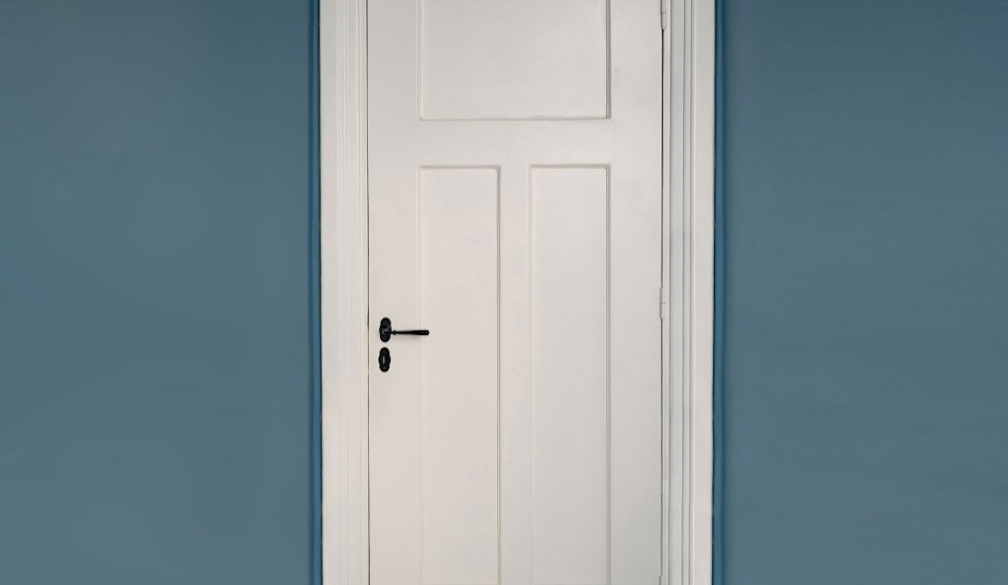
Embarking on a home renovation project can be both thrilling and daunting. When planning renovations, especially projects involving home extensions, it’s important to carefully consider measurements and design details to ensure everything fits seamlessly. One of the essential elements in any renovation is choosing the right door size. This decision impacts not only the aesthetics of your home but also its functionality. Whether you're replacing an existing door or creating a new opening, understanding standard door sizes, the measurement process and the implications of different door functions is critical. This guide will walk you through each step, ensuring you select the perfect door size for your renovation needs.
Understanding Standard Door Sizes
When choosing a door, it's essential to start with the basics. Standard door sizes often vary by country but understanding these can help you navigate the complexities of buying or customizing a door. In Australia, for example, typical standard sizes for residential doors are 2040 mm in height and 820 mm in width. However, sizes can differ based on the type of door and its purpose. Familiarizing yourself with these standards will save you time and money. For a comprehensive guide on standard door sizes visit Hammer and Brush.
Measuring for Door Replacement
A. Tools required for accurate measurements
To begin the process of measuring for a door replacement, you will need a few essential tools. These include a measuring tape, a level, and possibly a notepad for recording measurements. Accuracy is key, so it's important to ensure your tools are reliable. A digital measuring tape can provide more precise readings, which is beneficial in achieving the best fit.
B. Step-by-step guide to measuring existing door frames
Measuring an existing door frame sounds straightforward but requires attention to detail. First, measure the door width by taking three measurements: top, middle, and bottom of the door frame. Use the smallest of these measurements to ensure the new door will fit. Next, measure the height of the frame from the sill to the underside of the top jamb. Lastly, don’t forget to measure the door thickness and the jamb width, as these dimensions are crucial for the proper alignment and function of your door.
C. Tips for ensuring accuracy
To avoid common pitfalls in measurement, always double-check your numbers. It's advisable to measure twice or even thrice before finalizing your data. Another tip is to measure from different points, reducing the chance of overlooking an uneven frame or an irregularity in the wall that could affect the door's fit.
Considering Door Function and Location
A. Entry doors
Entry doors are pivotal in defining the curb appeal of your home. They often differ from internal doors, with sizes adjusted for security and insulation purposes. Typically thicker and sturdier, entry doors require precise measurements as they must align perfectly with both the door frame and the house's façade.
B. Interior doors
Interior doors might not demand the robustness of exterior ones, but their size and fit are equally important. Standard door sizes apply, yet there's often more flexibility in design and width depending on the space. For instance, a door leading to a pantry may not need to be as wide as one leading to a main living area.
C. Special purpose doors
Special purpose doors, such as those for closets or pantries, might have unique requirements. Sliding doors, folding doors, or pocket doors are popular options for such spaces, providing accessibility without requiring the swing space of a regular door. Ensuring proper measurement and installation is key to their effectiveness and overall integration into room designs.
Architectural and Design Considerations
A. Matching door style with home architecture
Selecting a door that complements the architectural style of your home is not just about aesthetics but also about creating a cohesive look. Whether your home is modern, traditional, or somewhere in between, choosing a door that fits the architectural elements can enhance your home's character.
B. Color and material choices
The material and color of your door contribute significantly to its performance and style. Woods like oak and mahogany are popular for their durability and classic look, while metal or fiberglass offer modernity and enhanced security features. Color choice can either make a door stand out or blend in, depending on the desired effect.
C. Impact of door style on natural light and space aesthetics
The style of your door can also influence the amount of natural light in your home and how spacious it feels. Glass panels, for instance, can brighten a dark hallway dramatically. Choosing the right style can transform a space, making it feel more open and welcoming.
Conclusion
Choosing the right door size involves more than just measuring; it requires consideration of design, function, and architectural style. By understanding standard sizes and measurement techniques, considering the door’s role and its location, and selecting appropriate styles and materials, you can make informed choices that enhance both the functionality and appeal of your home. Always aim for a balance between practicality and aesthetics to achieve the best results from your renovation project.










