A Simple Guide to Assembling a Home Electrical Toolkit
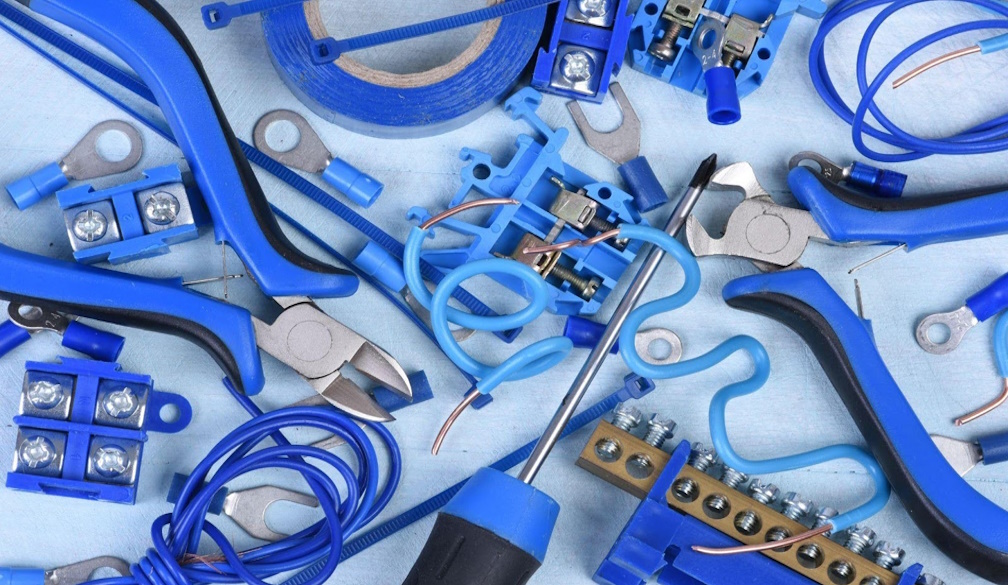
Having a well-equipped home electrical toolkit is essential for any homeowner. It allows you to tackle minor repairs and conduct routine maintenance with confidence. Imagine the ease of fixing a loose socket or replacing a blown fuse without waiting for a professional. This guide is designed for beginners and homeowners who wish to be prepared for these situations. It will walk through the essential tools, safety equipment, optional tools, organisation tips, and when to call in a professional. Rest assured, you don’t need prior experience in electrical work to benefit from this guide.
Essential Tools for Your Home Electrical Toolkit
Starting with the basics, every home electrical toolkit should include a few must-have tools. Screwdrivers are indispensable, with both flathead and Phillips head varieties being necessary. These tools help tighten or loosen screws on outlets, switches, and light fixtures. When selecting screwdrivers, look for those with insulated handles to minimise the risk of electric shock.
Next up, pliers are versatile tools suitable for twisting wires, cutting cables, and gripping small objects. Needle-nose pliers are especially handy for reaching into tight spaces, while combination pliers offer multiple functions. Quality is key here, so opt for forged pliers made from durable steel.
Wire strippers are another fundamental tool. They're designed to remove insulation from electrical wires without damaging the metal underneath. Adjustable wire strippers cater to various wire sizes, providing accuracy and efficiency.
When building your toolkit, considering tool brands that pride themselves on safety and durability is crucial. Kits from reputable brands often provide a selection that's comprehensive yet beginner-friendly, saving you the hassle of selecting each tool individually.
Safety Equipment to Include
Safety should never be compromised when handling electrical tasks. Equipping yourself with the proper safety gear is vital. Insulated gloves are your first line of defence against electric shocks. They must fit snugly to allow dexterity while ensuring protection. Safety goggles, on the other hand, protect your eyes from flying debris and sparks during light installations or repairs.
A voltage tester is a valuable addition, used to detect electrical current in wires, outlets, and devices. Non-contact voltage detectors are more convenient, as they alert you to live voltage without direct contact. Such tools can avert potential accidents, providing peace of mind on the job.
Optional but Useful Tools
While the essential tools will cover most minor repairs, some additional tools can make your tasks easier. A multimeter is a tool capable of measuring voltage, current, and resistance. This is particularly useful if your electrical work requires you to test circuit functionality or diagnose an electrical issue.
Fish tape is another handy tool, especially when routing wires through walls or conduits. It's primarily used in new wire installations or when extending circuits. Investing in these tools depends on the complexity of your tasks and how often you plan to perform them. Compare features and prices to ensure they align with your specific needs.
Find essential electrical supplies here to complete your toolkit and ensure you're fully equipped for any electrical task. Some might wonder when it's worth buying these optional tools. These tools will likely prove beneficial if you frequently undertake home improvement projects or live in an older house with more common electrical issues.
Organising Your Toolkit
An organised toolkit saves time and ensures that tools are easy to find when needed. Start by categorising your tools and accessories based on their function. Use toolboxes or storage solutions with compartments for separate storage, thus reducing clutter.
Regular maintenance checks are crucial to guarantee your tools remain in good condition—clean pliers to prevent rust, sharpen wire strippers, and check the calibration of your multimeter. Labelling each compartment in the toolbox helps with quick identification and streamlines your workflow.
When to Call a Professional
It's important to recognise when a task is beyond the scope of DIY. Complex electrical repairs or installation work should be left to professionals due to inherent risks. Warning signs that necessitate professional intervention include persistent circuit breaker trips, flickering lights, or faulty outlets.
Attempting to handle such issues without appropriate knowledge can lead to safety hazards like electric shocks or fires. On top of safety concerns, most regions have strict electrical codes and regulations that need adherence. Professionals ensure compliance, providing you with both safety and peace of mind.
Conclusion
By assembling a home electrical toolkit equipped with essential tools, safety gear, and optional advanced gadgets, you're enhancing your ability to manage minor electrical repairs with ease. Remember, the key is to stay informed and prioritise safety at all times. Use your toolkit wisely, and as you grow more comfortable, perhaps the door will open for exploring more advanced electrical DIY projects. However, always know your limits, and don’t hesitate to enlist professional help when necessary.