Optimal Locations for Smoke Alarms in Australian Homes
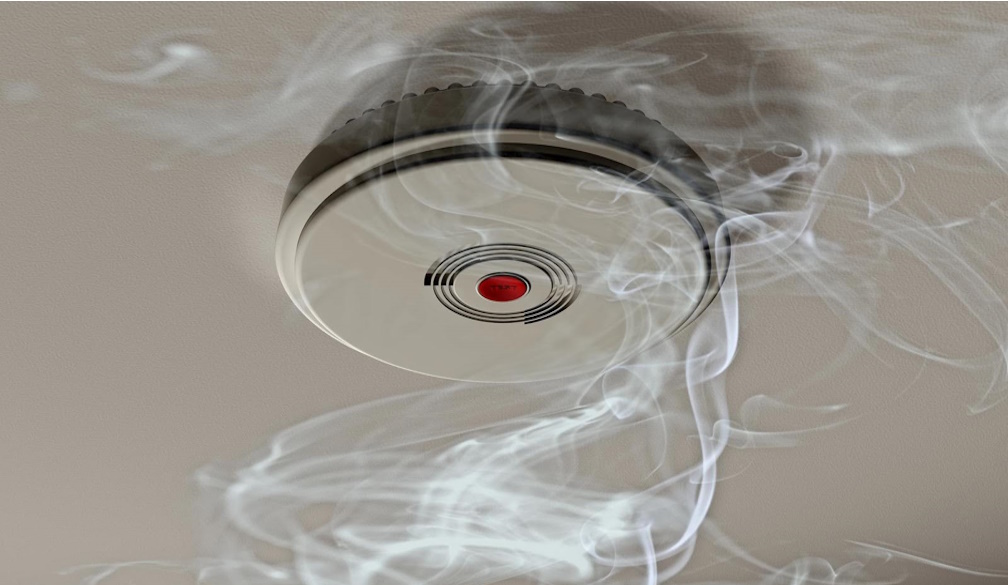
Smoke alarms play a crucial role in ensuring the safety of homes across Australia. They are essential in alerting occupants at the earliest signs of a fire, allowing enough time for a safe evacuation. Complying with Australian regulations on smoke alarm installations is not only a legal obligation but a moral one as well, safeguarding lives and property. The consequences of improper smoke alarm placement can be catastrophic in the event of a fire, potentially leading to delayed detection and increased danger. This article will discuss Australian smoke alarm regulations, pinpoint the best installation locations, and highlight key considerations to improve safety while adhering to legal requirements.
Understanding Australian Smoke Alarm Regulations
The Australian building codes have specific guidelines regarding the placement of smoke alarms to ensure maximum safety. According to these codes, all residential homes must be equipped with smoke alarms on each level, regardless of use, whether it is laundry, garage or attic. Legal requirements outline that alarms in new and existing homes should be hardwired and interconnected, where possible, to ensure a comprehensive alert system throughout the property.
In particular, different regulations apply depending on housing types. For example, rental properties require the homeowner or landlord to ensure that smoke alarms comply with the most recent standards. Owner-occupied homes are not exempt from these requirements either. Occasionally, there are updates to these regulations to reflect technological advancements and improvements in fire safety knowledge, making it essential for homeowners to stay informed.
Key Areas for Smoke Alarm Installation in Homes
Strategic placement of smoke alarms is vital for ensuring optimal performance. Alarms should be installed in or near sleeping areas to ensure that occupants are alerted. This means installing them inside bedrooms or immediately outside sleeping quarters.
Hallways and escape routes are another critical area for smoke alarms. Given their role in facilitating escape during emergencies, pinpointing alarms in these areas can provide early warnings and clear directions for exit, increasing the chances of a safe evacuation.
Living areas and home offices should not be overlooked regarding smoke alarm placement. Although safety measures often focus on sleeping zones, these areas host a significant amount of household electronics and furniture that can increase fire risks. Including alarms here boosts comprehensive home safety.
When planning installation, many homeowners seek guidance on the best places to install smoke alarms to ensure both regulatory compliance and optimal protection. A well-thought-out approach is essential for high-risk areas like kitchens (with careful placement to avoid false alarms) and lesser-considered spots such as attics and basements.
Finally, alarms in spaces like basements and attics can prevent fires from spreading unchecked. While these areas are sometimes neglected, the potential build-up of heat and flammable materials makes them priority spots for alarm installation.
Factors Influencing Optimal Smoke Alarm Placement
When considering where to place smoke alarms, one must consider the layout and shape of the ceiling in each room. Alarms perform better on flat ceilings since angled or high ceilings can compromise smoke detection.
The placement of electrical or heat sources within a home can also impact the effectiveness of smoke alarms. Avoid placing alarms close to these sources to reduce the risk of false alarms or interference. Similarly, ventilation systems and air conditioning can redirect smoke away from alarms, leading to delayed detection. It’s best to install alarms away from active airflow channels.
Moreover, ensure that alarms are free from obstructions by large furniture or structural features, as these can inhibit the movement of smoke particles, limiting the alarm’s detection capability.
Common Mistakes in Smoke Alarm Installation
Several common mistakes can compromise the efficiency of smoke alarm systems. For instance, installing alarms too close to kitchens or bathrooms can lead to frequent false alarms. Steam and cooking smoke can trigger these alarms unnecessarily, so it’s advisable to select locations away from such areas.
Interconnectivity among alarms ensures that when one detects smoke, all alarms sound, providing a collective alert. Overlooking this capability can be a missed opportunity for enhanced safety. Failure to regularly test and maintain alarms may result in malfunctions, eroding their reliability over time.
Incorrect placement, such as on walls instead of ceilings or in corners, can also reduce an alarm’s effectiveness. Such placement might prevent them from sensing rising smoke accurately, leading to delayed alerts during a fire.
Advanced Smoke Alarm Features to Consider
Modern advancements in smoke alarm technology offer several enhanced features for improved home safety. Interconnected alarms are invaluable, as they help disseminate the alert throughout the house. The benefits of smart smoke alarms cannot be overstated; these devices can send alerts to a homeowner’s smartphone, allowing system monitoring remotely.
Features like voice alerts are particularly useful in communicating the urgency of an emergency, and compatibility with home security systems further integrates the smoke alarms into a home’s safety strategy. The choice between battery-powered and wired alarms can depend on convenience and placement flexibility. While batteries offer easier installation, wired systems are generally more reliable for long-term use.
Finally, dual-sensor smoke alarms that combine ionisation and photoelectric sensors offer a broader detection capability for various types of fires, making them an option worth considering despite their higher cost.
Conclusion
Strategic smoke alarm placement is a cornerstone of home safety, ensuring rapid detection and response to potential fires. While Australian regulations provide a robust framework for ensuring compliant installation, understanding the nuances of each home layout and the available technology can significantly enhance safety efforts. Emphasising key installation points, such as in bedrooms, hallways, and critical living areas, while avoiding common mistakes, fosters a safer home environment. Regular maintenance and updates to smoke alarm systems should be a routine practice to prevent lapsed compliance or functionality. In a nutshell, prioritising both safety and legal requirements helps safeguard property and protects lives, making smoke alarms invaluable to every Australian home.