How Modern Specialist Accommodation is Redefining Accessible Living
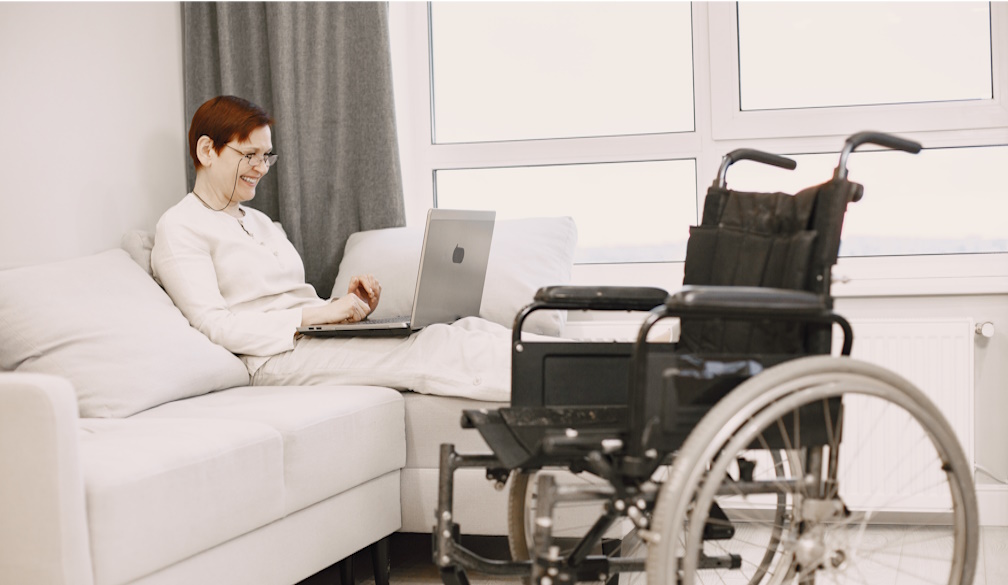
For decades, the concept of accessible housing was synonymous with clinical functionality. The focus was almost entirely on safety and medical necessity, often at the expense of aesthetics and the feeling of a true home. Interiors were frequently defined by hospital-grade flooring, stark lighting, and obvious grab rails that signaled a care facility rather than a private sanctuary.
Fortunately, a significant shift is occurring in the Australian property and design landscape. A new wave of Specialist Disability Accommodation (SDA) is emerging, driven by the philosophy that a home should be beautiful as well as functional. These modern residences are proving that high physical support needs can be met without compromising on style, comfort, or personal independence.
The Evolution from Clinical to Contemporary
The modern approach to accessible design borrows heavily from mainstream high-end residential trends. Architects and developers are now prioritising "invisible accessibility," where support features are seamlessly integrated into the home’s aesthetic.
Gone are the industrial-looking ramps and heavy doors. In their place, we see flush thresholds, automated smart-doors, and open-plan layouts that facilitate movement while looking undeniably modern. Kitchens feature adjustable benchtops that blend with premium cabinetry, and bathrooms utilise reinforced walls to support aids without the need for visible, institutional framing.
This evolution is not just about looks; it is about dignity. Living in a space that feels like a luxury apartment rather than a hospital ward has a profound impact on mental well-being and a sense of ownership over one's life.
Location and Lifestyle: The South Brisbane Example
A house does not exist in a vacuum. True independence requires connection to the community, which makes location just as critical as the internal floor plan. The best SDA developments are strategically situated near transport hubs, shopping precincts, and medical services, allowing residents to participate fully in community life.
This focus on location is why securing high-quality emergency disability housing has become a priority for many families and participants. Suburbs in this region offer a unique blend of quiet, leafy streets and immediate access to major urban amenities. Residents can enjoy the tranquility of a suburban lifestyle while being minutes away from specialised healthcare and social opportunities.
By positioning these homes in desirable neighbourhoods rather than on the outskirts of town, developers are dismantling the physical isolation that has historically plagued disability housing. It ensures that residents are not just housed but are active members of their local community.
Understanding the New Standards of Living
This transformation is underpinned by rigorous standards that ensure safety does not take a backseat to style. The National Disability Insurance Scheme (NDIS) has established clear guidelines to categorise these dwellings, ensuring they meet specific needs while maintaining high liveability.
Modern developments go beyond basic ramps, strictly adhering to the SDA Design Standard categories such as 'High Physical Support' and 'Improved Liveability' to create true independence. These categories act as a blueprint for architects, pushing them to innovate rather than just comply.
Key features often found in these modern standards include:
- Smart Home Automation: Voice or app-controlled lighting, blinds, and climate control that allow residents to manage their environment without physical strain.
- Structural Reinforcement: Walls and ceilings designed to support hoists and grab rails if they are needed in the future, allowing the home to adapt to changing needs.
- Resilient Design: Durable materials that can withstand wear and tear while maintaining a warm, residential texture and appearance.
- Emergency Power: Integrated backup power systems to ensure life-support equipment and automated doors function during outages.
Addressing the Supply Gap
Despite the advancements in design quality, the quantity of available housing remains a pressing issue across Australia. The demand for social and affordable housing continues to outstrip supply, creating a competitive market where vulnerable individuals are often left waiting.
While the nation is currently experiencing a construction push, aligning with broader House & Garden trends, the specific demand for high-quality, accessible living spaces requires more than just volume. It demands specialised design innovation. General social housing often lacks the specific structural and technological features required for high physical support, meaning the SDA sector plays a vital role in filling a sophisticated niche that general construction booms may miss.
A Future of Inclusive Living
The future of housing is inclusive. As the property market evolves, the line between "specialist" accommodation and "standard" high-quality housing is beginning to blur. Features like wide hallways, step-free access, and smart automation are becoming desirable for all homeowners, not just those with disabilities.
By prioritising design that empowers residents, the sector is doing more than building houses. It is constructing foundations for independent, fulfilling lives, proving that with the right design, a house can truly be a home for everyone.