Veteran fundraiser also changing the lives of ordinary Australians
- Written by: Times Media
What started out as a fundraiser to help veterans is now having a positive impact on ordinary Australians to achieve smaller dreams they never thought possible.
Dream Home Art Union, best known for its luxurious homes, has given away almost $850,000 in smaller prizes over the past year, which have been life changing for the hundreds of winners including an 80 year old woman whose $120,000 win enabled her to spend time with her terminally ill brother interstate.
“A $2,000 win can make a big difference. It can help pay off a credit card, cover a mortgage repayment or travel to spend time with loved ones,” said Ben Sawkins, General Manager Lotteries at Dream Home Art Union.
“People often think it’s only the big prizes that change lives, but that’s not the case,” Mr Sawkins said.
Over its 70-year history, the Dream Home Art Union has been raising vital funds for veteran support to assist veterans and their families with housing, employment, health and wellbeing.
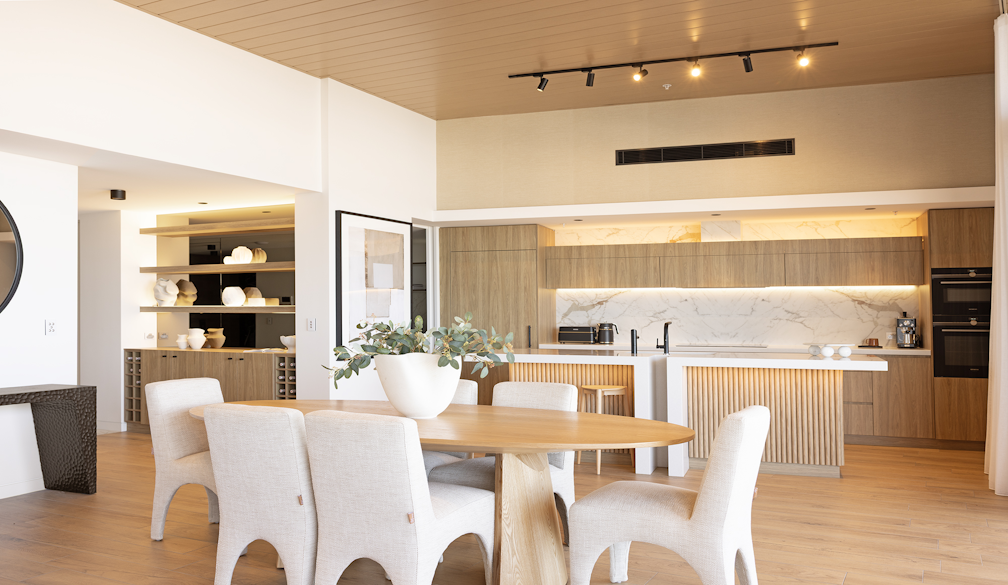
Next month, its biggest ever prize home will be drawn, the $15.5 million Sunshine Coast Kingdom which features an entire complex of 4 luxury apartments overlooking Kings Beach on Queensland’s Sunshine Coast.
Valued at more than $15.5 million, the record-breaking prize includes 3 fully furnished luxury apartments and a penthouse with a rooftop terrace, spa and outdoor kitchen. It also includes $250,000 in gold bullion, luxury furniture and electrical packages worth more than $525,000.
“The Sunshine Coast Kingdom is the largest prize home giveaway of its kind in Australian history,” Mr Sawkins said. “We have 6 winners who win $10 million-plus each year.”
The charity has proudly supported RSL Queensland for 70 years and in 2025 alone:
-
- 7,563 veterans and their families were supported to improve their health and wellbeing
-
- 5,293 claims and appeals were submitted to the Department of Veterans’ Affairs (DVA)
-
- 267 jobs were secured for veterans and their partners
-
- 227 veterans and families were housed in safe, permanent accommodation
-
- 4,670 individuals were supported through Veteran & Family Wellbeing Centres nationally
-
- 2,240 veterans enrolled in online wellbeing programs
-
- 10,104 mental health and rehabilitation sessions were delivered
“Whether it’s a simple ticket or a deeply held belief, every entry represents the possibility of something extraordinary while also supporting veterans and their families,” Mr Sawkins said.
About Dream Home Art Union
Dream Home Art Union is the fundraising arm of RSL Queensland, offering Australians the chance to win luxury homes while supporting veterans and their families. In 2026, it is proudly celebrating 70 years of making dreams come true - for winners, veterans, and the families who stand beside them. What started as a legacy of giving back has grown into a tradition that continues to change lives across generations.
Dream Home Art Union Draw 432 | AU432L | $15,509,132 | Tickets $10 | Close: 8pm (AEST) Wed 1 Jul 2026 | Drawn: 10am (AEST) Wed 8 Jul 2026 | T&Cs apply