


Noticing These 5 Issues? Contact an Emergency Plumber Now
- Written by: The Times
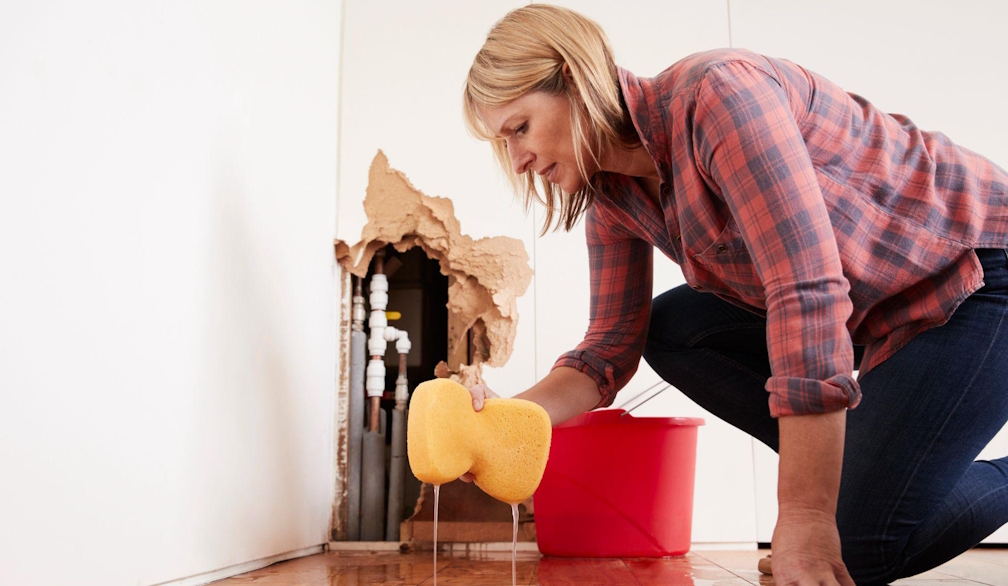
The invisible arteries running through homes, plumbing systems, streamline daily life discreetly. By engendering crucial chores such as freshwater supply and waste disposal, plumbing plays an under-appreciated yet vital role in every household’s functioning. However, the smooth flow of life can face turbulence when these systems run into trouble; plumbing problems left unchecked can not only disrupt this otherwise smooth sailing but also blossom into major concerns over time.
Recognising the early warning signs of these potential hazards can serve as an effective shield, preventing minor inconveniencies from escalating into serious problems. Certain issues warrant immediate engagement with professional troubleshooting – an emergency plumber’s intervention. The ability to discern when to make such a call can make a world of difference.
Persistent Dripping Faucets or Pipes
Amongst the list of problematic household occurrences, a perpetually dripping faucet or leaking pipe holds a central position. Although these menaces might seem innocuous at first, they can be a result of numerous underlying causes. Worn-out washers, valves not sealing correctly, or simply a corroded fixture can contribute to this daunting problem. Alongside the nuisance of their persistent soundtrack, continuous water loss can also carve a dent in your budget, with long-term utility bills taking a hit as litres of water get wasted over extended periods.
The cascading effect of these unresolved leakages does not confine itself to fiscal damage; it also beckons structural harm. Unattended drips can gradually seep into the household’s skeleton—walls and foundations—a fertile ground for mould growth or structural destabilisation. This reinforces the urgency of enlisting an emergency plumber nelson bay to handle these issues promptly, curtailing the damage to both your home and wallet.
Sudden Drop in Water Pressure
A sudden, inexplicable drop in water pressure might initially seem an annoyance, also inducing discomfort and inconvenience. However, such a phenomenon could be a harbinger of more significant adversities lurking beneath the surface. A spectrum of factors could cause this, from a simple clog obstructing water flow in pipes, faulty pressure regulators not functioning optimally, to hidden leaks silently depleting the pressure. Subpar water pressure doesn't merely impact activities such as taking showers or washing dishes—it iteratively turns routine tasks into frustratingly Herculean efforts.
An unexplained decrease in water pressure could also be a symptom of covert leaks or blockages nestled within the labyrinth of your plumbing system, concealed either within walls or underground. The wise course of action in such situations: promptly call in an experienced plumber who can conduct a thorough, step-by-step guide to emergency plumbing in Brisbane.
Overflowing or Slow-Draining Toilets
The alarm bells for homeowners ring loud and clear when facing a persistently slow-draining toilet or, worse, an overflowing one. These issues are usually symptomatic of underlying obstructions in the plumbing, improper disposal habits, or potential malfunctions with the toilet mechanism itself. An erratic toilet isn't merely a cause for concern at a functional level. From a health and safety perspective, it's a potential minefield, exposing inhabitants to a petri dish of harmful bacteria and germs.
Apart from health risks, an initially minor bog can swell to a major blockage nightmare, magnifying your plumbing concerns. Seasoned professional plumbers bring to the table the necessary toolkit for quickly and effectively diagnosing and rectifying these issues and safeguarding your family's wellbeing and your home's safety.
Cold Water from Hot Water Taps
An unexpected torrent of cold water from hot water taps can be jarringly surprising and signal trouble with the water heating system. Various factors could contribute to this: a temperamental thermostat kicking up a fuss, sediment build-up hindering the heater's operations, or any number of malfunctions within the water heater. A disrupted hot water supply can encumber your daily living. But, it also raises concerns around potential safety hazards. If faults lie within the electrical wiring or gas supply of the water heater, the risks associated with such problems can be severe and require immediate attention. Given the intricate nuances and safety implications surrounding hot water systems, the expertise of an emergency plumber becomes indispensable to handle such issues safely and effectively.
Mysterious Puddles or Water Stains
Discovering unexplained wet spots or water stains making mysterious appearances can set alarm bells ringing, indicating concealed leaks like an unpleasant treasure hunt. Numerous potential sources for such leakage could range from hidden pipes buried within walls, jinxed roof leaks managing to sneak water indoors, or malfunctioning appliances breaking trust. If left unresolved, these issues become moisture magnets, inviting a wealth of long-term damage such as wood rot, insidious mould growth, and structural debilitation. Hidden leaks might also covertly transform your home into a perfect breeding ground for unwelcome pests. Protecting your property involves an urgent call for professional inspection and repairs, mitigating further damage and ensuring your home’s integrity.
Acting Fast: Your Next Step in a Plumbing Emergency
Every homeowner should act quickly when plumbing issues arise to maintain a safe, healthy living space. Ignoring these early warning signs can lead to expensive repairs, water damage, and even health risks down the line. Recognising these indicators serves as your first line of defence—but knowing what to do next is equally important.
If you’re unsure how to handle a sudden burst pipe, overflowing toilet, or water heater failure, it helps to follow a step-by-step guide to emergency plumbing in Brisbane. Such a resource can walk you through immediate safety precautions, temporary fixes, and the process of contacting a licensed emergency plumber for urgent assistance.
Homeowners who take proactive measures—like regular inspections, timely maintenance, and swift responses to unusual plumbing behaviour—can significantly reduce the risk of major damage. When these warning signs surface, don’t delay. Engaging a trusted plumbing professional right away can save you stress, money, and the integrity of your home.
In plumbing emergencies, speed and preparedness are everything—so stay alert, stay informed, and act decisively when your home’s systems call for help.









