How to buy a coffee machine
- Written by: The Times
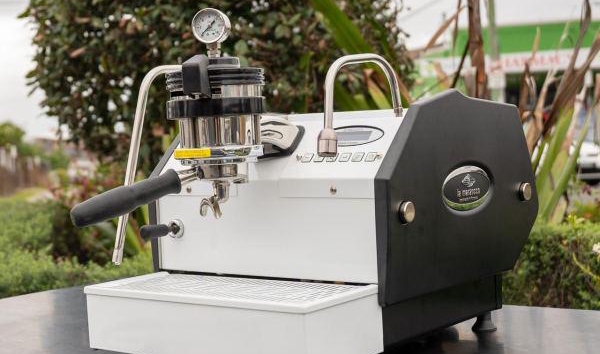
For coffee lovers, having a home coffee machine can transform your daily routine, allowing you to enjoy café-quality drinks without leaving your kitchen. But with so many options available, choosing the right one can feel overwhelming. Here’s a straightforward guide to help you pick the perfect coffee machine for your needs—without the confusion of endless brand comparisons.
Check out top Home coffee machines from Di pacci coffee machines.
We are going to discuss the top brands of home coffee machines and discuss what factors should be considered before buying a home coffee machine.
Top Brands For Home Coffee Machines
-
Lelit coffee machines
-
ECM coffee machines
-
Rocket coffee machines
-
Bellezza coffee machines
-
Expobar coffee machines
-
La marzocco coffee machines
Types of Home Coffee Machines:
1. Drip Coffee Makers
-
How it works: Heats water and drips it over ground coffee into a carafe.
-
Best for: People who want a simple, hands-off way to brew multiple cups.
-
Pros: Easy to use, good for families or offices, affordable.
-
Cons: Less control over flavor, can make weaker coffee if not properly measured.
-
Examples: Mr. Coffee, Technivorm Moccamaster (premium).
2. Espresso Machines
-
How it works: Forces hot water through finely-ground coffee at high pressure.
-
Best for: Espresso lovers, latte/cappuccino drinkers.
-
Types:
-
Manual Lever (most control, hardest to use)
-
Semi-Automatic (most common for home use)
-
Super-Automatic (grinds, tamps, and brews with one button)
-
-
Pros: Rich, concentrated coffee; can make milk-based drinks.
-
Cons: Expensive, requires maintenance, steep learning curve.
-
Examples: Breville Bambino, De'Longhi La Specialista, Gaggia Classic Pro.
3. Single-Serve / Pod Machines
-
How it works: Uses pre-packaged coffee pods or capsules.
-
Best for: Quick, convenient single cups with minimal cleanup.
-
Pros: Fast, no mess, variety of flavors.
-
Cons: Expensive per cup, environmental waste (though some brands offer recyclable pods).
-
Examples: Keurig K-Classic, Nespresso Vertuo.
4. French Press (Press Pot)
-
How it works: Coffee steeps in hot water, then a plunger filters the grounds.
-
Best for: Full-bodied, rich coffee with oils and sediment.
-
Pros: Cheap, no electricity needed, easy to use.
-
Cons: Requires coarse grind, can be gritty if not filtered well.
-
Examples: Bodum Chambord, Espro Press.
5. Pour-Over Coffee Makers (Manual Brewing)
-
How it works: Hot water is poured manually over coffee grounds in a filter.
-
Best for: Coffee enthusiasts who enjoy precision and ritual.
-
Pros: Clean, bright flavor; full control over brewing.
-
Cons: Takes practice, requires a gooseneck kettle for best results.
-
Examples: Hario V60, Chemex, Kalita Wave.
6. AeroPress
-
How it works: Combines immersion and pressure for a smooth, quick brew.
-
Best for: Travel, single servings, espresso-like coffee without a machine.
-
Pros: Fast, portable, easy to clean, versatile.
-
Cons: Small capacity, plastic build (though there’s a premium metal version).
7. Cold Brew Makers
-
How it works: Coffee grounds steep in cold water for 12-24 hours.
-
Best for: Smooth, low-acid iced coffee lovers.
-
Pros: Less bitter, great for summer, lasts days in the fridge.
-
Cons: Long brewing time, requires coarse grind.
-
Examples: Toddy Cold Brew System, Takeya Cold Brew Maker.
8. Moka Pot (Stovetop Espresso)
-
How it works: Uses steam pressure to brew strong coffee (not true espresso).
-
Best for: Strong, bold coffee similar to espresso.
-
Pros: Affordable, durable, no electricity needed.
-
Cons: Can be bitter if overheated, requires careful heat control.
-
Examples: Bialetti Moka Express.
9. Smart Coffee Makers
-
How it works: Wi-Fi or app-controlled machines with programmable settings.
-
Best for: Tech lovers who want scheduled brewing or remote control.
-
Pros: Convenient, customizable, some have grinders built-in.
-
Cons: Expensive, relies on apps/connectivity.
-
Examples: Breville Oracle Touch, Smarter Coffee Maker.
There are few factors that will help to buy a good home coffee machine-
1. Determine Your Brewing Preferences
Before buying a coffee machine, think about the kind of coffee you enjoy most. Do you prefer:
-
Espresso-based drinks (like lattes or cappuccinos)?
-
Simple black coffee (drip or pour-over style)?
-
Specialty brews (like cold brew or French press)?
Your preference will guide whether you need an espresso machine, a drip brewer, or a multi-functional device.
2. Consider Your Budget
Home coffee machines come in a wide price range. While some basic models are affordable, high-end machines with advanced features can be a bigger investment. Decide how much you’re willing to spend and look for machines that offer the best value within that range. A brand new home coffee machine can cost anywhere from $300-$6000 AUD.
3. Evaluate Key Features
Look for features that match your lifestyle:
A. Grinder Integration
Freshly ground beans make a huge difference in flavor. Machines with built-in grinders (or compatibility with a separate grinder) are ideal for espresso lovers.
B. Milk Frothing Capabilities
If you enjoy lattes or cappuccinos, look for:
-
Steam wands (for manual frothing)
-
Automatic milk frothers (for convenience)
C. Programmability & Customization
-
Adjustable brew strength
-
Temperature control
-
Pre-set brewing schedules (great for early risers)
D. Size & Footprint
Consider your kitchen space—some machines are compact, while others require dedicated counter space.
E. Maintenance & Cleaning
-
Self-cleaning functions (common in high-end models)
-
Removable parts (for easy washing)
-
Descaling alerts (to prevent mineral buildup)
4. Think About Maintenance
Some machines require regular cleaning and descaling, while others have self-cleaning functions. Consider how much effort you’re willing to put into upkeep before making a decision.
5. Where to Buy & Service Considerations
Purchasing from a reputable retailer ensures you get quality service and support. For example, at Di Pacci Coffee Company, customers receive personalized guidance to help them choose the right machine. Their team offers after-sales support, including maintenance tips and troubleshooting, ensuring your machine stays in great condition for years.
6. Test Before You Buy (If Possible)
If you have the chance, try out different machines in-store or read detailed reviews from verified buyers. Hands-on experience can help you decide which machine feels right for you.
Brewing the Perfect Choice
A home coffee machine is an investment in your daily happiness. By understanding your brewing preferences, must-have features, and long-term needs, you can find a machine that fits seamlessly into your routine.
Whether you opt for a simple pour-over setup or a high-end espresso machine, the key is choosing something that enhances—not complicates—your coffee ritual.
And remember, great coffee isn’t just about the machine—it’s about the beans, the water, and the care you put into each cup.
Final Thoughts
Buying a home coffee machine is an exciting step toward better coffee experiences at home. By focusing on your preferences, budget, and long-term needs, you can find a machine that fits seamlessly into your routine. And with the right support—like the expert service at Di Pacci Coffee Company—you’ll enjoy delicious coffee every morning with confidence.