What First-Time Buyers Must Know About Mortgages and Home Ownership
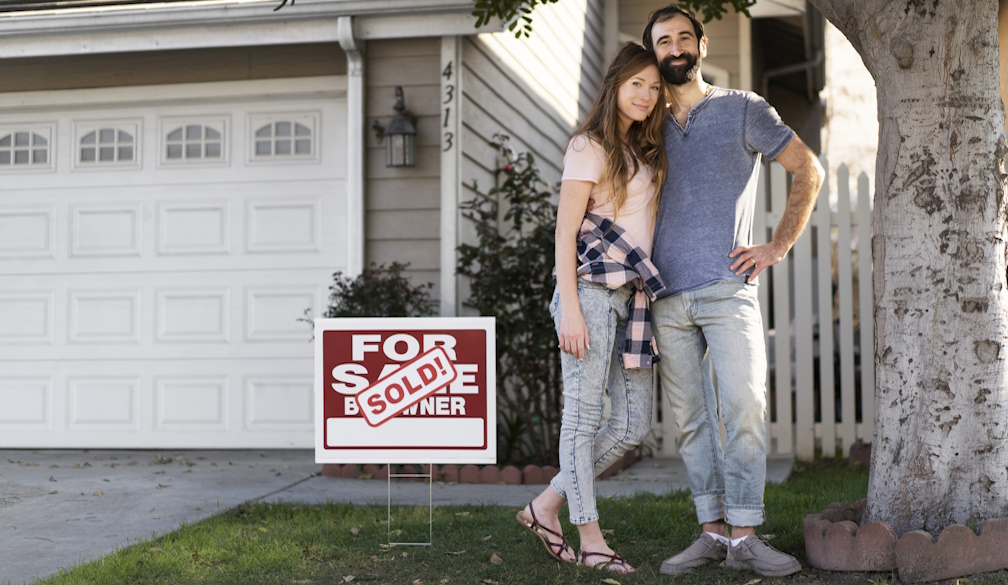
The reality is, owning a home isn’t for everyone. It’s a personal lifestyle decision rather than an obligation. But for those who want long-term security and like the idea of building equity, it’s a worthwhile move.
The process of going into home ownership can be confusing, and you’ll need all the knowledge and professional help you can find.
Here’s everything you need to know before contacting a trusted mortgage broker in Melbourne (or where you’re planning to buy)—and yes, you absolutely need one!
What Is a Mortgage, Really?
A mortgage, simply put, is a loan used to purchase a home. Instead of borrowing money from a friend and promising to pay them back in pizza, you borrow from a lender (like a bank) and pay them back over time—with interest.
The home itself is your “collateral,” which is another way of saying: if you stop paying, the lender can take the property. No pressure!
Most mortgages last:
- 15 years (higher monthly payments, less interest)
- 30 years (lower monthly payments, more interest)
There’s actually no “best” option here—just what works for your budget and life plans.
How Much House Can You Afford?
Here’s the honest truth: what you can actually afford and what a lender says you can afford are often very different figures.
A good rule of thumb:
- Your total monthly housing cost (mortgage + insurance + taxes) should not be more than 25–30% of your monthly income.
The Down Payment
You’ve probably heard you must put down 20% as downpayment for a new property. It’s common practice to pay that much upfront because it helps you:
- Avoid private mortgage insurance (PMI)
- Lower your monthly payment
However, you have the option to lower your upfront costs (up to 5%) through first-time buyer programmes, FHA loans, VA loans and local grants.
Credit Scores Are Important
Your credit score gives lenders a picture of your ability to pay. A higher score can get you better rates, which means you will pay a lower amount overall.
Before applying:
- Check your credit report
- Clear any high-interest debt first
- Avoid opening new credit accounts
These small improvements can save you thousands over the life of a loan.
Let’s Talk Interest Rates
In simple words, the interest rate is the “cost” of loaning money.
People obsess over rates for a good reason. A tiny difference, say 5.5% vs. 6%, might not sound like much, but that could mean tens of thousands of dollars over 30 years. It’s not drama—it’s math.
Learn about mortgage rates trends and shop around.
Closing Costs: The Sneaky Expenses No One Warn You About
So, yes, there are still fees to be paid when the home officially becomes yours. The closing costs usually include loan fees, appraisal, title insurance and legal and administrative costs. Expect to pay about 2–5% of the home’s price.
Sometimes, sellers can be asked to help cover these. Don’t be hesitant to negotiate because the worst they can say is no.
These can all seem overwhelming, but you don’t have to do it on your own. With the guidance of SSSA Financial, you can move forward and secure your first home successfully.