Google AI
The Times Australia
The Times House and garden

.

Home Safety 101: What You Shouldn’t Ignore

  • Written by The Times


  • Overloaded outlets, unattended cooking, and faulty smoke alarms are common fire hazards that many homeowners overlook.
  • Poorly maintained appliances, including electrical cords and HVAC systems, can pose serious safety risks.
  • Securing doors, installing motion-activated lights, and using innovative security systems can deter potential intruders.
  • Preventing slips and falls with non-slip mats, clear walkways, and sturdy handrails is essential for home safety.

Your home is your haven, but is it as secure as you think? Many homeowners focus on the obvious—locking doors, installing security cameras, and watching for intruders. However, some of the most significant risks to your safety are the ones you don’t see or think about daily.

Minor oversights can lead to significant accidents, from fire hazards to hidden dangers in household appliances. A faulty wire, an unnoticed gas leak, or a neglected smoke alarm can endanger your home and loved ones. That’s why staying proactive about home safety is essential.

In this guide, we’ll review some of the most commonly ignored safety issues and how to prevent them. A few simple precautions can go a long way in keeping your home secure and your family protected.

Fire Hazards You Might Be Overlooking

House fires are more common than you’d think, and many of them start due to preventable mistakes. While everyone knows not to leave candles burning unattended, plenty of everyday fire risks often go unnoticed.

  • Overloaded Outlets and Faulty Wiring
    Too many devices plugged into a single outlet can quickly overheat and spark a fire. If you notice flickering lights, buzzing sounds from your outlets, or frequently tripping circuit breakers, it’s time to call an electrician.
  • Smoke Alarms That Don’t Work
    Smoke alarms are your first line of defense in a fire, but they’re useless if the batteries are dead. Check your alarms at least once a month and replace the batteries twice a year.
  • Kitchen Fires from Unattended Cooking
    Cooking is the leading cause of home fires, and it’s often because someone walks away from the stove “just for a second.” Always stay in the kitchen when cooking, keep flammable items away from open flames, and have a fire extinguisher nearby.

Taking a few extra steps, like unplugging appliances when not in use and keeping flammable materials away from heat sources, can drastically reduce the fire risk in your home.

The Hidden Dangers of Home Appliances

Home appliances make life easier but can also pose serious safety risks if improperly maintained. Many homeowners don’t think twice about the potential hazards lurking in their devices.

One critical safety measure that often gets overlooked is a regular gas safety check. Gas leaks can be silent but deadly, leading to fires, explosions, or carbon monoxide poisoning. Scheduling routine inspections can prevent dangerous leaks and ensure your equipment functions safely if you use gas-powered appliances like stoves, water heaters, or fireplaces.

Beyond gas-related risks, other household appliances can also become hazards:

  • Frayed Electrical Cords – Damaged cords can spark and ignite nearby materials. Always check for wear and tear and replace cords if they appear cracked or frayed.
  • Clogged Dryer Vents – Lint buildup in dryer vents is a major fire hazard. Clean the lint trap after every load and deep-clean the vent at least once a year.
  • Poorly Maintained HVAC Systems – Dust, debris, and blockages in your heating and cooling systems can lead to inefficiency, overheating, or even carbon monoxide buildup. Regular servicing keeps everything running safely.

Taking a proactive approach to appliance maintenance ensures their longevity and the safety of everyone in your home.

Securing Your Home from Intruders

When people think of home safety, the first thing that comes to mind is often burglary prevention. While break-ins may not happen every day, they can be devastating when they do. The good news? Many intruders look for easy targets, meaning taking extra precautions can make all the difference.

  • Upgrade Your Locks
    Basic locks are easy to pick or break. For added security, consider installing deadbolts, smart locks, or reinforced strike plates. If you've recently moved into a new home, change the locks immediately—you never know who might have a spare key.
  • Don’t Make It Easy for Burglars
    One of the most straightforward security mistakes homeowners make is leaving spare keys outside under doormats or flower pots. Instead, give a spare key to a trusted neighbor or invest in a keyless entry system.
  • Use Outdoor Lighting to Deter Crime
    A well-lit home is a less appealing target for burglars. Motion-activated lights can scare off intruders before they get too close. Place them around entry points, walkways, and the garage to increase visibility at night.
  • Consider a Security System
    Whether it’s a high-tech alarm system or simple security cameras, having a visible security setup can deter potential burglars. Many modern systems allow you to monitor your home remotely, giving you peace of mind even when you're away.

Taking these precautions makes it much harder for intruders to break in, keeping your home and loved ones safe.

Preventing Falls and Injuries Inside Your Home

Not all home hazards come from fires or intruders. Many injuries happen due to simple slips, trips, and falls—especially for young children and older adults. Fortunately, most of these accidents can be prevented with a few adjustments around the house.

  • Watch Out for Slippery Floors
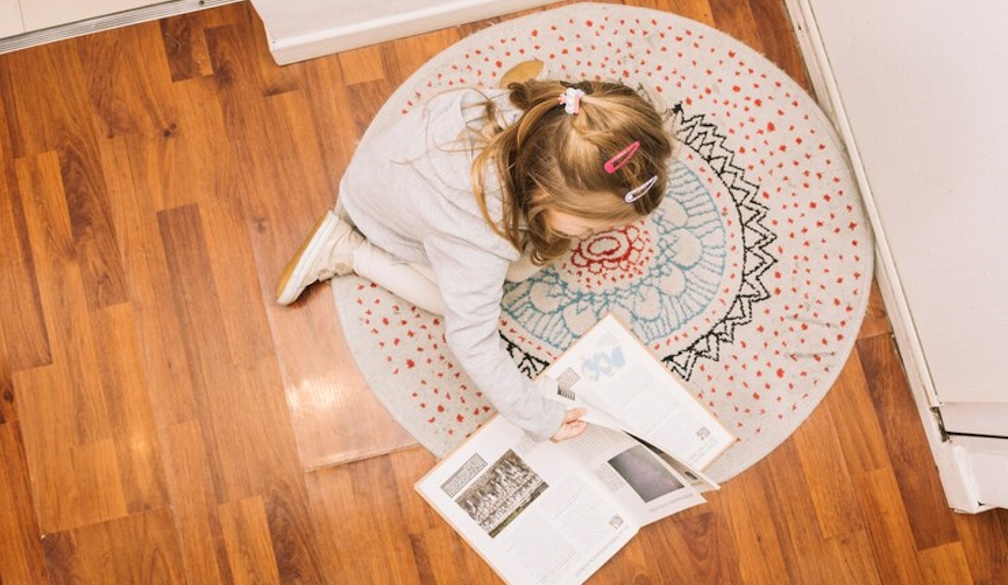
    Spilled water, loose rugs, and polished wood floors can create a slipping hazard. Use non-slip mats in the bathroom and kitchen, and clean up spills immediately to prevent accidents.
  • Secure Staircases and Walkways
    Falls on stairs are a leading cause of home injuries. Ensure handrails are sturdy, stairways are well-lit, and carpets or runners are securely fastened to prevent tripping.
  • Keep Hallways and Entryways Clear
    Cluttered spaces increase the risk of tripping. Shoes, cords, and random objects left in walkways can lead to unnecessary falls. Keep high-traffic areas tidy and use cable organizers to keep cords out of the way.
  • Make Safety a Priority for Kids and Seniors
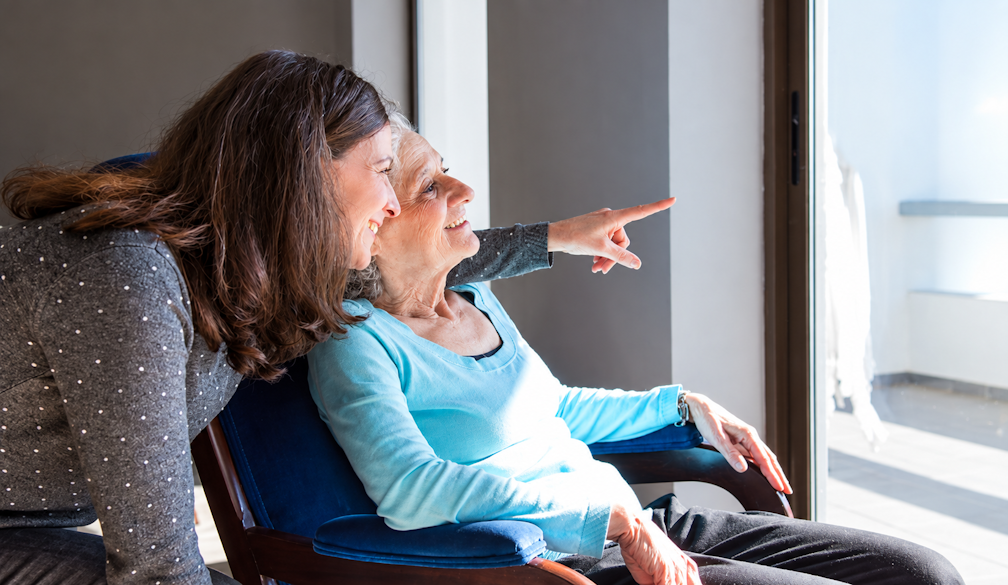
    If you have young children, install safety gates at the top and bottom of staircases. For older family members, consider adding grab bars in the bathroom and ensuring they have easy access to commonly used areas without obstacles.

By making small changes, you can create a safer living space for everyone in your home.

Conclusion

Home safety isn’t just about locking doors or installing alarms—it’s about being aware of the risks that often go unnoticed. Fires, faulty appliances, intruders, and household hazards can all pose serious dangers if left unchecked.

By staying proactive and making minor adjustments, you can significantly reduce the risks in your home. Regular maintenance, smart security choices, and safety-conscious habits will help create a safer environment for you and your loved ones.

The key to home safety is consistency. Take the time to check for potential hazards, keep up with routine inspections, and never ignore warning signs. A little effort now can prevent significant problems in the future.

Times Magazine

The Voltx Topband V1200 Portable Power Station Review

When we received a Voltx Topband V1200 portable power station for review, a staff member at The Time...

Is E10 fuel bad for my car? And could it save me money?

Fuel has become a precious, and increasingly expensive, commodity. The ongoing Middle East co...

Efficient Water Carts for Dust Control

Managing dust effectively is a critical challenge across numerous industries in Australia. From sp...

How new rules could stop AI scrapers destroying the internet

Australians are among the most anxious in the world[1] about artificial intelligence (AI). This...

Why Car Enthusiasts Are Turning to Container Shipping for Interstate Moves

Moving across the country requires careful planning and plenty of patience. The scale of domestic ...

What to know if you’re considering an EV

Soaring petrol prices are once again making many Australians think seriously[1] about switching ...

The Times Features

As the Iran war disrupts supplies, will it affect access to medicines?

As the conflict in the Middle East disrupts fuel, shipping and food supplies, many are starting ...

Finding the Right Disability Housing in Perth: A Practical Guide for Participants and Families

Where you live shapes everything. It shapes the relationships you build, the community you belong ...

Housing construction costs are already rising, increasing risks of builders going bust

For Australia’s building industry, higher fuel costs since the start of the Middle East war have...

Shou Sugi Ban: The Ancient Japanese Timber Technique Transforming Australian Architecture

There is something quietly extraordinary about a building material that has been refined over cent...

The Complete Guide to LED Installation: What Homeowners and Business Owners Need to Know

Electricity bills in Australia are among the highest in the developed world, and lighting accounts...

I’m close to retirement age. What are my options for drawing on my super savings?

Retiring well means making a series of decisions to ensure a financially secure post-work life. ...

Samsung expands B2B Mobile eXperience distribution with Ingram Micro Australia

The channel diversification reinforcers the Australian B2B division’s positive trajectory SYDNE...

Focusing on how and why you eat – not just what – may be the key to healthy eating

When most people think about “healthy eating”, they usually focus on what they eat. That might...

HARRY POTTER™: THE EXHIBITION TICKETS NOW ON SALE!

An Enchanting Exhibition Celebrating the world of Harry Potter Opens in SYDNEY on 14 MAY Get r...