Evaluating the Value of Energy-Efficient Hot Water Systems in Australia
- Written by: The Times
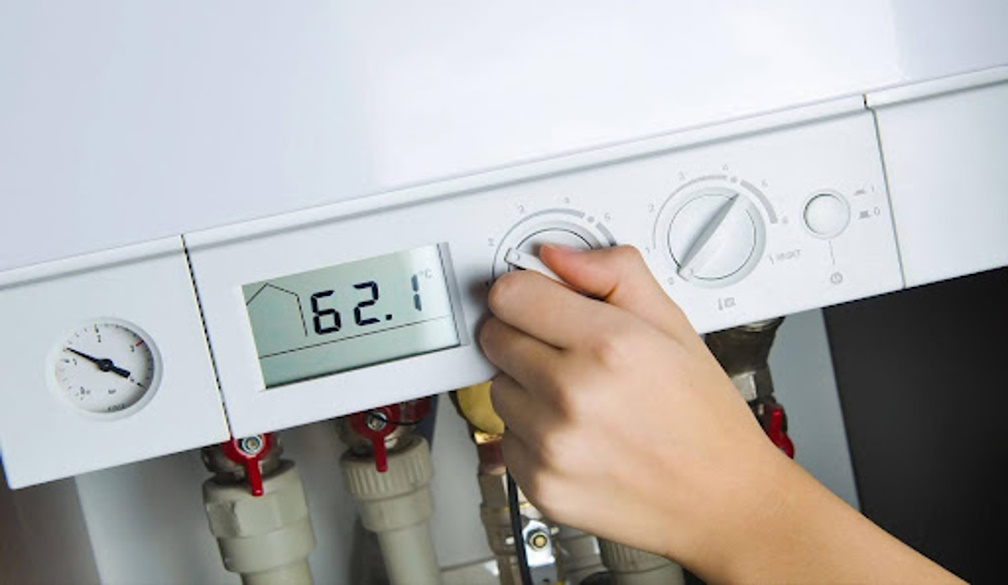
There has been a growing push towards energy efficiency in Australian households in recent years, and for good reason. With rising energy costs and increased awareness of environmental issues, homeowners are placing greater emphasis on reducing their carbon footprint. Amongst various home systems, hot water systems account for a significant portion of household energy consumption. In Australia, hot water systems alone constitute nearly 21% of the average household energy usage, making them a prime target for efficiency improvements.
Energy-efficient hot water systems, such as heat pumps, solar water heaters, and gas continuous flow systems, promise considerable savings and environmental benefits. These systems are designed to consume less energy and produce fewer greenhouse gas emissions. This article evaluates the financial and environmental value of adopting energy-efficient hot water systems in Australian homes.
The Current State of Hot Water Systems in Australia
In Australian households, conventional electric storage hot water systems have long been the norm. These systems, although effective, tend to be energy hogs. In contrast, energy-efficient systems like heat pumps and solar-powered options significantly reduce electricity demand. Heat pumps, for example, use electricity to transfer heat rather than generate it, offering energy savings of up to 70% compared to electric systems.
Governmental bodies in Australia are encouraging the shift to energy-efficient hot water systems through regulations and incentives. Programs like the Small-Scale Renewable Energy Scheme offer rebates, making such systems more accessible. Despite these efforts, challenges remain due to the upfront costs and the occasional complexity of installation.
Financial Benefits of Energy-Efficient Hot Water Systems
Though energy-efficient hot water systems often come with higher upfront costs compared to their traditional counterparts, the long-term savings can be substantial. Over time, the reduction in energy bills tends to outweigh initial expenses. Homeowners can expect significant savings, potentially slashing water heating costs by up to 75% with solar water heaters.
Find out if energy savings offset costs by considering the total cost-benefit analysis of these systems.
Government incentives sweeten the deal further. Rebates and subsidies can offset installation costs, making energy-efficient systems a financially attractive option. For homeowners looking to sell, properties equipped with such systems tend to have higher market value due to their lower energy costs and sustainability features.
A detailed cost-benefit analysis over the lifespan of these systems reveals their potential to provide financial relief and a positive contribution to the environment, highlighting the dual benefits they offer. For those wondering if energy savings offset costs, the long-term financial advantages certainly make them worthwhile investments.
Environmental Impact and Sustainability
Switching to energy-efficient hot water systems presents a notable opportunity to reduce household greenhouse gas emissions. By decreasing reliance on fossil fuels, these systems play a crucial role in cutting emissions, aligning with Australia's sustainability goals.
Australia is committed to reducing carbon emissions and increasing sustainability in housing. Adopting energy-efficient systems reduces household carbon footprints, contributing significantly to these national targets. Widespread use of such systems would diminish environmental impact and promote greener, sustainable communities for future generations.
Technological Advances in Energy-Efficient Hot Water Systems
The industry is continually evolving, with innovations making energy-efficient hot water systems even more attractive. Emerging technologies include innovative features that allow integration with home energy management systems. This enhances the system’s efficiency by maximising usage during off-peak times or when renewable energy is plentiful.
When evaluating available technologies in the Australian market, options like gas continuous flow, solar thermal systems, and advanced electric heat pumps stand out. Each has its distinct advantages and can suit different household needs and geographic locations. Looking ahead, further advancements are expected in smart technologies and integrative solutions, making these systems even more efficient and user-friendly.
Consumer Considerations and Choosing the Right System
Selecting the best energy-efficient hot water system for a household involves careful consideration of several factors. Homeowners need to assess the size of their home, local climate, and hot water needs. Performance can vary widely between different types of systems; what might be suitable for one household could be less effective for another.
Professional installation ensures the system's optimal performance and minimises any potential issues. Regular maintenance is equally crucial to maximise lifespan and efficiency. Case studies from Australian households reveal that informed choices and proper installation lead to significant energy savings and increased satisfaction.
Conclusion
To sum up, energy-efficient hot water systems in Australia bring both substantial financial and environmental benefits. They represent a significant step towards sustainable living, offering long-term savings on energy bills while helping reduce the household's carbon footprint. For Australian homeowners, considering an upgrade to a more efficient system is not just about economic gain but an investment in a sustainable future.
With the continuous emphasis on sustainable energy solutions, upgrading hot water systems remains increasingly important. The transition towards energy efficiency in the Australian housing sector is accelerating, with those making the switch enjoying both immediate and future advantages.