How airline fares are set and should we expect lower fares any time soon?
- Written by: Times Media
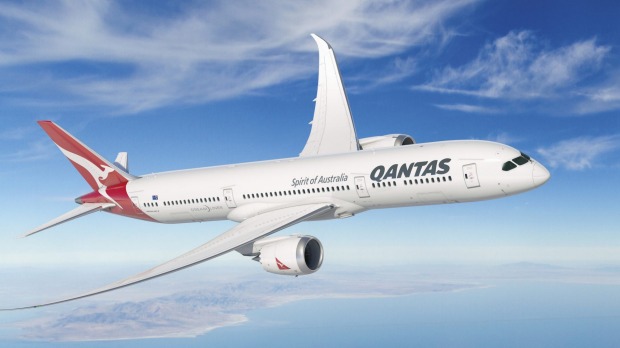
Airline ticket prices may seem mysterious (why is the same flight one price one day, quite another the next?), but behind them is a fairly structured process combining cost inputs, market segmentation, demand forecasting, and algorithmic “yield management”. Let’s break it down step-by-step.
1. Cost base & route economics
At the most basic level, airlines must cover their operating costs (fuel, crew, aircraft lease or purchase, airport fees, maintenance, ground handling, etc) plus allow for a margin. On each route they will evaluate whether they expect to make money given expected demand and competition.
Costs thus set the floor (to a degree) for fares: if the cost goes up (fuel, labor, airport charges) then there is upward pressure on fares.
2. Market segmentation & fare‐class buckets
Airlines don’t set one price for “economy on route X to Y” and leave it at that. Instead:
-
They create a fare structure with multiple price points (often via booking classes or fare buckets) targeted at different customer segments (e.g., budget leisure vs business traveller) and behaviours.
-
Within each booking class or fare bucket, there are different rules (advance purchase required, minimum/maximum stay, refund/change penalties, day-of-week restrictions etc).
-
For example, cheaper “advance purchase” seats may be sold early, subject to many restrictions; premium seats may be sold later, more flexibly, at higher price.
3. Demand forecasting, seat inventory & dynamic pricing
Key to airline pricing is anticipating how many seats they will sell, at what price, when — and then adjusting as time passes. Some of the mechanics:
-
Airlines forecast demand per route (and per departure) and allocate seats across fare buckets accordingly.
-
As cheaper buckets fill or demand is higher than anticipated, the fare for remaining seats goes up (or higher-price buckets opened) to maximise revenue.
-
Conversely, if demand is weak or seats remain unsold, airlines may drop prices (or make more seats available at lower fare).
-
The mechanism is greatly aided by dynamic pricing algorithms (software that monitors sales, competitor pricing, route demand, time to departure, calendar effects) and optimises prices accordingly.
4. Time, seasonality, route-specific factors
Important factors influencing fare setting include:
-
Advance purchase/time to departure: Generally the further out you book (for many leisure fares), the better chance of a lower fare; as departure nears, fares often increase (though last-minute “distress” fares may drop).
-
Day of week / time of travel: Some days are lower demand (mid-week) and fare tends to be lower; weekends/higher demand days cost more.
-
Seasonality / peak vs off-peak: Holidays, school breaks, major events create high demand => higher fares; conversely off-peak may allow lower fares.
-
Route competition and capacity: If many airlines serve a route (or add capacity) competition can force fares down; if only one carrier dominates a route, fares may stay elevated.
-
Distance, route length and market type (domestic vs international): Longer routes, international routes typically cost more; also regulatory/taxation/airport charges vary.
5. Booking class limits, fare filing and distribution mechanics
Some more “behind the scenes” matters:
-
Airlines assign seats to specific booking classes (e.g., “Y”, “K”, “M” etc) with each class having limited availability and linked to fares.
-
Fares are published (often via systems like Airline Tariff Publishing Company – ATPCO) and updated at certain intervals rather than in truly real-time.
-
This means while the dynamic algorithms are powerful, there are operational lags/constraints in how quickly fare changes can appear.
6. Financial & strategic considerations
Beyond just individual flight economics, airlines also consider broader strategies:
-
Maximising revenue from premium segments (business class, flexible tickets) even if economy seats are sold cheaply.
-
Using ancillary revenue (baggage fees, seat selection, loyalty programmes) to subsidise ticket pricing.
-
Route network planning: balancing load factors (how full the plane is) with yield (average revenue per passenger) — better to fill more seats at moderate fare than many empty seats at high fare.
-
Sensitivity to cost inputs: fuel prices, wage costs, maintenance, airport charges, regulatory/tax burden all impact fare setting.
Will lower airfares happen any time soon?
Having laid out how fares are set, the next question is: are we likely to see lower fares in the near future? The short answer: possibly yes, but not guaranteed — and in many cases the pressure is upward. Here’s the detail:
Indicators pointing to possible fare reductions
-
According to recent analysis, some segments are showing downward pressure: e.g., an article in May 2025 said “lower demand for travel has put downward pricing pressure on airfares”.
-
Specific markets/routes where capacity is increasing (e.g., new entrants, more competition) may see fare cuts. For example, some Australian-market commentary expected up to 10% reduction on certain long-haul routes when a major carrier resumed service.
-
Off-peak periods (after major holidays, mid-week travel) remain times when fares tend to drop relative to peak demand periods.
Counter-pressures that may keep fares elevated
-
Airlines still face elevated cost bases: fuel, staffing (post-pandemic labour market), aircraft maintenance/backlog, regulatory/airport charges. These push fares upward or limit how much airlines are willing to discount.
-
According to one forecast, fares were expected to be “significantly elevated” in the first half of 2025.
-
With many people still eager to travel (pent-up leisure demand post-pandemic), airlines may keep fares higher until that demand softens.
-
Some airlines may deliberately limit fare reductions to protect yield (average revenue per seat) rather than chasing full seats at low margin.
So what to expect — in short
-
Domestic (Australia / short haul): On many popular leisure routes, I would expect fare pressure to remain stable or moderately down in the off-peak. But for peak periods (school holidays, major events) fares are unlikely to drop much below current levels — perhaps slight dips.
-
International / long-haul: More variability. Some routes may see fare erosion if new competitors enter or capacity expands. But high cost structures (fuel, aircraft, long-haul staffing) mean large fare drops are unlikely across the board very soon.
-
Timing of “good deals”: The best chance of significantly lower fares is when demand softens (e.g., outside school holidays) or special sales/promotions are launched — not when demand is high.
-
Be cautious about expecting major year-on-year drops: The structural cost pressures and the airline business model (yield management) mean airlines are risk-averse to large fare reductions across the board.
Practical implications for you
Since you have interest in retail, consumer behaviour and loyalty, it’s worth highlighting how this affects consumers and marketing strategies:
-
For travellers:
-
Use these strategies: book midweek flights, avoid peak holiday blocks, be flexible on dates if possible. (Data show Tuesdays/Wednesdays often cheaper.
-
Watch for fare drops/offers when demand softens, but don’t rely solely on “prices will come down” for major savings—sometimes booking early is better.
-
For a business with loyalty or rewards programs (like your café client), you might tie in travel-loyalty thinking: the consumer expects value and deals, so clear communication around fare trends helps set expectations.
-
-
For marketers in travel or related sectors:
-
Highlight ‘off-peak’ value: Since fares may drop modestly, marketing campaigns could focus on “why travel now/weekdays/school-holiday-avoiders get better deals”.
-
Segment your audience: Much like airlines segment price buckets, you can tailor messaging to high-value vs cost-sensitive customers (loyal vs occasional travellers).
-
Leverage ancillary value: While base fares may not drop dramatically, your loyalty program or value add (e.g., lounge access, free baggage, flexible change) can differentiate and appeal.
-
Monitor competition & capacity: If a new airline enters a route (or expands), this may trigger downward price pressure — good marketing window to highlight “new-market deals”.
-
Conclusion
Airline fares are the result of a sophisticated blending of cost inputs, demand forecasting, market segmentation and dynamic pricing algorithms. While the underlying process is complex, the logic boils down to: sell seats at the right price to the right traveller at the right moment.
As for lower fares coming soon — yes, there are pockets and opportunities (especially when demand weakens or competition increases). But broad, across-the-board fare reductions are unlikely in the immediate term given cost pressures and yield considerations.
If you’re planning travel (or marketing travel-adjacent services) it pays to keep an eye on timing, flexibility and value-added offers rather than relying purely on big fare drops.