Keeping Knees in the Game
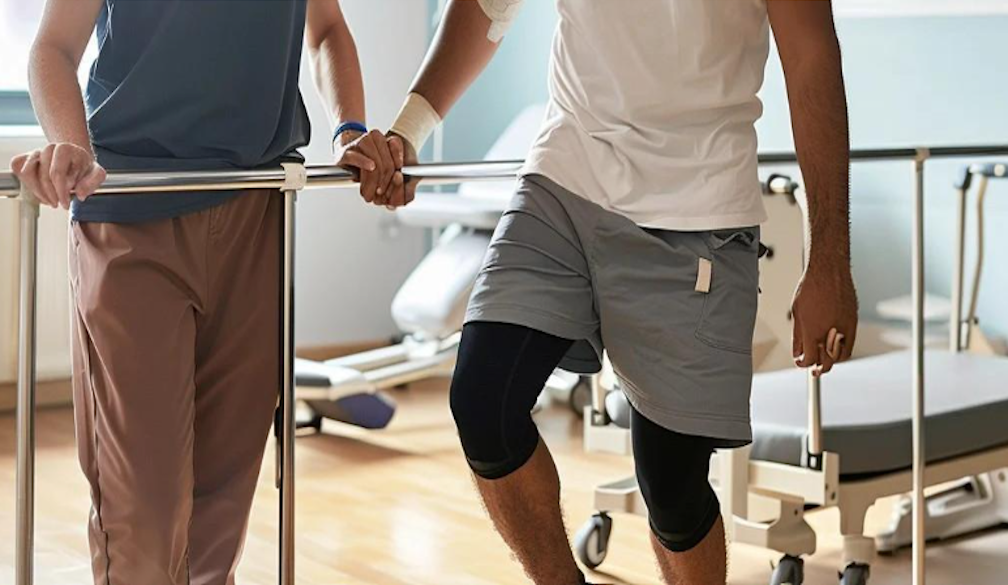
Understanding Osteoarthritis, ACL Rehabilitation, and the Role of Bracing in Knee Health
Knees—they carry us through life’s most pivotal moments, from chasing a soccer ball across the pitch to navigating icy slopes on a ski trip or simply walking the dog. These complex joints are essential to movement, yet they are also among the most vulnerable parts of the human body. Whether due to age, injury, or overuse, knee problems have become an increasingly prevalent issue across the globe, affecting millions of people each year.
For many, the pain or stiffness in their knees is a gentle (or sometimes not-so-gentle) reminder of the wear and tear we place on our joints over time. Osteoarthritis, often dubbed the "wear-and-tear arthritis," is one of the leading causes of knee pain worldwide.
However, it's not just older individuals who find themselves sidelined by knee problems—athletes, particularly those participating in high-impact sports, are equally vulnerable. Fortunately, advances in rehabilitation techniques and preventive strategies, such as the Cross Bracing ACL Rehabilitation Protocol, are paving the way for improved knee health and recovery.
The Growing Impact of Osteoarthritis
Osteoarthritis is a degenerative condition characterized by the breakdown of cartilage in joints, leading to pain, swelling, and decreased mobility. The knee, being a load-bearing joint, is particularly prone to this condition. According to the World Health Organization (WHO), approximately 10% of men and 18% of women over the age of 60 suffer from symptomatic osteoarthritis.
But osteoarthritis isn’t just a condition for seniors. In fact, many younger individuals are finding themselves grappling with this issue as a result of previous injuries, particularly to the anterior cruciate ligament (ACL) or meniscus. The repetitive strain from sports like running, soccer, basketball, or skiing can exacerbate the wear and tear on the knees, hastening the onset of arthritis.
So, what can be done to preserve knee health and prevent osteoarthritis from sidelining our favorite activities? The answer lies in a mix of prevention, timely treatment, and innovative rehabilitation techniques.
Sports Injuries and the Rise of ACL Tears
Sports-related knee injuries are on the rise, with ACL tears standing out as one of the most common and debilitating issues for athletes of all ages. The ACL, one of the key ligaments stabilizing the knee, is often damaged during sudden pivoting movements or high-impact landings—think of a skier taking a sharp turn or a soccer player changing direction mid-sprint.
An ACL injury is not only painful but also carries long-term consequences. Studies have shown that individuals who tear their ACL are at a significantly higher risk of developing osteoarthritis in the years following the injury. This connection underscores the importance of proper rehabilitation following an ACL tear, which brings us to the promising developments in treatment protocols.
The Cross Bracing ACL Rehabilitation Protocol
Traditionally, ACL injuries were treated with either surgery or long periods of rest and physiotherapy. However, the emergence of the Cross Bracing ACL Rehabilitation Protocol is revolutionising recovery for patients. This approach focuses on using functional knee braces in conjunction with targeted physiotherapy exercises to aid healing and promote joint stability.
The protocol involves bracing the knee in specific positions to encourage natural ligament repair, combined with progressive strengthening exercises that help restore balance, strength, and range of motion. By supporting the knee during its most vulnerable stages of recovery, the Cross Bracing Protocol not only reduces the likelihood of re-injury but also helps mitigate the long-term risks of osteoarthritis.
Athletes, in particular, have found this protocol to be a game-changer, allowing them to return to their sport more confidently and with a stronger foundation for future performance. However, it's not just the athletic community benefiting from advances in bracing—everyday individuals, from avid hikers to older adults, are discovering the value of supportive devices for maintaining knee health.
The Role of Knee Braces in Recovery and Prevention
Knee braces have long been used in both the prevention and rehabilitation of injuries, but their importance is often underestimated. From providing stability during recovery to alleviating pain in osteoarthritis patients, knee braces play a vital role in supporting joint health.
In fact, when The Times reached out to Orthotics Plus, a company specializing in orthopedic support, they shared some valuable insights into the role knee braces play across different communities. "In the aged community, we’ve seen a growing need for knee braces as individuals look for non-surgical options to manage osteoarthritis and remain active," a representative explained. "Meanwhile, in the sporting community, knee braces have become an essential tool not just for rehabilitation but for injury prevention as well."
Orthotics Plus also shared their insights on recommendations for Aussie sportsplayers, highlighting the importance of choosing the right brace for specific activities. Skiing, with its high-impact turns and unpredictable terrain, places immense strain on the knees, making protective bracing a crucial part of injury prevention. The article offers valuable advice for athletes and enthusiasts, emphasizing how the right brace can enhance stability and reduce the risk of injury on the slopes.
Keeping Your Knees in the Game
Whether you’re a weekend warrior hitting the ski slopes or an older adult looking to stay active, protecting your knees should be a top priority. Here are a few practical tips to maintain knee health and prevent long-term issues:
- Strengthen Supporting Muscles: The muscles surrounding your knee, including the quadriceps and hamstrings, play a key role in joint stability. Incorporate exercises like squats, lunges, and leg presses into your routine to keep these muscles strong.
- Warm Up and Stretch: Before any physical activity, ensure you properly warm up and stretch to reduce the risk of injury. Focus on dynamic stretches that mimic the movements you’ll be performing.
- Choose the Right Gear: Whether it’s wearing shock-absorbing shoes for running or selecting a high-quality knee brace for skiing, having the right gear can significantly reduce strain on your knees.
- Listen to Your Body: Don’t ignore persistent knee pain or discomfort. Early intervention is key to preventing long-term damage.
- Explore Rehabilitation Protocols: If you experience an ACL injury or chronic knee pain, consult a healthcare professional about innovative rehabilitation approaches like the Cross Bracing ACL Rehabilitation Protocol.
A Future with Healthier Knees
Knee health may not be the most glamorous topic, but its importance cannot be overstated. As we learn more about the causes of knee injuries and conditions like osteoarthritis, it’s clear that prevention and early intervention are critical. With advancements in bracing technology and rehabilitation protocols, the future looks brighter for those hoping to stay active and pain-free.
So, whether you’re an athlete pushing your limits, a skier carving through fresh powder, or simply someone looking to enjoy a walk in the park, remember: your knees are your partners in movement. Take care of them, and they’ll take care of you.