5 years on, COVID remains NZ’s most important infectious disease – it still demands a strong response
- Written by: Michael Baker, Professor of Public Health, University of Otago
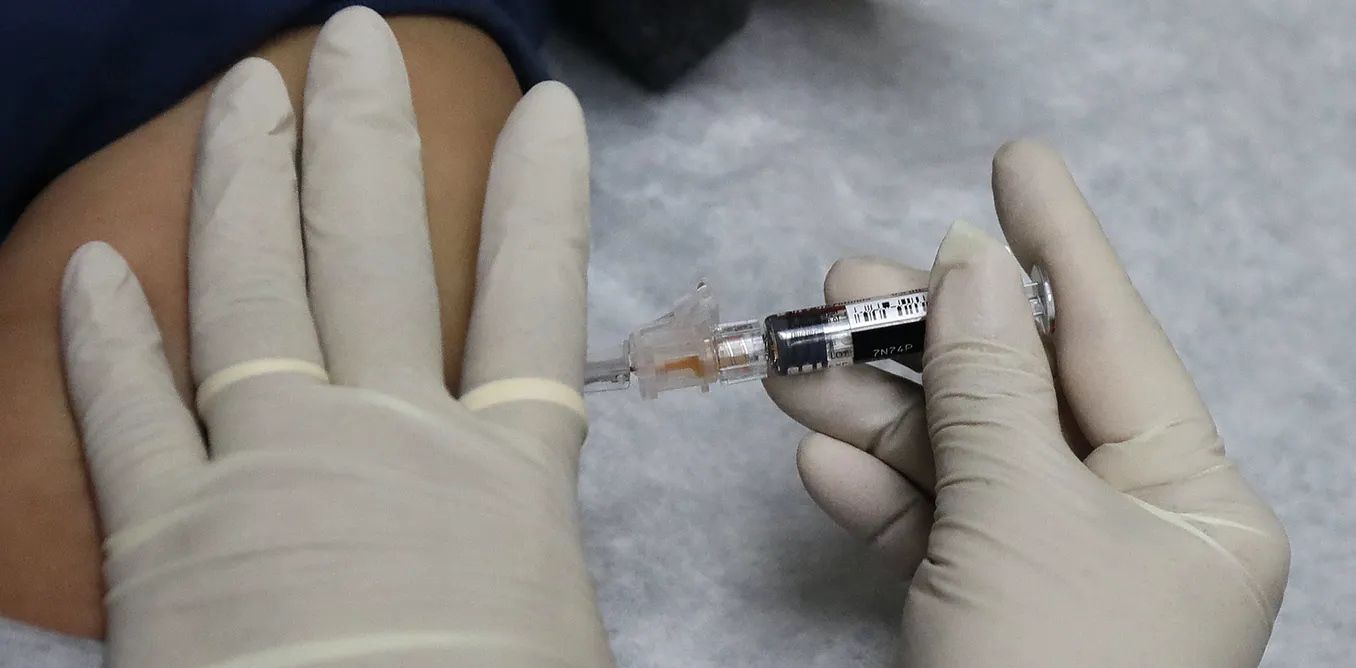
This Friday, February 28, marks five years since COVID-19 was first reported[1] in Aotearoa New Zealand. At a population level, it remains our most harmful infectious disease, with thousands of hospitalisations and 664 deaths last year.
Understandably perhaps, many people want to move on from the early pandemic years, and there is a temptation to minimise COVID’s threat now the emergency response has passed.
But it deserves a proportionate response that draws on the rich evidence we now have of how to minimise the harms of respiratory infections and the health and economic benefits that come from managing them well.
The epidemiology of the SARS-CoV-2 virus continues to change. Hospitalisations provide the most consistent measure[2] of incidence trends. Wastewater testing shows similar successive waves of infection[3].
The past five years divide into a successful elimination response[4] from March 2020 to late 2021 and a mitigation period from February 2022 onwards.
The mitigation phase, which has now lasted three years, has been driven by Omicron variants of SARS-CoV-2, with seven waves of generally decreasing size (see graph above).
Total hospitalisations have dropped from a peak of more than 22,000 in 2022 to about 9,000 in 2024 (a 60% decline). Deaths attributed to COVID have also decreased from 2,757 in 2022 to 664 in 2024 (a 76% decline). These drops are likely to reflect changes in both the virus and population immunity[5] arising from vaccination and infection.
The timing and size of COVID waves remain unpredictable. They are not following a seasonal pattern[6] like influenza. Only two of the seven Omicron waves peaked in the flu season (see graph above).
Although further declines are likely, it is possible a large-scale change in the virus could emerge – as we’ve seen with Delta and Omicron variants – and reverse this pattern. We still need to plan for the possibility of severe future variants as well as for other types of pandemics that might be becoming more likely[7].
Health and economic impacts of Long COVID
Despite a favourable downward trend, deaths and hospitalisations from COVID are still higher than those estimated for influenza, which is probably our next most burdensome infectious disease.
It is also a major cause of health inequities[8] with significantly worse infection outcomes for Māori and Pacific peoples.
Continuing high rates of repeat infections are also driving Long COVID, with the risk estimated at 4-14% per infection[9]. Long COVID occurs with infections of all intensities[10], with both initial infection and reinfections[11].
Consequently, the prevalence of Long COVID is likely to increase over time[12], with substantial health and economic consequences[13].
How to respond to the ongoing pandemic
We know what works to reduce the harms from COVID. Above all, we need an evidence-informed national plan, clear communication, engagement with key partners (including the health sector, public and Māori), resources and implementation. Key elements include:
1. Continuing and enhancing highly effective COVID surveillance
Surveillance systems include use of wastewater testing and whole-genome sequencing which guide our response. We need to add a focus on hospital-acquired COVID which is an important source of infections and deaths, estimated to have caused about 14% of COVID deaths in New South Wales in 2023[14], which would represent about 150 deaths that year in New Zealand.
2. Promoting regular repeat vaccinations
The currently available Pfizer JN.1 vaccine provides a reasonable match with the circulating strain of the virus. This vaccine is very safe[15] and effective at reducing many adverse effects of infection, including Long COVID, but requires regular additional doses[16] for all age groups to maintain effectiveness.
3. Using public health and social measures to reduce infections
These measures include improving indoor air quality and promoting testing and self-isolation for those with respiratory symptoms. Reintroducing free RAT tests and sick-leave support would help.
Wearing respirator masks (for example, N95) is highly effective[17], particularly in confined indoor environments such as public transport. Given the severe effects of hospital-acquired COVID, health settings need particular attention. Evidence supports the effectiveness and value of admission testing of patients and staff wearing N95 masks[18].
4. Taking specific measures to reduce and manage Long Covid
This means active steps to reduce both the incidence of infection (with public health and social measures) and the severity and duration of illness (with vaccination and antivirals[19]). New Zealand needs to offer more than a single additional dose for younger age groups to improve their protection from Long COVID.
5. Updating and implementing our pandemic preparedness and response plan
The Royal Commission of Inquiry into COVID delivered a set of recommendations based on the pandemic experience[20]. Now is the time to implement them.
Our capacity could be supported through a New Zealand Centre for Disease Control[21] and a pandemic cooperation agreement with Australia[22]. Developing these pandemic capabilities would help to minimise COVID and other respiratory infections[23], including influenza.
All of these measures would be supported by a strong, systematic response to the corrosive effects of misinformation and disinformation[24].
The past five years have taught us a great deal about pandemic diseases and how to manage them. A key lesson from New Zealand’s highly successful early elimination response was the importance of good evidence-informed leadership and a cohesive plan[25].
Such leadership is still needed now to mitigate the harm from COVID which remains an ongoing threat to individual and societal wellbeing.
References
- ^ first reported (www.rnz.co.nz)
- ^ Hospitalisations provide the most consistent measure (tewhatuora.shinyapps.io)
- ^ similar successive waves of infection (esr-cri.shinyapps.io)
- ^ divide into a successful elimination response (nzmj.org.nz)
- ^ population immunity (www.nature.com)
- ^ not following a seasonal pattern (www.cdc.gov)
- ^ that might be becoming more likely (www.rand.org)
- ^ major cause of health inequities (bmjopen.bmj.com)
- ^ risk estimated at 4-14% per infection (www.phcc.org.nz)
- ^ all intensities (www.nejm.org)
- ^ initial infection and reinfections (www.thelancet.com)
- ^ likely to increase over time (academic.oup.com)
- ^ economic consequences (www.phcc.org.nz)
- ^ 14% of COVID deaths in New South Wales in 2023 (www.abc.net.au)
- ^ very safe (www.phcc.org.nz)
- ^ requires regular additional doses (www.phcc.org.nz)
- ^ highly effective (journals.asm.org)
- ^ admission testing of patients and staff wearing N95 masks (www.journalofhospitalinfection.com)
- ^ antivirals (pubmed.ncbi.nlm.nih.gov)
- ^ recommendations based on the pandemic experience (www.phcc.org.nz)
- ^ New Zealand Centre for Disease Control (www.phcc.org.nz)
- ^ pandemic cooperation agreement with Australia (www.phcc.org.nz)
- ^ other respiratory infections (doi.org)
- ^ corrosive effects of misinformation and disinformation (www.jmir.org)
- ^ evidence-informed leadership and a cohesive plan (www.bmj.com)