Specialised nutrition gains momentum in supporting those living with early Alzheimer's disease

With high public interest in Alzheimer’s disease, there is growing awareness of the important role nutrition plays in supporting memory and cognitive function in people diagnosed with Mild Cognitive Impairment (MCI) – an early stage of the disease.
It’s estimated that Mild Cognitive Impairment affects approximately 10-20% of people aged 60 years and over1,2, and it’s believed that Alzheimer's disease is the cause in approximately 40-60% of cases of those aged 58 years and older3,4. The symptoms of MCI can often be misinterpreted as normal ageing; however, it may signal the early stages of Alzheimer's disease and requires early intervention.
“Some signs of Mild Cognitive Impairment are things we all experience sometimes – like forgetting where we put something, forgetting the name of someone we met recently, forgetting appointments and upcoming events or even finding it difficult to remember the flow of a conversation we’ve had,” says Gerald Quigley, a community pharmacist with over fifty years’ experience. “What we are looking out for with Mild Cognitive Impairment are significant changes to how our memory performed in the past, compared to now, as well as how frequently these behaviours are occurring. While there’s no cure, eating a healthy, balanced diet along with other lifestyle interventions may potentially slow down progression in its early stages.”
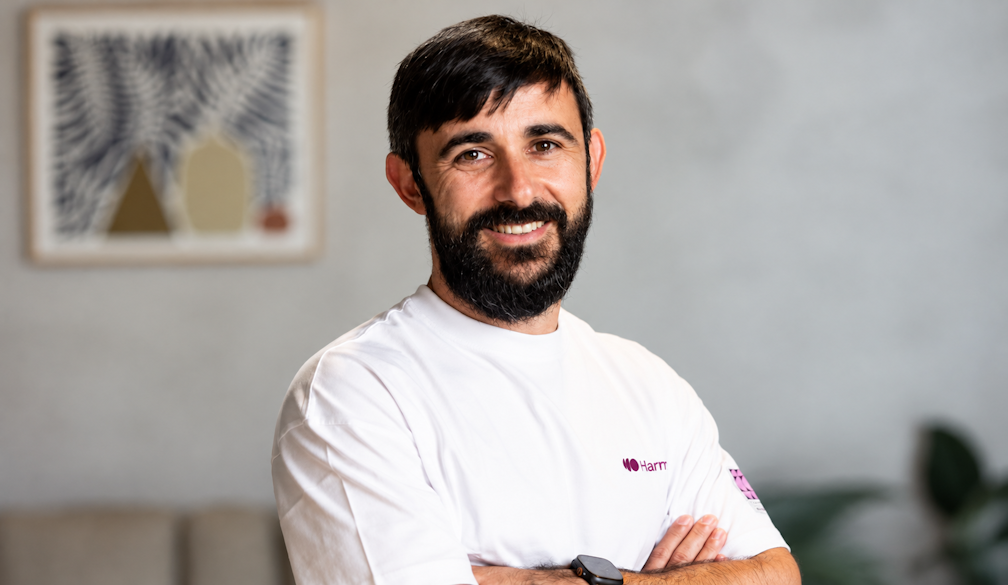
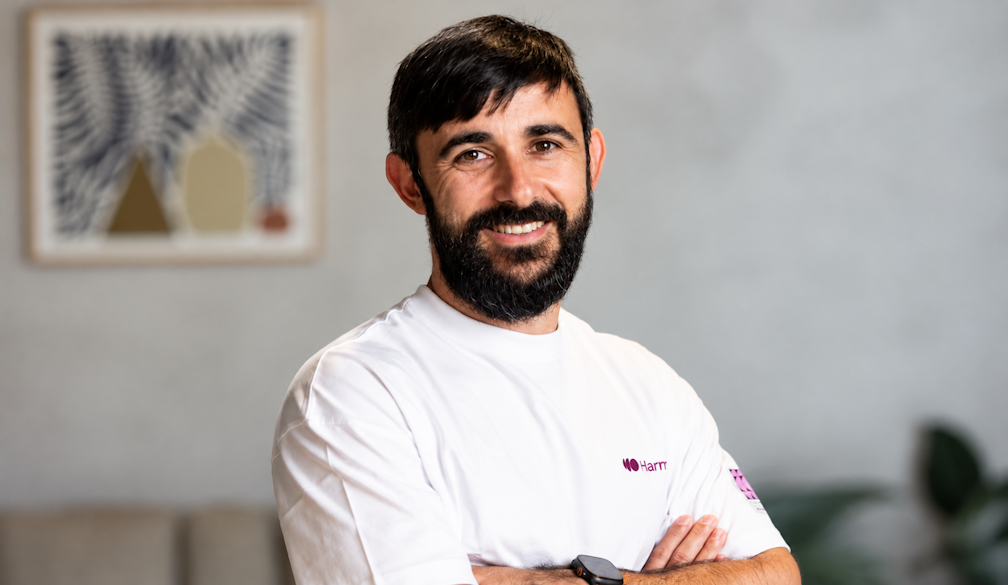
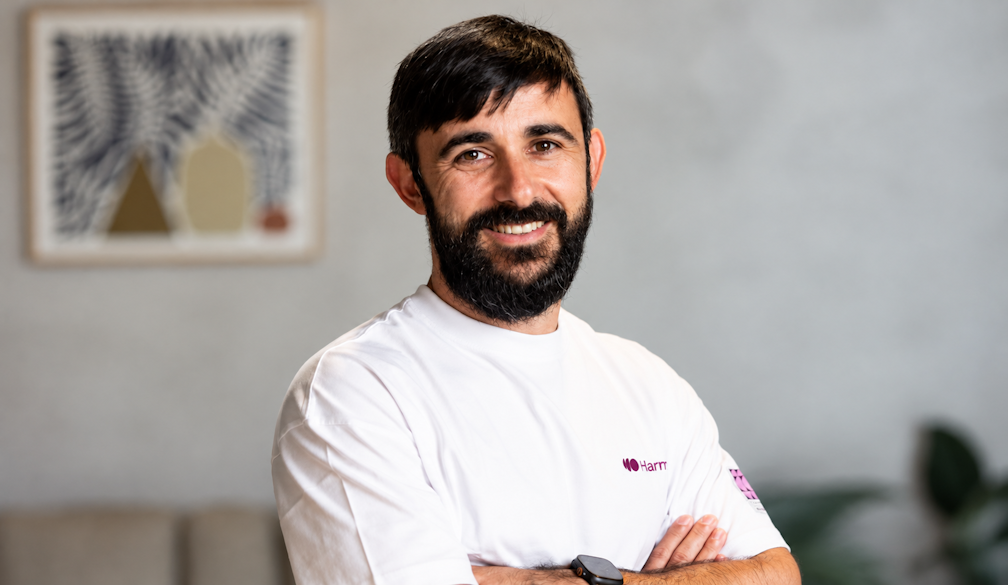
One Australian who knows firsthand the power of taking early action is 65-year-old, Bill Yeates from Manly, New South Wales, who was diagnosed with younger onset Alzheimer’s disease in 2019. The former pharmacist faced a life-altering moment when he was told his symptoms were more than just depression. “With a diagnosis like Alzheimer’s, the impact is devastating,” Bill says. “It’s not just me it affected – it was my whole family. My dreams, my identity, my future – it felt like they were suddenly taken away.”
After a holiday to Japan with friends – a trip Bill thought might be his “last hoorah” – he found renewed motivation to live life with purpose. He developed a unique framework for managing his condition; a visual “Tree of Self,” with each leaf representing a positive daily action contributing to his overall wellbeing. “To rebuild myself, I had to look at my body, mind, heart and soul as one. Nutritious food, exercise, mental stimulation – they’re all leaves on my tree. One of those leaves is Souvenaid.”
Souvenaid® – a medical nutrition drink – has been scientifically formulated to support the growth of brain connections and has been shown to support memory function in people with early Alzheimer’s disease.5-7 It provides a unique combination of DHA and EPA fish oils, B vitamins, antioxidants, choline, uridine monophosphate and phospholipids – at levels difficult to obtain through diet alone.
After it was recommended by his healthcare professional, Bill began incorporating Souvenaid into his daily life and hasn’t looked back. “I did my research and saw the evidence. It helps support my memory function, and I see it as one of those beneficial things I should do every day.”
Bill’s physiotherapist says his holistic approach to nutritious food, exercise and mental stimulation is making a noticeable difference, not just physically – he now runs 5km regularly – but emotionally, too. “I’m not the only one who sees it,” Bill adds. “The people around me – my friends, my family – they’ve all noticed something good is happening. And Souvenaid is part of that picture.”
A peer-reviewed study published in Alzheimer’s & Dementia: The Journal of the Alzheimer’s Association found that Souvenaid, when taken daily over three years, slowed the decline in memory and cognitive function by an average of 60% in people with Mild Cognitive Impairment due to Alzheimer’s disease.2 The study has also shown that Souvenaid is safe and well-tolerated among patients who have taken it.5
“You'll be surprised how easily Souvenaid fits into life,” says Gerald. “Many people include it in their morning ritual; alongside their coffee while reading the newspaper, or mixed into a breakfast smoothie.”
Souvenaid is available in ready-to-drink (Vanilla, Strawberry, Cappuccino) and powder (Lemon & Orange, Vanilla & Banana) formats, and costs no more than a daily cup of coffee*. It can be purchased online or through pharmacies nationwide.
“If you or someone you care about has been diagnosed with MCI, speak to your healthcare professional about Souvenaid,” says Gerald. “When it comes to brain health, acting early matters.”
To learn more, visit www.souvenaid.com.au
Souvenaid is a food for special medical purposes for the dietary management of early Alzheimer’s disease and must be used under medical supervision. Souvenaid does not cure or alleviate Alzheimer’s disease.
Disclaimer: Please be advised this is not intended to replace professional advice. You should not use this information to diagnose a health or medical condition or problem, or alter, commence, or delay any medical treatment. Refer to a health care professional for advice.
REFERENCES
1. Alzheimer’s Association. Alzheimer’s Disease Facts and Figures. Alzheimers Dement 2022;18. alzheimers-facts-and-figures-special-report-2022.pdf [accessed 11 July 2025]
2. Petersen RC, et al. Practice guideline update summary: Mild cognitive impairment. Neurology. 2018. 90, 126–135.
3. Jansen WJ, et al, Amyloid Biomarker Study Group. Prevalence of cerebral amyloid pathology in persons without dementia. A meta-analysis. JAMA. 2015. 313, 1924–1938.
4. Woodward M, et al. Nationally Informed Recommendations on Approaching the Detection, Assessment, and Management of Mild Cognitive Impairment. J Alzheimers Dis. 2022;89(3):803-809.
5. Soininen H, Solomon A, Visser PJ, et al.36-month LipiDiDietmultinutrient clinical trial in prodromal Alzheimer’s disease. Alzheimer’s Dement. 2020;1–12. https://doi.org/10.1002/alz.12172
6. Scheltens P et al. Efficacy of a medical food in mild Alzheimer’s disease: A randomized, controlled trial. Alzheimers Dement 2010; 6(1): 1–10.e1.
7. Scheltens P et al. Efficacy of Souvenaid in mild Alzheimer’s disease: results from a randomized, controlled trial. J Alzheimers Dis 2012; 31(1): 225–36.
* Based on a price range of $3.99–$5.50 per serve, depending on the retailer. Compared to the average price of a regular takeaway coffee in Australia.