Ebola in Africa: How Likely Is It to Reach Australia?
- Written by: The Times
The latest Ebola outbreak in Central Africa has again raised uncomfortable questions for governments around the world: in an era of enormous international travel, can deadly infectious diseases really be contained? And after the trauma of COVID-19, Australians are asking a more personal question — could Ebola ever become a serious threat here?
The World Health Organization has now declared the latest Ebola outbreak in parts of the Democratic Republic of Congo and Uganda a global health emergency, with hundreds of suspected cases and more than 100 deaths linked to the Bundibugyo strain of the virus.
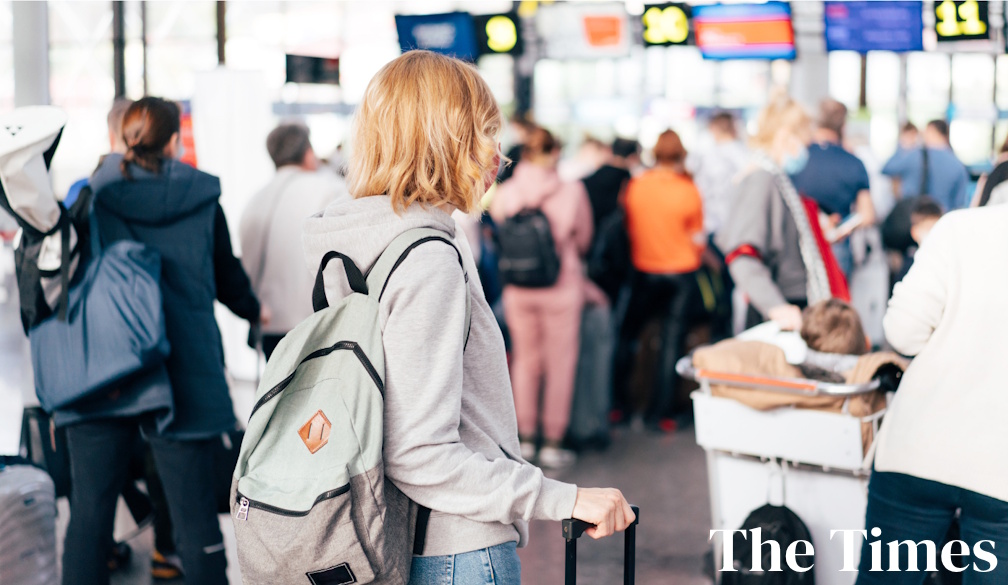
For Australians, the immediate fear is understandable. Australia records massive international arrival numbers every year. Millions of travellers move through Sydney, Melbourne, Brisbane and Perth airports annually. Modern aviation means a person can leave an outbreak region and arrive in Australia within a day.
But health experts stress that Ebola is very different from COVID-19.
Ebola Is Not COVID-19
COVID spread extraordinarily easily because it was airborne and could be transmitted by people who did not even realise they were infected.
Ebola is different.
The virus generally spreads through direct contact with bodily fluids from an infected person who is already visibly unwell. That includes blood, vomit and other fluids. It is not considered an airborne disease in ordinary community settings.
That distinction matters enormously.
A coughing passenger with COVID could unknowingly infect dozens of people in an airport terminal. Ebola transmission is typically far more difficult and usually requires close physical exposure.
That is one reason why experts currently consider the risk to Australia relatively low, despite the seriousness of the African outbreak. Australia’s communicable disease authorities stated this week that no Ebola case has ever been diagnosed in Australia.
Huge Arrival Numbers Still Create Anxiety
Even so, international travel remains the weak point in every biosecurity system.
Australia’s airports are again crowded. Tourism has returned strongly after the pandemic years. International students, business travellers, migrant workers and holidaymakers move continuously between continents.
The sheer scale of passenger movement means Australians are right to question whether a dangerous disease could slip through screening systems.
During COVID, the country learned that even sophisticated health systems can struggle when global movement continues uninterrupted.
Health authorities understand this concern. Governments worldwide are already increasing monitoring measures. The United States has announced enhanced airport screening and traveller monitoring for people arriving from Ebola-affected regions.
Australia is also closely monitoring the outbreak and says border health systems remain active.
Screening on Departure
One of the first lines of defence occurs before travellers even board aircraft.
Countries affected by Ebola outbreaks often implement departure screening procedures. These may include:
- Temperature checks
- Health questionnaires
- Symptom declarations
- Travel history checks
- Medical observation for visibly ill passengers
Airlines themselves also play a role. Crew members are trained to identify visibly sick travellers, particularly on routes linked to outbreak regions.
The challenge is obvious: a traveller in the early incubation phase may not yet show symptoms.
Ebola symptoms can take days to appear after infection.
That creates the same fundamental problem seen during COVID — diseases can travel faster than governments can detect them.
Screening on Arrival
Australia maintains human biosecurity powers under the Biosecurity Act and operates airport screening systems designed to identify infectious disease risks.
Authorities say incoming passengers can be questioned, assessed and medically referred if they appear unwell.
Australia’s biosecurity approach includes:
- Passenger questioning
- Electronic traveller declarations
- Border Force oversight
- Public health referrals
- Detector dogs and baggage screening systems
- Coordination between federal and state health agencies
The Australian National Audit Office previously found that Australia’s international traveller biosecurity management during COVID was “largely effective,” although some governance and coordination weaknesses were identified.
That finding is both reassuring and cautionary.
Australia has systems. But no system is perfect.
Is Australian Airport Biosecurity Adequately Funded?
That is now becoming a political as much as a medical question.
Australians witnessed during COVID how quickly border systems, quarantine facilities and hospitals could come under strain. Critics argued that years of underinvestment left some areas exposed when crisis arrived.
Supporters of current arrangements argue Australia remains one of the world’s strongest biosecurity nations. The country already maintains strict agricultural biosecurity rules and extensive border screening systems.
CSIRO researchers say Australia possesses strong public health and border detection capabilities for diseases like Ebola.
But others argue modern threats are escalating faster than governments are funding preparedness.
Global travel volumes are larger than ever. Emerging diseases continue appearing across Africa and Asia. Population density in major cities is increasing. Meanwhile, health systems are already struggling with staffing shortages and budget pressures.
The real issue may not simply be whether Australia can stop Ebola at the border.
The deeper question is whether Australia is adequately prepared for the next major global health emergency of any kind.
Would Ebola Cripple Australia Like COVID?
Most experts believe Ebola is unlikely to spread through Australia in the same way COVID did.
COVID paralysed nations because it spread invisibly and explosively through ordinary social contact. Ebola’s transmission characteristics are different and generally easier to isolate through hospital containment, contact tracing and protective protocols.
That does not mean Ebola would be harmless.
Even a handful of confirmed cases in Australia would likely trigger enormous public fear, media attention and political pressure.
Airports could face emergency measures. Hospitals would activate isolation procedures. Contact tracing operations would begin immediately. Public confidence could fall sharply.
The economic impact might also exceed the medical impact.
COVID demonstrated that fear itself can disrupt economies. Consumer behaviour changes rapidly when people feel unsafe. Travel, hospitality and retail sectors remain psychologically vulnerable after the pandemic years.
The memory of lockdowns still lingers.
A Nervous World Watches Closely
The current Ebola outbreak is also occurring in a far more fragile global environment than previous outbreaks.
Governments are economically stretched. Public trust in institutions has weakened in many countries. Health systems remain fatigued after COVID. Geopolitical tensions are higher. Global cooperation is less certain.
All of this creates anxiety when a dangerous virus begins spreading internationally.
For now, Australian authorities maintain the risk remains low. But the outbreak is a reminder of an uncomfortable modern reality: Australia may be geographically isolated, but in a hyper-connected world, no nation is truly far away from the next global health scare.