Psychosocial Risk Rules Have Changed: As an Employer, Are You Ready?
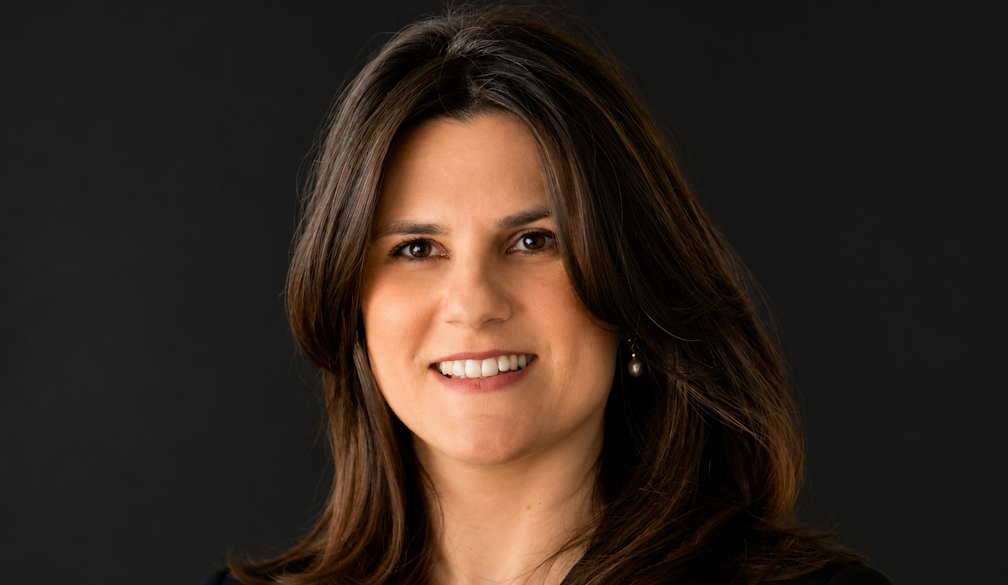
- Written by: Dr Anna Kiaos, organisational culture researcher and psychosocial risk expert
Since 1 July, Australian organisations have faced strengthened expectations around how they manage psychosocial hazards at work. Employers are expected to demonstrate how they identify, assess, control and review these risks, and provide evidence of the action they have taken.
For many organisations, this represents a significant shift. Psychosocial risk has been part of the workplace conversation for some time, but the focus is increasingly moving from recognising that these risks exist to demonstrating how they are being managed in practice.
In my conversations with boards and executives, I have noticed that change quite clearly. The questions are no longer about whether psychosocial risk matters. Organisations want to know what evidence regulators expect to see, whether the systems they currently have in place are sufficient and how they can demonstrate that they are meeting their obligations.
This is particularly timely because one of the tools many Australian employers have relied on is about to disappear. The People at Work survey, a free government-backed psychosocial assessment platform developed by Safe Work Australia and state and territory regulators, will permanently close on 2 October. Around 5,000 organisations and more than 160,000 workers have used the platform since 2020.
For employers that have relied on People at Work, there will naturally be questions about what comes next. However, simply replacing one survey with another risks missing the bigger change taking place.
Psychosocial risk management is not a point-in-time survey exercise. Organisations need to identify psychosocial hazards, assess the risks they create, take steps to control them and review whether those controls are working. They also need to maintain evidence of the decisions and actions they have taken.
One of the difficulties is that organisations can be genuinely committed to supporting their people and still misread what is happening within their workplace.
My recent peer-reviewed research into organisational culture within Service NSW involved eight months of fieldwork and 74 interviews across six organisational levels. It found that organisations can be well-intentioned yet respond to exhaustion, increasing errors and declining morale with engagement and culture initiatives, rather than recognising excessive workload or working conditions as the underlying problem.
This matters because the way a problem is understood determines how an organisation responds. If exhaustion is viewed primarily as a motivation or engagement issue, the response may be another wellbeing or culture initiative. If excessive workload is creating the pressure, the organisation needs to address the workload and working conditions themselves.
The research also reinforced something I have seen repeatedly in organisations: psychosocial pressure does not sit evenly across a workplace. It can accumulate in particular teams, under particular leaders and in the gap between what an organisation says it values and what it actually rewards. An organisation-wide score may not reveal those differences.
It was this gap between measuring employee sentiment and understanding where psychosocial pressure is actually occurring that led me to develop the Culture Pressure Map™. Rather than looking only at an organisation-wide result, it examines shared culture, subcultures and microcultures to identify where pressure is accumulating and help organisations determine where action needs to be prioritised.
To our knowledge, the Culture Pressure Map is currently the only psychosocial risk platform in Australia developed directly from academic research. Its methodology grew out of my research into organisational culture and psychosocial risk, including how cultural pressures can be experienced very differently across teams and levels within the same organisation.
The aim is not simply to produce another survey result. Organisations increasingly need a way to connect what they are seeing in their workplace with the psychosocial hazards they are required to manage, and to build a documented picture of the risks they have identified and the action they have taken.
This is also why psychosocial risk is increasingly becoming a governance issue rather than something that can sit solely within HR. Boards and executives need to understand where risks exist, what is being done to manage them and whether they could demonstrate those actions if asked by a regulator.
With strengthened requirements now in effect and People at Work closing in October, employers have a timely reason to review the systems they currently have in place. For those that have relied on People at Work, choosing an alternative will be part of that process, but the more important question is whether their approach provides the level of insight and evidence now required.
The expectations on employers have changed. The challenge is making sure the way organisations identify and manage psychosocial risk changes with them.
Dr Anna Kiaos is an organisational culture researcher, consultant and Founder and Director of Mind Culture Life Australia. She holds a PhD in Management and qualifications in psychology and is affiliated with UNSW Sydney's Discipline of Psychiatry and Mental Health. Dr Kiaos developed the Culture Pressure Map™, a psychosocial risk diagnostic informed by her research into organisational culture and psychological health. More information is available at culturepressuremap.com.