


Gastric Balloon Surgery: A Minimally Invasive Solution to Weight Loss
- Written by: The Times
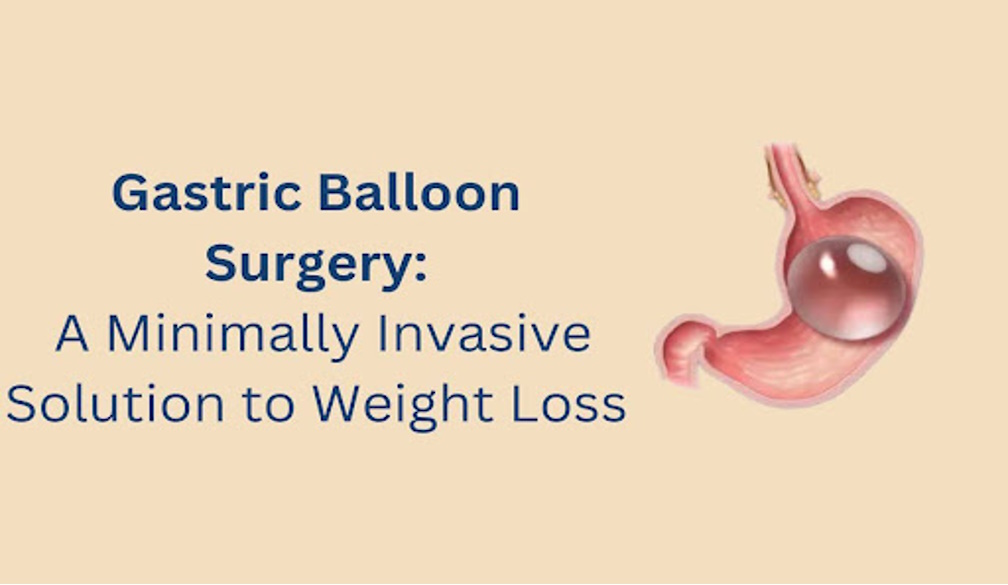
A gastric balloon is a soft silicone device placed in your stomach to reduce its space, helping you feel full with smaller meals.
The balloon can be inserted through your mouth using a thin, flexible tube (endoscope) or there is an option of choosing the swallowable (Elipse) balloon. Once in place, it's filled with saline (saltwater) to take up space in your stomach. This helps you eat less, feel full longer, and reduce hunger between meals.
Who should opt for a Gastric Balloon procedure?
A gastric balloon may be suitable for adults who:
- Have a BMI between 27 and 35, or slightly outside this range in special cases.
- Struggle to lose weight through diet, exercise, and medication.
- Want a less invasive option compared to bariatric surgery.
It can also be helpful if you need to lose weight quickly for a planned surgery (like joint replacement) or to improve fertility.
What Happens During the Gastric Balloon Procedure?
The gastric balloon procedure is a quick, minimally invasive process done at an endoscopy centre. It takes about 15–20 minutes.
- You’ll be sedated if you opt for endoscopic balloon placement or you cna have this done awake using the ellipse swallowable balloon.
- Once balloon position is confirmed a deflated balloon is attached to a catheter and guided into your stomach using the endoscope or under xray
- Once in place, the balloon is filled with saline through the catheter until it’s about the size of a grapefruit.
- The balloon seals itself, and the doctor removes the endoscope and catheter, leaving the balloon in your stomach.
It’s a simple and safe outpatient procedure.
How a Gastric Balloon Works!
The gastric balloon reduces the space in your stomach, so you feel full faster when eating. It also slows how quickly your stomach empties food.
To lose weight, it’s important to follow healthy eating and exercise habits while the balloon is in your stomach and after it’s removed.
Many people also take weight loss medications during and after the balloon placement to help achieve their weight loss goals. These steps work together for the best results.
Recovery from the Gastric Balloon Procedure
You can go home once the same day but if you had sedation then you’ll need someone to drive you.
You can return to all your usual activities, like showering, swimming, and flying, without any restrictions.
Gastric Balloon Side Effects and Risks
You may feel nausea, vomiting, or stomach cramps for a few days after the balloon is placed. Your doctor can prescribe medicine to ease these symptoms, which usually improve in 3 to 5 days. Some people may experience heartburn or acid reflux, but daily antacid medication, like a proton pump inhibitor (PPI), can help. Most people stop noticing the balloon after about a week.
Rare complications include:
- The balloon deflates and blocks the intestines.
- Damage to the stomach or oesophagus during placement.
- Unexpected over-inflation of the balloon, requiring early removal.
Losing Weight with a Gastric Balloon
After getting a gastric balloon, you'll start with a liquid diet for two weeks, then slowly move to regular food. Your healthcare team will guide you on what to eat.
Many patients who undergo gastric balloon surgery in Melbourne also consider additional medical support, such as weight-loss medications or professional diet plans, to enhance their results.
Dietary Guidelines After the Procedure
- Liquid Diet: For the first few days, you'll be on a clear liquid diet, including broth, clear soups, sugar-free gelatin, and clear juices.
- Pureed and Soft Foods: Once you can tolerate liquids, you’ll gradually move to pureed foods (like yoghurt and mashed fruits) and then soft foods.
- Avoid Carbonated and Sugary Drinks: Carbonated drinks can cause discomfort, and sugary drinks may lead to dumping syndrome.
- Portion Control: Eat small meals throughout the day to control hunger and avoid stretching your stomach.
- Protein-Rich Foods: Include lean meats, fish, eggs, dairy, and plant-based proteins to support muscle and keep you full.
- Hydration: Drink plenty of water but avoid liquids with meals to prevent discomfort and help nutrient absorption.
- Fibre: Slowly add fibre-rich foods like fruits, vegetables, and whole grains to prevent constipation.
- Vitamins and Supplements: You may need supplements to avoid deficiencies, based on your healthcare provider’s advice.
- Physical Activity: Exercise regularly as recommended to support weight management and overall health.
- Considering Long-Term Options? If you're looking for a permanent weight loss solution, gastric sleeve surgery Melbourne may be another option to explore.
- Follow-Up Care: Attend follow-up appointments with the Hindivine healthcare team to track your progress and get the necessary support.
Follow-up and Monitoring
Regular follow-up appointments are important after a gastric balloon procedure to track your weight loss, nutrition, and overall health. During these visits, an expert team will adjust your diet, exercise, and medications if needed. They will also help with any side effects or issues and guide you on lifestyle changes like diet and exercise. The team will also plan to remove the balloon safely at the right time. Attending all appointments and sharing any concerns ensures the procedure works well and keeps you safe throughout your weight loss journey.
Common FAQs
Q: Is the procedure painful?
A: The procedure to insert the gastric balloon may cause some discomfort, but anaesthesia is used to reduce pain. Later, any discomfort can usually be managed with medication prescribed by your doctor.
Q: How long does the balloon stay in the stomach?
A: The gastric balloon stays in your stomach for about 4 to 6 months, depending on the type of balloon used.
Q: What happens if the balloon deflates early?
A: If the balloon deflates early, it may not work as well for weight loss. It could also cause discomfort or blockages in your stomach or intestines. You will need medical help to fix the issue.
Q: Can I exercise with the gastric balloon?
A: Yes, you can exercise with the gastric balloon. It helps with weight loss and overall health. Talk to your doctor before starting any exercise routine, and begin with low-impact activities like walking or swimming.
Q: Will my insurance cover the cost of the procedure?
A: Insurance does not cover the gastric balloon procedure at this stage
Q: Are there any dietary restrictions while the balloon is in place?
A: While the balloon is in place, you need to follow specific dietary guidelines. This includes eating smaller meals with healthy foods like fruits, vegetables, lean proteins, and whole grains. Avoid sugary, fatty, and high-calorie foods. Drink plenty of water to stay hydrated.
Q: What happens after the balloon is removed?
A: After the balloon is removed, you’ll gradually get back to eating solid foods. Many people continue to lose weight by maintaining healthy eating habits and exercising regularly.









