The Role of a Family Dentist: Why Every Household Needs One
- Written by: The Times
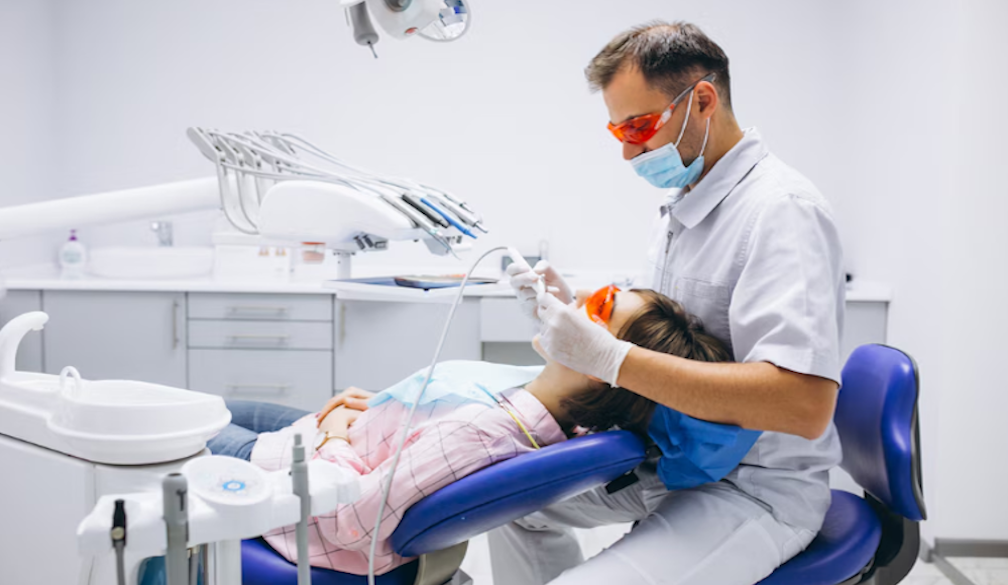
A family dentist isn’t like your regular dentist who may specialise in a particular age group and whom you visit only when something goes wrong. A family dentist takes proactive care of a family's dental hygiene, often spanning generations. Let’s talk about why every family needs one.
Why Do Families Need a Dentist?
We might be generalizing here, but it is rather common to see that most households and individuals wait until there’s a problem before visiting a dentist.
You see, regular visits to the dentist do more than just keep your teeth looking nice; they help maintain oral hygiene. Without proper oral hygiene, an individual cannot achieve overall well-being. A family dentist who has been attending to a family's dental needs for years or even generations understands their patients thoroughly. These doctors are well aware of their clients' eating and hygiene habits and guide them accordingly. Having a trusted family dentist, like the team at Aura Dentists, ensures that every family member receives regular dental care, preventing issues before they snowball into something serious. For families in Melbourne’s eastern suburbs, choosing an experienced dentist in Glen Waverley is also a smart way to access long-term, trusted care close to home.
Personalised Care for Every Stage of Life
Arguably, the biggest advantage of having a family dentist is receiving plenty of individual attention in terms of oral hygiene and appearance. A family dentist can help kids prevent cavities, guide teens and adults on orthodontics, and educate individuals on the benefits of a smile makeover if they feel they need a cosmetic boost. Here are some real-world scenarios to drive the point home:
- Kids, especially with today’s highly processed diets and excessive sugar consumption, are at a higher risk of cavities. A family dentist who takes care of a child’s dental health from infancy to adulthood can actively track hygiene and eating habits to prescribe the right medications or practices.
- If adults aren’t satisfied with how their teeth look, a family dentist can help them decide between cosmetic surgery, braces, or clear aligners.
- A family dentist is invaluable for emergency situations and restorative treatments, such as dealing with gum diseases or tooth restoration.
Cost-Effective and Convenience
Speaking in financial terms, dental issues become more expensive the longer they’re left untreated. That isn’t a rule, but it is usually how things turn out. Routine care from a family dentist is by far the more cost-effective option and better for your overall health, as they can catch issues early on. Australians spend a massive $10 billion annually on dental services, according to the Australian Institute of Health and Welfare (AIHW). The kicker? A major chunk of this money went toward conditions that could’ve been prevented or fixed easily with early detection; something a family dentist does.
Comfort and Trust Through Long Term Dental Care
One of the biggest issues with visiting a new dentist is informing them about your history, opening up to them, and feeling comfortable. A family dentist who has been treating you for years not only understands your needs, but you also feel comfortable sharing details that you might hesitate to discuss with a new doctor. Plus, if you have kids, or even adults in the family, anxiety often becomes a hindrance when visiting the dentist. A family dentist, having built a rapport with you over the years, helps ease this discomfort to a large extent.
Tracking Dental Health Across Generations
This isn’t limited to dentists but extends to doctors across the board and is a major reason why every family should consider a family dentist. The reason is simply genetics. You see, despite being extremely different as individuals, we’re all just products of our genetics to an extent. Our oral health is no exception and is influenced by these genetics. When the same dental team follows your family’s oral health over the years, across generations, they develop an intimate understanding of genetic predispositions and lifestyle factors. This knowledge is extremely difficult for a new doctor to gain, and this long-term perspective allows for earlier detection of potential issues.
Choosing the Right Family Dental Practice
Selecting a family dentist is a massive decision, as it not only involves you but also your family, both present and future. It requires the utmost care and consideration when choosing one. Generally speaking, look for dentists with:
- Experience as a family dentist
- Ability to work with patients of all ages
- Ability to accommodate school and work schedules
- Availability for emergency situations
The ideal family dental practice will combine clinical expertise with a welcoming environment that puts patients of all ages at ease.
Conclusion
There’s no sugarcoating it—no pun intended—having a family dentist is not just a smart investment in your health but also a necessity. Beyond ensuring your smile remains bright, regular dental care has been linked to a reduced risk of systemic conditions, including cardiovascular disease and diabetes. Prioritizing it in your household is a solid strategy for the overall well-being of everyone involved.