


Are Dental Implants Right for You? Here’s What to Think About
- Written by: Hazel Jones
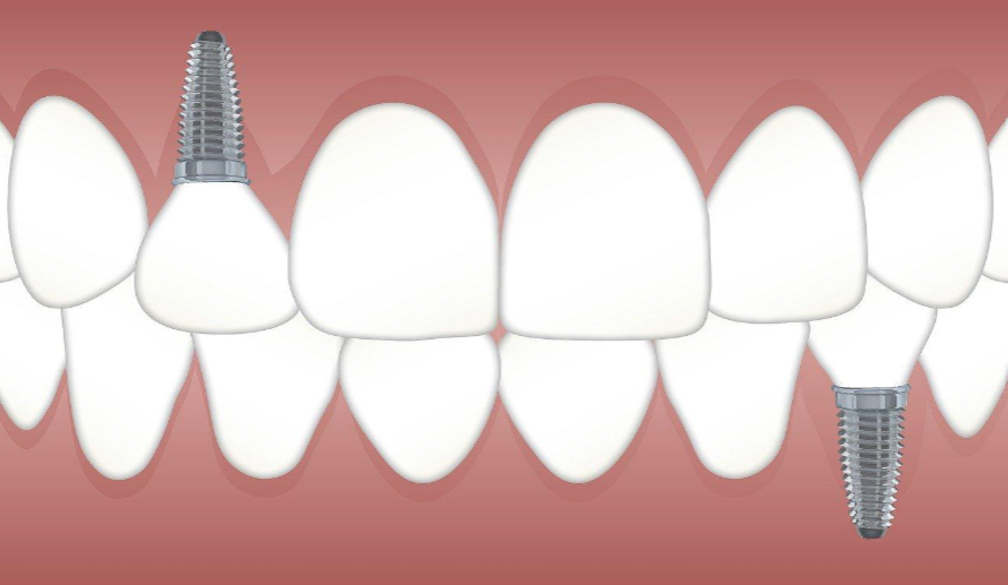
Dental implants are now among the top solutions for those seeking to replace and improve their teeth. But are dental implants suitable for you? Here you will find out more about what dental implants are, what options are available to you, and what to look for to achieve the best outcome.
-
What Are Dental Implants?
A dental implant can be described as a man-made tooth root which is normally of titanium that is fixed on the jaw bones. They give good support for artificial teeth used in crowned, bridged or denture teeth. Dental implants are not like the older style dentures that can be removed that are ill-fitting, uncomfortable and unnatural looking.
These can be divided into the following steps: consultation with the patient, implantation of the screws or cylinder, allowing for the gum to heal and finally fixing of the replacement teeth. All these steps are important to make the implant long-lasting and effective.
-
Are You a Good Candidate for Dental Implants?
Dental Implants are not suitable for everyone. To proceed with the procedure, your dentist will need first to examine your oral condition and general health. Here are some of the main factors to consider:
- Sufficient Bone Density: Dental implants are surgically placed, and this means that the patient has to have sufficient, strong bone in the jaw area. If you have insufficient jawbone density, then you have to go through a bone graft before the surgery.
- Good Oral Health: Before implants, there are generally other conditions such as gum diseases and other oral complications that must be treated.
- Non-Smokers: Current smokers may also have adverse effects on implants since smoking slows the rate of healing and may also lower the chances of success of implants.
- General Health: Some diseases prevent one from undergoing the dental implant procedure; these include uncontrolled diabetes.
If this applies to you then a dental implant may be advisable for you.
-
Benefits of Dental Implants
Dental implants offer several advantages over other tooth replacement options:
- Natural Look and Feel: They are designed to look like real teeth and, in the goal they serve, are an excellent match to naturally growing teeth.
- Durability: If well cared for implants can indeed last for many years, or even a lifetime, it is for this very reason that it is considered a long-term treatment.
- Improved Speech and Comfort: Unlike the dental prosthesis, the implants do not slide or relocate hence no speech impediment and they are comfortably worn.
- Easier Eating: Emergencies such as losing a crown or a filling while on a holiday or away from your dentist are not fun, implants act like natural teeth in that aspect.
- Bone Preservation: Implants act like pillars in the jaw bone ensuring that the jaw does not develop gaps of spaces that are a result of lost teeth.
These advantages make dental implants to be preferred by those people who want to replace missing teeth and have correct occlusion.
-
Enhancing Dental Implants with Bone Grafting
If you were advised earlier that you do not have enough bone to support an implant, don’t panic. One of the ways that people enhance their dental implants is through bone grafting. A procedure of filling loose areas of the jaw area with bone material to provide a desirable environment for implant support.
This process is ideal for those who have suffered bone deterioration owing to gum diseases, injuries, or extended periods of toothlessness. Though they extend the time it would take to perform the implant, it increases the chances of success on the implants in the long run.
-
What to Expect During the Procedure
Getting dental implants involves several stages:
- Initial Consultation: Your dentist will assess your oral health, understand which specific objectives you have in mind and whether you can qualify for implants.
- Implant Placement: It is inserted through surgery into a patient’s jaw, where it is forced to settle on the bone. A temporary crown may be inserted at this time.
- Healing Period: In the next few months the bone integrates with the implant in a process known as osseointegration.
- Abutment and Crown Placement: Once the gum is healed, a metal post (connector) is placed to connect the implant to an abutment, and then a permanent crown or a bridge can be fixed.
The entire period may require several months, but one can obtain a reliable and long-term tooth substitute for missing teeth.
-
Final Thoughts
Dental implants are one of the most effective dental devices which can bring persons with the tooth loss significant changes in the quality of their lives. Almost anyone is suitable to receive dental implants in Ryde but for certainty, it is better to consult with a specialist.
As for people with low bone density problems, add,ing bone grafting to the dental implant can be a big plus as it makes the implant’s support solid. Only when you get the necessary dental assistance you’ll be able to indulge in the advantages of having years of beautiful and functional teeth.
Author Bio: Hi, I am Hazel Jones a writer, and blogger by profession. As I’m a wanderer, I share my experiences through my write-ups in a way that it’s understandable and appealing to the people. I aim to achieve a difference through my writing, which allows my readers to make informed and valuable choices









