Phuket Villa Holidays: How to Choose the Right Stay for Your Trip
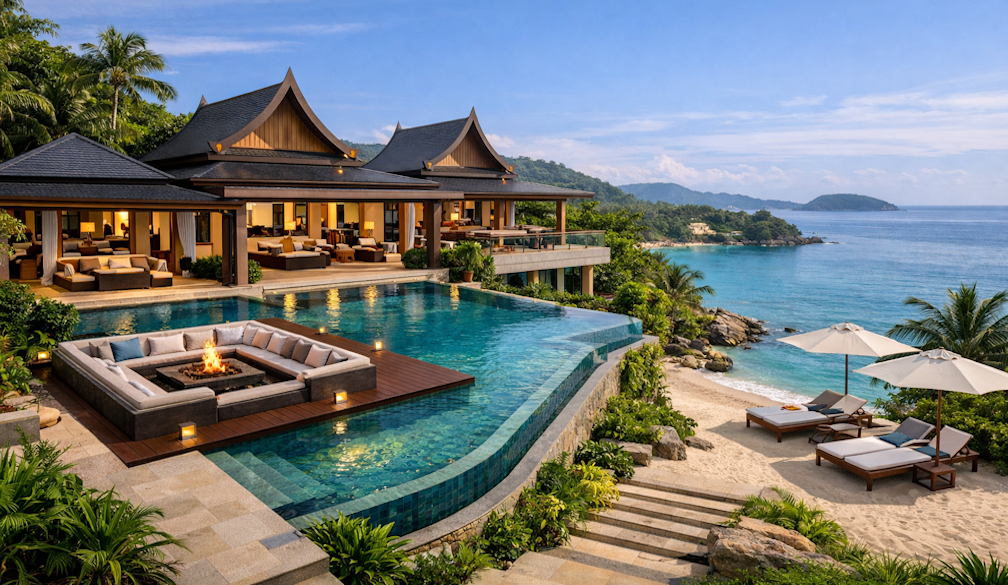
Private villas can be a practical option for Australian travellers heading to Phuket. Compared with hotel rooms, they usually offer more space, separate bedrooms for families or groups, and the freedom to set your own schedule. But planning Phuket villa holidays involves more than browsing photos.
The right stay depends on where you base yourself, which features matter for your group, and how you handle seasons, bookings, and transport.
This guide walks through those decisions in order, so you can match your trip type to the right area and villa, then book with fewer surprises.
Key Takeaways
- Pick your beach by vibe first. Phuket's west coast, east coast, and hillside areas suit different travel styles.
- Check the villa features that matter. Bedrooms, pool safety, staffing, and accessibility vary widely between properties.
- Book around seasons and school holidays. Timing affects weather, crowds, prices, and availability.
- Confirm inclusions and fees in writing. Services such as transfers, chef access, and housekeeping are not standard across all villas.
- Plan transfers and child seats early. Thailand drives on the left, but child restraint availability with private drivers is not guaranteed.
Start with the map: match beaches to your vibe
Phuket is hillier and more spread out than many visitors expect. A villa in the northern hills can be 45 minutes or more from a southern beach, depending on traffic and terrain.
West coast beaches face the Andaman Sea and tend to draw more visitors, while the east coast and cape areas are quieter and more sheltered.
Starting with the area that fits your travel style helps you avoid a mismatch between your villa and the experiences you want nearby.
Quick picks by traveller type
- Families with kids: Bang Tao, Kamala, Kata, or Karon. These areas offer calmer bays, family-friendly dining, and a gentler pace.
- Nightlife and first-timers: Patong. It is central and busy, but expect noise, especially after dark.
- Romance and wellness: Nai Harn, Rawai, Layan, or Surin. These areas suit quieter stays, hillside views, and slower days.
- Seclusion: Cape Yamu, Cape Panwa, or the Layan hills. Expect more privacy, long views, and extra distance from crowds.
Villa features that actually matter
Photos can make most properties look appealing. Before you commit, ask about the details that shape day-to-day comfort.
- Bedrooms and bathrooms: Check whether beds can be configured as twins for children and whether bedrooms have ensuites for group privacy.
- Pool: Ask about depth, ledges, fencing, and any other safety features. If you are travelling with young children, raise this directly with the property manager.
- Kitchen and dining: Some villas offer a chef on request; others provide a full kitchen for self-catering. Clarify which applies.
- Housekeeping: Frequency varies. Daily service is common in some price brackets but not all.
- Concierge, spa, and drivers: These are often optional add-ons. Do not assume they are included in the nightly rate.
- Accessibility: Many hillside villas involve steep driveways or multiple staircases. Ask before booking if mobility is a concern.
- Practical details: Air conditioning in common areas, backup power, and reliable Wi-Fi are worth confirming, especially if you plan to work remotely.
The general rule is simple: if a feature matters to your trip, ask for specifics rather than assuming it is included.
Seasons and timing
Phuket's weather is shaped by monsoon seasonality. The drier period, usually linked with the northeast monsoon, brings more settled conditions and is considered peak tourism season.
The southwest monsoon brings wetter weather and more variable seas, though it also means fewer crowds and what is often called the green season. Shoulder periods between these seasons can offer a useful middle ground.
Australian school holidays, especially over December and January, overlap with Phuket's busiest weeks. Mid-year breaks can also drive demand. If your dates coincide with regional events such as Songkran, Thai New Year, customarily observed in mid-April, expect higher occupancy.
Check current seasonal forecasts and event dates before locking in your trip, as conditions and exact timing can shift year to year.
Booking smart: contracts, inclusions, and where to get help
Lead times matter. For peak periods, including December, January, and Australian mid-year school holidays, booking several months ahead is practical. Green-season dates tend to offer more flexibility.
Before paying a deposit, read the contract carefully. Look for cancellation windows, payment schedules, and what happens if your plans change. Travel insurance that covers cancellation and medical costs is worth arranging early.
If you want to compare options by beach area and amenities, a specialist Phuket villa rental resource can help you shortlist properties. From there, confirm what is included, such as airport transfers, chef service, breakfast, and child cots, plus any add-on costs such as concierge or driver hire.
Always get inclusions, fees, and cancellation policies confirmed in writing before paying a deposit.
Getting around: transfers, drivers, and car hire
Phuket International Airport (HKT) is the arrival point for most visitors. Pre-booked airport transfers, arranged through your villa provider or a separate operator, are the most common way to reach your accommodation. Some villa providers list transfers as an optional service, so confirm availability and cost in advance.
For day-to-day travel, a private driver is convenient, particularly for multi-stop days or hillside routes with narrow roads. Thailand drives on the left-hand side, which is familiar for Australians, but road conditions and local driving habits differ. If you are considering car hire, check the latest documentation requirements and road rules through Smartraveller before you go.
For side-trip planning, this nearby island escape offers island context that can help you think through transfer time and sea conditions.
Families should note that child restraint requirements exist in Thailand, but availability in private vehicles varies. Request appropriate child seats in advance and confirm the details with your driver or transfer provider.
For broader travel planning tips, the Smartraveller Thailand advisory from the Australian Government is a useful starting point.
Three quick example stays
-
7-night multi-generation family trip, Kamala or Bang Tao: Mix beach days with a carefully researched ethical elephant sanctuary, and add a boat day to Phang Nga Bay if the weather is calm.
-
5-night friends' foodie trip, Surin or Layan hills: Plan evenings in Cherngtalay, a half-day Thai cooking class, and time by the villa pool between meals.
-
4-night couples' reset, Nai Harn or Rawai: Try a sunrise walk, an in-villa massage if available through your property, and one island-hopping day if seas permit.
FAQs
When is the best time for a Phuket villa stay?
The drier months typically offer the most settled weather and calmest seas, but shoulder and green seasons can mean fewer crowds. Check current seasonal forecasts before booking, as exact timing varies year to year.
Are Phuket villas child-friendly?
Many are, but suitability varies. Ask about pool depth and safety features, bedroom layouts for children, and whether cots or highchairs are available. Do not assume these are standard.
Do I need a car in Phuket?
Often not. Pre-booked transfers and private drivers can handle most transport needs comfortably. Parking and hilly roads can make self-driving less convenient, especially for short stays.
How far ahead should I book?
For peak dates, including December, January, and mid-year holidays, book as early as practical. Shoulder and green-season dates typically offer more last-minute flexibility.
What is usually included in a villa rental?
Inclusions vary. Housekeeping frequency, breakfast, chef service, transfers, and local taxes may or may not be part of the rate. Always confirm the full list of inclusions and any additional fees in writing before you pay.