


The Silent Way Weeds and Shrubs Damage Public Spaces
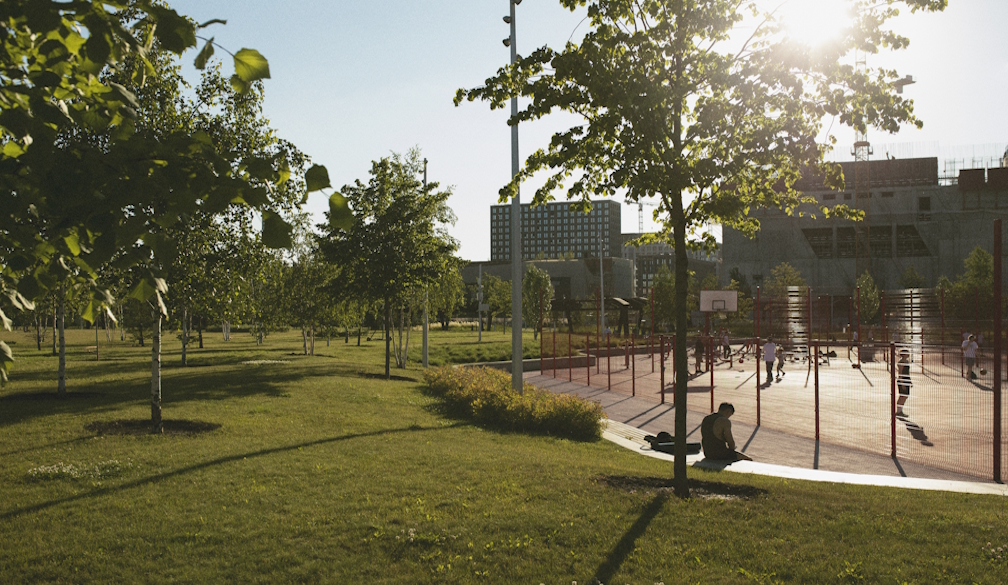
At first glance, a patch of overgrown grass or a cluster of shrubs creeping into a walkway may not seem like a big deal. But left unchecked, this quiet takeover of green growth can create a surprising number of problems in our towns and cities. Managing public spaces isn’t just about aesthetics — it’s about safety, accessibility, and community pride. This is where vegetation removal becomes essential, keeping greenery in balance so it doesn’t disrupt the way people live and move through their neighbourhoods.
Hidden Hazards in Everyday Spaces
Weeds and shrubs may seem harmless, but their slow spread often creates risks that aren’t immediately obvious. Overgrowth can:
- Block pathways and signage, making it harder for pedestrians, cyclists, or drivers to navigate safely.
- Damage infrastructure, as roots and stems crack pavements, invade drains, or press against fences.
- Limit accessibility, especially for prams, wheelchairs, or mobility scooters, creating barriers in what should be inclusive public areas.
- Harbour pests and allergens, from mosquitoes in stagnant growth to pollen-heavy weeds that worsen seasonal allergies.
These small disruptions add up, turning once well-kept spaces into areas people avoid rather than enjoy.
The Cost of Ignoring Overgrowth
One of the most silent but costly impacts of unchecked weeds and shrubs is the toll they take on budgets. Local councils and property managers often spend far more repairing cracked sidewalks or damaged pipes than they would on simple maintenance. Beyond financial costs, neglected spaces can erode community trust. When parks, streets, or shared spaces look abandoned, people may feel less safe and less connected to their surroundings.
Practical Solutions That Work
The good news is that keeping greenery under control doesn’t always require massive resources. Practical, consistent measures make the biggest difference:
- Routine inspections to identify problem areas before they escalate.
- Seasonal clean-ups that clear weeds and trim shrubs after periods of fast growth.
- Community involvement, such as local volunteer days, which not only maintain spaces but also build pride in neighbourhoods.
- Professional services for high-risk areas like busy roadsides, where safety and expertise matter most.
These approaches prevent the silent creep of overgrowth from turning into costly chaos.
Protecting the Balance Between Nature and People
Public spaces thrive when nature and people coexist harmoniously. Greenery softens the concrete edges of urban life, but without management, it can quietly undermine the very spaces designed for community use. By addressing weeds and shrubs before they spiral out of control, we protect accessibility, reduce safety hazards, and ensure public areas remain inviting for everyone.
A little care today saves a lot of disruption tomorrow — and keeps our shared spaces both beautiful and functional.










