Mastercard unveils Inclusion Hub and innovative inclusivity measures co-designed with autistic Australians
Sensory Notes debuts at the Australian Open and The Mulberry Group, with a new digital Inclusion Hub launching soon
One in 40 Australians are autistici, yet many everyday spaces aren't designed with their needs in mind. Sensory overload, unpredictable environments, and lack of clarity can make routine activities inaccessible, limiting where autistic Australians and their caregivers feel comfortable participating in community.
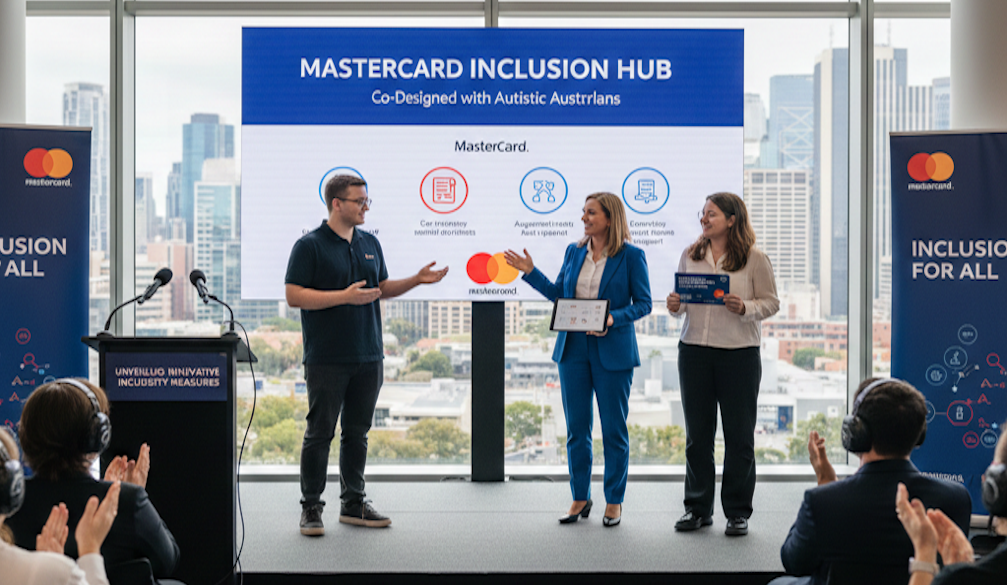
That’s why Mastercard today
Once live, businesses will be able to register on the Inclusion Hub to explore practical measures such as quiet hours, adjusted lighting and sound, and staff training programs. The platform also enables venues to build customised action plans with step-by-step guidance to embed these practices into daily operations, track progress, and demonstrate their commitment to inclusion.
Mastercard co-designed the Inclusion Hub with Autism CRC, Australia's independent national source of evidence for best practice. Autism CRC works directly with autistic people, families, and professionals to develop practical tools and improve equity and opportunity to support across every stage of life.
Piloting dining innovation
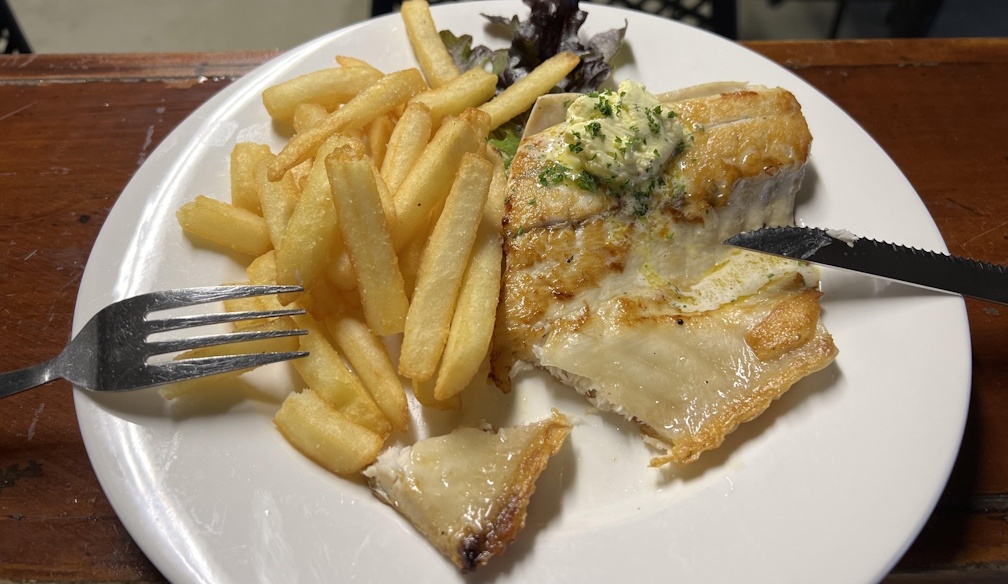
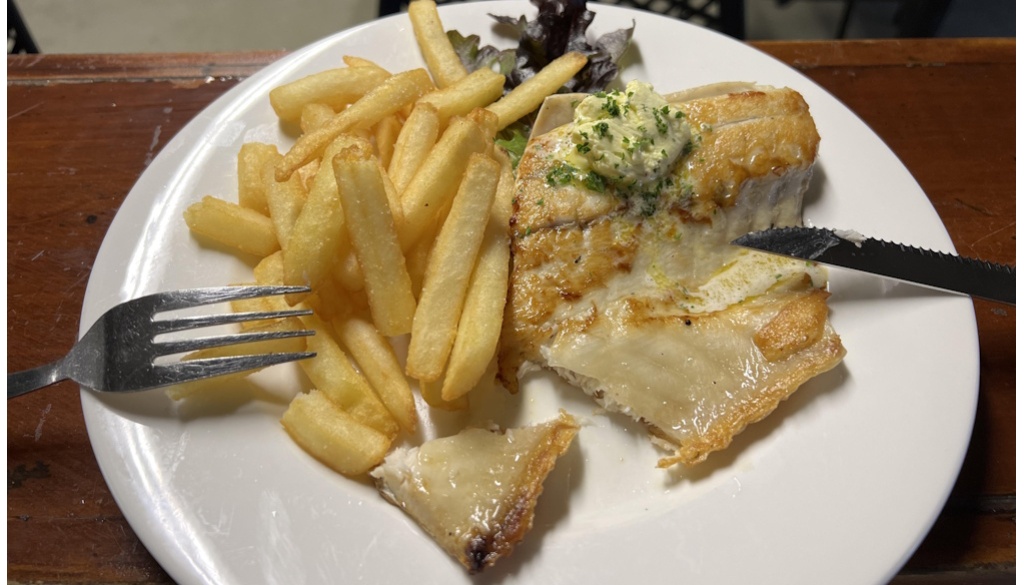
As part of the initiative’s launch, Mastercard is piloting Sensory Notes, a new kind of restaurant menu designed to describe dishes in sensory detail, giving autistic people and those with sensory sensitivities
Unlike traditional menus that simply list a dish and its ingredients, Sensory Notes unpack the appearance, preparation, arrangement, and taste - useful details that can help autistic people and those with sensory differences understand more about the components of a dish. The framework also outlines tiered ways hospitality venues can integrate and operationalise Sensory Notes based on their size and offering. 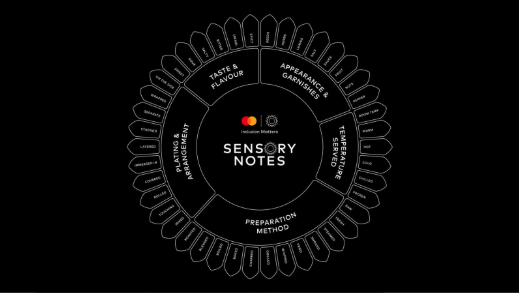
Sensory Notes will be piloted at the Australian Open’s Wonderpies and Peach Melbourne venues, as well as The Mulberry Group’s Hazel Melbourne.
Kerry Tavrou, Head of Inclusion & Diversity at Tennis Australia, said: “We’re committed to making the Australian Open the benchmark of sporting inclusivity. By featuring Sensory Notes on our Accessible page, introducing QR signage at Wonderpies and Peach Melbourne, and promoting them within the BallPark sensory room, we’re giving neurodiverse fans the tools they need to feel informed and supported throughout their AO experience.”
To ensure Sensory Notes feels integrated into the dining experience, an icon has been created to sit alongside existing dietary symbols like Gluten Free, Vegan, and Pescatarian, providing a subtle signal that additional information about that dish is available.
Guided by its mission to create a digital economy where everyone can participate, Mastercard identified dining as a meaningful opportunity to drive practical change. Inclusion Matters has been developed to demonstrate the empathy and understanding essential to building welcoming environments for all.
Julie Nestor, Executive Vice President, Marketing and Communications, Asia Pacific, Mastercard said: “As a global leader in digital-first innovation and inclusion by design, Mastercard set out to introduce practices that go beyond what's already available. Through the Inclusion Matters initiative, we're making it easier for businesses to build environments where everyone feels considered and welcome. We look forward to refining the hub with ongoing feedback, because a world designed for everyone is priceless."
Crafting Sensory Notes
Working alongside leading chefs and autistic Australians, Mastercard defined how this could work operationally and create meaningful impact. Based on this work, Mastercard created a tool to help businesses craft their very-own Sensory Notes, which will be widely available to restaurants when the Inclusion Hub launches.
MasterChef Australia judge and leading culinary chef, Jean-Christophe Novelli contributed to the framework’s development: “Through my experiences dining out with my son Valentino, I've come to understand just how complex and overwhelming restaurant experiences can be for autistic individuals and their caregivers. Dining should be a moment of joy, comfort, and connection, yet uncertainty around food often creates unnecessary barriers. Sensory Notes offers clarity and confidence so everyone can enjoy what should be a simple pleasure of sharing a meal together."
Dr Olivia Gatfield, Autism CRC’s Research and Community Engagement Manager, said: “Our role is to listen to and learn from the autistic community, working together through research and co-design. We have focused on what truly matters to them and hope these new innovations are beneficial and can continue to be refined with community feedback.”
As the initiative scales, participating businesses will be made discoverable through a consumer directory, making it easier for families to find welcoming venues in their area.
Australian businesses are encouraged to preview the Inclusion Hub and explore how it can support them here.