Advantages of Ceramic PCBs and Flexible Circuits
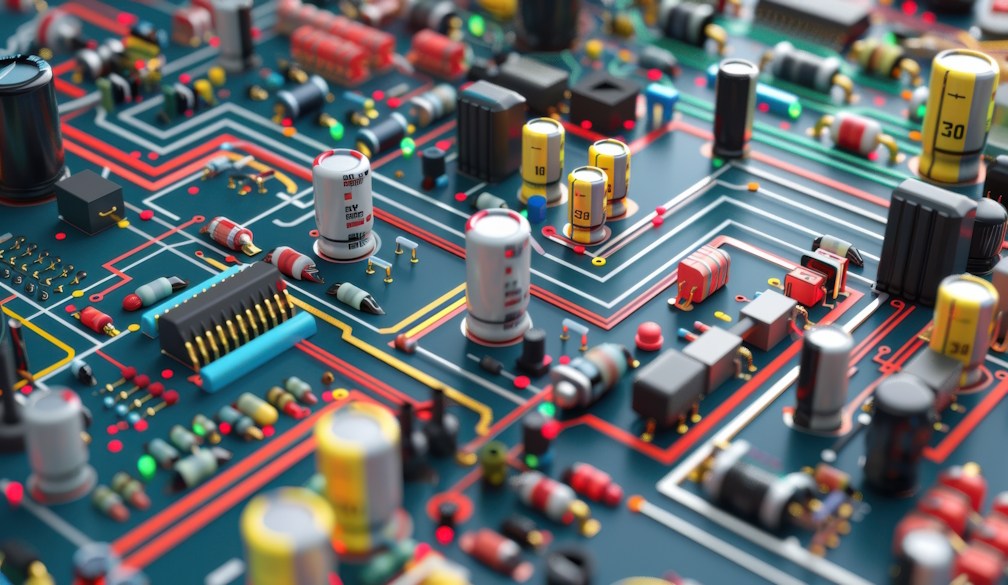
As the electronics industry continues to evolve, engineers are constantly seeking materials that can deliver both performance and adaptability. Two technologies that have gained significant traction in recent years are ceramic pcb and flexible circuits. Each serves a distinct purpose, but together, they define the future of high-performance and space-efficient electronics.
From aerospace modules that endure extreme temperatures to consumer wearables that demand sleek flexibility, these two innovations enable design possibilities that traditional FR4 boards simply cannot match.
What Makes Ceramic PCBs Unique?
Ceramic PCBs stand apart because of their exceptional ability to handle heat, power, and frequency. Instead of using a glass-reinforced epoxy like FR4, these boards employ ceramic materials such as alumina (Al₂O₃), aluminum nitride (AlN), or beryllium oxide (BeO). These materials combine mechanical strength with superior electrical insulation and high thermal conductivity.
Key Benefits of Ceramic PCBs
-
Excellent Thermal Management:
Ceramic boards dissipate heat far more efficiently than traditional materials, making them ideal for high-power LEDs, RF amplifiers, and automotive modules where heat buildup could otherwise degrade performance. -
Superior Dielectric Strength:
The dielectric constant of ceramic substrates remains stable across wide temperature and frequency ranges, ensuring consistent signal integrity in high-speed and microwave applications. -
Dimensional and Chemical Stability:
Ceramic materials resist warping, moisture absorption, and chemical corrosion. This makes them reliable in aerospace, military, and industrial environments where long-term durability is critical. -
High Power Density and Miniaturization:
Because ceramic substrates can handle more power in a smaller area, they allow engineers to design compact yet robust systems.
These characteristics explain why ceramic pcb technology is frequently used in defense electronics, laser systems, automotive lighting, and 5G base stations—anywhere heat and frequency performance cannot be compromised.
Flexible Circuits: Redefining Design Freedom
While ceramic PCBs excel in heat and power management, flexible circuits solve an entirely different design challenge — the need for mechanical adaptability. Constructed from thin layers of polyimide or polyester film, flexible PCBs can bend, twist, and fold without sacrificing performance.
This adaptability enables engineers to design products that are lighter, thinner, and more reliable. Flexible circuits have become essential in modern electronics where space constraints and ergonomic form factors drive innovation.
Key Advantages of Flexible Circuits
-
Compact and Lightweight:
By replacing traditional wire harnesses and connectors, flex circuits reduce both weight and bulk, perfect for wearable devices and foldable electronics. -
Enhanced Durability:
Fewer solder joints and connectors mean fewer potential failure points, improving mechanical reliability under vibration or movement. -
Three-Dimensional Integration:
Designers can route circuits around corners, through hinges, and across uneven surfaces, allowing creative freedom in device architecture. -
Simplified Assembly and Cost Efficiency:
Fewer interconnects and streamlined assembly processes mean lower manufacturing costs and improved production yield.
Common Applications
Flexible circuits are found in:
-
Foldable smartphones and tablets
-
Smartwatches and health wearables
-
Automotive infotainment systems
-
Medical diagnostic sensors
-
Aerospace navigation panels
These circuits are particularly valuable where space, motion, or weight limitations rule out rigid PCBs.
Hybrid Designs: The Power of Combining Ceramic and Flex
As product requirements become more complex, many engineers now integrate both ceramic and flexible technologies into a single hybrid system. These assemblies combine the thermal conductivity of ceramics with the mechanical flexibility of polyimide to create compact, high-performance solutions.
For instance, a power amplifier module might use a ceramic base for heat dissipation and a flexible tail for connection to the mainboard. This configuration reduces assembly space while maintaining robust electrical and thermal performance.
Benefits of Hybrid Integration:
-
Optimized power and signal distribution
-
Reduced need for bulky connectors
-
Improved vibration resistance
-
Extended product lifespan in harsh conditions
Such designs are increasingly used in electric vehicles, satellites, and high-end consumer devices—applications that demand both reliability and adaptability.
Manufacturing Challenges and Innovations
While both ceramic and flexible PCBs offer remarkable advantages, they also come with unique manufacturing challenges.
For Ceramic PCBs:
-
Achieving precise laser drilling and metallization on hard substrates requires advanced equipment and expertise.
-
Thermal expansion mismatches between components and substrates must be carefully managed to prevent cracking.
-
Surface finish choices (e.g., ENIG, Ag, or OSP) directly affect solderability and performance under thermal cycling.
For Flexible Circuits:
-
Handling and alignment during production demand extreme precision, as films can easily stretch or deform.
-
Maintaining signal integrity in high-speed flex circuits requires strict impedance control and specialized adhesives.
-
Material selection (adhesiveless copper, polyimide thickness) influences both flexibility and current capacity.
Recent innovations like additive manufacturing, laser direct structuring (LDS), and embedded component integration are helping overcome these limitations—enabling more complex, multi-layer flexible and ceramic PCB designs.
The Future of PCB Materials
As devices continue to miniaturize and power density increases, the demand for advanced PCB materials will grow. Ceramic and flexible circuits are at the forefront of this evolution, offering complementary benefits that support emerging technologies such as:
-
Electric and autonomous vehicles
-
5G and millimeter-wave communications
-
Internet of Things (IoT) edge devices
-
Smart healthcare and implantable electronics
-
Aerospace control systems
Future materials may combine graphene-based conductors with flexible ceramic composites, offering unprecedented heat resistance and mechanical strength in ultra-thin formats.
Conclusion
In today’s competitive electronics landscape, engineers must balance performance, reliability, and form factor in every design. Ceramic PCBs provide unmatched thermal and electrical performance for demanding, high-power applications, while flexible circuits deliver design versatility and weight reduction for compact devices.
Together, these technologies form the backbone of next-generation electronics — from aerospace to automotive, from consumer wearables to medical innovations.
Whether you need the heat resistance of a ceramic pcb or the adaptability of flexible circuits, selecting the right material combination is key to unlocking new design possibilities and achieving long-term reliability in your products.